How to Prune Redpurple beebalm?
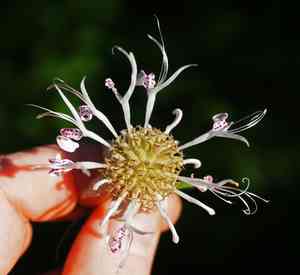
Monarda didyma, recognized for its vivid, pollinator-attracting blossoms, thrives with trimming in early spring or late winter. Initiate by excising deceased or compromised stalks to foster robust development. Reduce density in congested sections to enhance airflow, thereby diminishing the likelihood of illness. Cut back faded blooms to stimulate subsequent flowering and preserve a neat look. Consistent trimming of Monarda didyma bolsters its structural soundness and vitality, guaranteeing abundant flowering across the cultivation period.
What Are the Benefits of Pruning Redpurple Beebalm?
What Are the Benefits of Pruning Redpurple Beebalm?
Trimming redpurple beebalm encourages robust development, maintains its form, boosts flowering, and enhances air movement, thereby decreasing vulnerability to pests and illnesses. Regular trimming aids in managing plant size, ensuring a healthier and more visually appealing garden display.
What Is the Best Time for Pruning Redpurple Beebalm?
What Is the Best Time for Pruning Redpurple Beebalm?
Late winter and early spring are optimal for pruning redpurple beebalm as this period coincides with the plant's dormant state, minimizing stress and fostering healthy regrowth. Pruning at these times allows the plant to direct energy towards new growth as temperatures rise, resulting in a more vigorous and well-structured appearance. Additionally, pruning before the growing season encourages better blooming, as redpurple beebalm will have time to develop new flower buds.
What Tools Do I Need to Prune Redpurple Beebalm?
Bypass pruners
Perfect for precise cuts on live stems and branches of redpurple beebalm. Bypass pruners enable accurate trimming, minimizing plant damage.
Hedge shears
Useful for trimming larger sections of redpurple beebalm and maintaining the plant's shape. Hedge shears can handle medium-sized stems that might be too tough for ordinary scissors.
Hand pruners
Most suitable for deadheading spent redpurple beebalm flowers, promoting more blooms and a neater look.
Gloves
Protect hands from potential scrapes and skin irritation when handling redpurple beebalm. Gardens can contain thorns, insects, or rough stems that might cause discomfort.
Sanitizing alcohol
Used to clean tools before and after pruning redpurple beebalm to prevent the spread of diseases or pests between plants.
How to Prune Redpurple Beebalm
Identify
Locate and pinpoint diseased or withered leaves on redpurple beebalm. Thoroughly inspect all parts of the plant to ensure a complete check.
Tool sanitize
Disinfect your pruning tools with rubbing alcohol or a bleach solution to prevent disease transmission from leaf to leaf or plant to plant.
Trim diseased
Using sharp, clean scissors or pruning shears, cut the diseased leaves at their base where they meet healthy stems. Avoid tearing or rough cuts.
Trim withered
Remove withered leaves back to a healthy point just above a node or a cluster of healthy leaves. Ensure the entire withered portion is removed to encourage healthy growth.
Dispose
Properly discard the removed leaves away from the plant bed to prevent potential disease spread. Bag them and dispose of them in the trash or a separate composting area for diseased plant material.
Common Pruning Mistakes with Redpurple Beebalm
Improper Technique
Using dull or unclean pruning shears can result in jagged cuts, which may lead to infection and poor healing. Ensuring tools are sharp and clean is crucial.
Over-pruning
Removing too much foliage at once can stress the plant and reduce its ability to photosynthesize effectively, leading to stunted growth or poor flowering.
Pruning at Incorrect Heights
Cutting stems too low can harm the plant's basal growth, while cutting too high can result in a leggy appearance and fewer blooms.
Common Pruning Tips for Redpurple Beebalm
Clean Tools
Always use sharp, sterilized pruning shears to make clean cuts, which promote faster healing and reduce the risk of disease.
Identify Healthy Growth
Focus on removing dead, diseased, or damaged stems first, then thin out crowded areas to improve air circulation and light penetration.
Strategic Pruning Amount
Avoid cutting more than one-third of the plant at any single time to minimize stress and ensure a good balance between old and new growth.
Cutting Angles
Make cuts at a slight angle just above a leaf node to encourage healthy new shoots and prevent water from sitting on cut surfaces, which can lead to rot.



