How to Prune Scarlet beebalm?
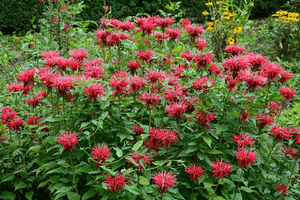
A lively herbaceous perennial renowned for its tubular crimson blossoms, scarlet beebalm flourishes with yearly trimming. Reduce the plant to 6 inches in early spring to foster robust development. Remove faded flowers to stimulate additional blooming. After flowering, eliminate one-third of the stalks for rejuvenation. Refrain from pruning in late autumn to avert frost harm. Trimming improves air movement, lessening the chance of powdery mildew, and guarantees abundant, extended flowering seasons.
Advantages of Trimming Scarlet Beebalm
What Are the Benefits of Pruning Scarlet Beebalm?
Trimming scarlet beebalm promotes abundant blooming, stimulates vigorous development, and maintains a desired shape. Consistent cutting can prevent overcrowding, ensuring sufficient air circulation to deter pests and illnesses.
Optimal Period for Pruning Scarlet Beebalm
What Is the Best Time for Pruning Scarlet Beebalm?
In early spring, prior to scarlet beebalm's active growth phase, pruning encourages more robust and healthier new growth, shaping the plant and eliminating any winter damage. During this period, cutting back dead sections of the plant prevents disease onset and allows for more vigorous development throughout the growing season. Late fall, post-flowering, is also beneficial for pruning scarlet beebalm as it aids in managing plant size, enhancing air circulation, and reducing the risk of fungal diseases that thrive in denser foliage. Pruning in late fall also prepares scarlet beebalm for dormancy by removing spent blooms and potentially diseased or pest-ridden foliage, which can also improve the plant's overall health and aesthetic appeal.
Tools Required for Pruning Scarlet Beebalm
Hand Pruners
For scarlet beebalm, hand pruners are perfect for making precise cuts on stems and small branches. This tool offers accuracy, which is crucial for maintaining scarlet beebalm's form and removing only necessary parts without harming the plant.
Bypass Pruners
Bypass pruners are most effective for live plant material, such as the fresh growth of scarlet beebalm. Their design, featuring a curved cutting blade that glides past a wider lower blade, results in cleaner cuts and less plant injury.
Pruning Shears
Pruning shears are suitable for trimming scarlet beebalm's soft stems and foliage. The tool's scissor-like action and sharp blades allow for easy shaping of the plant and deadheading of old flowers to encourage more blooms.
Snips
For more delicate tasks, such as deadheading or precisely snipping specific sections of scarlet beebalm's tender stems and leaves, snips with a fine tip are recommended. They provide greater control and can access tighter areas within the foliage without harming adjacent stems.
How to Prune Scarlet Beebalm
Step1: Timing for Pruning
Await the appropriate timing, typically late summer or early fall after scarlet beebalm has finished blooming, or in early spring before new growth commences.
Step2: Prepare Pruning Tools
Ready clean, sharp pruning shears to prevent disease spread and ensure clean cuts, which are vital for scarlet beebalm's health.
Step3: Identify Dead Flowers
Locate dead flowers on scarlet beebalm, identifiable by their brown, withered appearance and absence of petals.
Step4: Prune Spent Flower Stalks
Cut the spent flower stalks of scarlet beebalm down to the base of the flower stem, or to the next healthy leaf set, encouraging the plant to direct energy towards new growth.
Step5: Remove Diseased Stems
Inspect scarlet beebalm for diseased stems, which may appear discolored, wilted, or show visible signs of fungal infection like mildew or rust. Cut these back to healthy tissue, ensuring the entire affected area is removed.
Step6: Cut Back Spent Stalks
Remove all spent stalks of scarlet beebalm that have completed their seasonal growth cycle by cutting them to ground level or to the nearest healthy leaf set. This prevents self-seeding if desired and promotes a neater plant appearance.
Step7: Shape the Plant
Shape scarlet beebalm if needed by reducing its height or trimming any irregular growth to maintain an appealing form. However, do so sparingly as scarlet beebalm blooms on new wood, and excessive pruning can reduce flowering.
Step8: Cleanup Pruning Debris
Clear all trimmings from around scarlet beebalm to prevent disease and deter pests from nesting in the debris.
Step9: Post-pruning Plant Care
Water and mulch around scarlet beebalm after pruning to aid plant recovery and foster strong new growth.
Step10: Ongoing Health Monitoring
Observe scarlet beebalm for new signs of disease or dead material throughout the growing season and prune as necessary to maintain plant health and vigor.
Post-Pruning Care for Scarlet Beebalm
Post-Pruning Care for Scarlet Beebalm
After pruning, scarlet beebalm needs sufficient watering to prevent stress, ensuring the soil is moist but not waterlogged. Position scarlet beebalm in a spot with partial to full sun exposure, maintaining moderate humidity and avoiding extreme temperature shifts. Apply a balanced fertilizer to encourage growth and blooming. Watch for wilting or discoloration, which indicates stress or infection. If symptoms appear, assess for proper environmental conditions and potential pests, applying prompt and suitable treatments.
Common Pruning Errors with Scarlet Beebalm
Avoid Cutting Old Woody Stems
Cutting into old, woody stems that do not produce new shoots is a frequent error. Scarlet beebalm tends to bloom on new growth, so pruning too far back on older stems can decrease flowering.
Do Not Over-Prune
Excessive pruning can be problematic. Removing too much foliage not only stresses scarlet beebalm but can also lead to fewer blooms and a weakened structure that may not adequately support the flowers.
Deadhead to Encourage Blooms
Failing to remove spent flowers, or deadheading, is a missed chance to encourage scarlet beebalm to produce more blooms. Deadheading promotes continuous flowering and can prevent the plant from investing energy into seed production.
Sterilize Tools to Prevent Disease
Not sterilizing pruning tools can lead to the spread of diseases between plants. As scarlet beebalm can be susceptible to powdery mildew and other fungal diseases, using clean tools is crucial.
Prune According to Natural Shape
Disregarding the natural shape of scarlet beebalm can result in a less aesthetically pleasing plant. Pruning without considering the plant's form often leads to an unnatural appearance and can hinder its growth.
Common Pruning Advice for Scarlet Beebalm
Prune After Frost for New Growth
Timing is essential. Prune scarlet beebalm after the danger of frost has passed, focusing on shaping the plant and stimulating new growth. Remove only about one-third of the plant to maintain its vitality.
Thin Dense Areas to Improve Airflow
Concentrate on thinning out crowded areas to enhance airflow, which can help reduce the incidence of fungal diseases like powdery mildew. This involves selectively removing stems at the base to open up the plant.
Regular Deadheading Boosts Flowering
Consistently deadhead scarlet beebalm throughout the blooming season to increase flower production. This involves cutting back the spent flowers just above the next set of healthy buds.
Use Sharp Shears for Clean Cuts
Make precise cuts using sharp pruning shears to prevent stem damage. This will help encourage faster healing and reduce the risk of disease.
Fertilize After Pruning for Recovery
After pruning, apply a balanced, slow-release fertilizer to provide scarlet beebalm with the nutrients it needs to recover and thrive.



