How to Prune Tropical blazingstar?
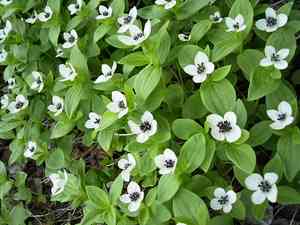
Tropical blazingstar is a prominent plant featuring pointed leaves and vibrant yellow blossoms, flourishing in adequately drained ground. Essential trimming methods involve excising deceased or injured stalks to foster more robust development and molding the plant to preserve its intended shape. The most suitable periods for pruning are late winter or early spring, coinciding with tropical blazingstar's developmental rhythm. Trimming after flowering can additionally boost bloom production in the subsequent period. Consistent pruning averts excessive density and facilitates improved air movement, diminishing the likelihood of illness.
Advantages of Trimming Tropical Blazingstar
Advantages of Trimming Tropical Blazingstar
Pruning tropical blazingstar encourages robust growth and helps maintain its desired form. It enhances air circulation, deters pests, and promotes abundant blooms, ensuring the plant stays healthy and visually appealing.
Optimal Pruning Period for Tropical Blazingstar
Optimal Pruning Period for Tropical Blazingstar
The best times to prune tropical blazingstar are early spring and late winter, as the plant is in its dormant state. Pruning during these periods minimizes the risk of disease and pest infestations because cuts heal more quickly when the plant is not actively growing. This timing also prepares tropical blazingstar for vigorous growth and flowering in the upcoming season, leading to healthier and more productive development.
Tools Required for Pruning Tropical Blazingstar
Hand Pruners
These are perfect for trimming smaller branches and stems of tropical blazingstar. They offer precision and control, allowing for clean cuts without harming the plant.
Loppers
Useful for cutting thicker branches that hand pruners cannot manage. They provide greater leverage and can make cleaner cuts on more substantial growth.
Pruning Saw
Essential for removing larger, woody stems. The saw's teeth are designed to cut through dense wood effectively, ensuring minimal trauma to the plant.
Gloves
Crucial for protecting your hands from the plant's sharp edges and potential irritants during pruning.
How to Prune Tropical Blazingstar
Inspect
Carefully examine tropical blazingstar to identify any diseased or withered leaves. Note the specific areas that need attention.
Sterilize
Before beginning, sterilize pruning tools with a solution of 1 part bleach to 9 parts water. This helps prevent the spread of any pathogens.
Remove Diseased Leaves
Using sharp pruning shears, cut off any diseased leaves close to the stem's base, ensuring you do not damage healthy tissues. Dispose of these leaves in the trash, not compost, to avoid spreading disease.
Trim Withered Leaves
Carefully remove withered leaves by cutting them at their point of attachment to the stem. Ensure to use clean and sharp tools to make precise cuts.
Dispose and Clean
Gather all pruned material and dispose of it appropriately. Clean and sterilize your tools again to maintain hygiene for future pruning tasks.
Common Pruning Errors with Tropical Blazingstar
Over-pruning
Cutting back tropical blazingstar too much can lead to reduced flowering and stress the plant, making it more vulnerable to disease.
Incorrect technique
Using dull or unsuitable tools can result in jagged cuts, which may not heal properly and can attract pests and diseases.
Ignoring damaged or diseased parts
Failing to remove damaged, diseased, or dead parts of tropical blazingstar can lead to the spread of disease and reduce overall plant health.
Pruning at the wrong stage of growth
Aggressively pruning new growth can hinder the plant's development and result in fewer blooms.
General Pruning Advice for Tropical Blazingstar
Use sharp, clean tools
Ensure that pruning shears or scissors are sharp and clean to make precise cuts and reduce the risk of infection.
Remove damaged and diseased parts first
Prioritize cutting away any dead, diseased, or damaged stems to prevent the spread of disease and promote healthier growth.
Make clean cuts
When pruning tropical blazingstar, always make clean, straight cuts just above a leaf node to encourage proper healing and new growth.
Thin out crowded areas
To improve air circulation and light penetration within the plant, thin out areas where branches are too dense. This helps maintain the plant's overall health and vigor.
Prune conservatively
Especially for novice gardeners, it's better to prune less than too much. Trim just what is necessary to shape the plant and remove any problematic areas. Experienced gardeners can experiment with more significant pruning as needed.


