How to Prune Apple mint?
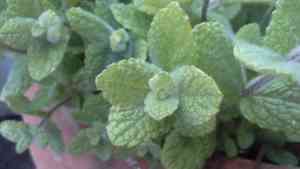
Apple mint, a fragrant perennial characterized by its delicate, fuzzy foliage, necessitates consistent trimming to foster robust development. The most opportune periods for pruning are in early spring prior to the emergence of new shoots and in late summer following its blooming phase. Pinch back the growing tips to stimulate a denser form and eliminate any withered or elongated stalks to sustain its vitality. Trimming benefits apple mint by improving air movement, diminishing the likelihood of ailments, and stimulating the generation of aromatic leaves.
What Are the Benefits of Pruning Apple Mint?
What Are the Benefits of Pruning Apple Mint?
Trimming apple mint promotes robust development and maintains a compact, desired shape. This is vital for a healthy, attractive plant, potentially enhancing leaf flavor.
What Is the Best Time for Pruning Apple Mint?
What Is the Best Time for Pruning Apple Mint?
Pruning apple mint in early spring is advantageous as the plant awakens from dormancy, stimulating new growth. This timing ensures the plant's energy focuses on developing healthy new stems and leaves, leading to more vigorous and lush growth throughout the season. Additionally, it allows for shaping apple mint, removing dead or frost-damaged winter tissue, and improving air circulation, which reduces fungal infection risks. Late summer pruning is ideal for apple mint to recover from earlier vigorous growth and maintain its size and shape without significantly impacting its health. However, avoid heavy pruning late in the season, as this can trigger new growth that may not harden sufficiently before cold weather, potentially leading to frost damage.
What Tools Do I Need to Prune Apple Mint?
Hand Shears
For trimming and shaping apple mint, hand shears are the most suitable implement. They offer precision and control, essential for preserving the structure of this herbaceous plant without harming its stems.
Pruning Scissors
Pruning scissors, also known as snips, are perfect for removing spent blooms and cutting back small, delicate apple mint stems. They enable precise cuts, fostering healthy growth and preventing disease.
Garden Gloves
Wearing garden gloves while pruning apple mint is crucial for protecting against potential skin irritation and ensuring a better grip on tools during work.
Waste Container
A container or bucket for collecting apple mint cuttings is necessary to keep the area clean and tidy. This also simplifies disposal or composting of the pruned material.
Alcohol Wipes or Solution
To prevent disease transmission, it is essential to clean tools before and after use with an alcohol solution. Pruning tools can spread pathogens between plants if not properly sanitized.
How to Prune Apple Mint
Step1: Sanitize Pruning Tools
Clean the Tools: Start by cleaning and disinfecting your pruning shears to prevent disease spread to apple mint. Use a solution of one part bleach to nine parts water or alcohol wipes to sterilize the cutting blades.
Step2: Optimal Pruning Season
Timing: The best time to prune apple mint is in spring or early summer to encourage healthy growth and prevent woodiness. Prune before flowering for optimal development.
Step3: Remove Dead Foliage
Prune Dead Leaves: Carefully inspect apple mint for any dead or yellowing leaves. Use pruning shears to snip these leaves at their base where they meet the stem. Dead leaves do not contribute to plant health, and removing them helps direct energy to new growth.
Step4: Prune Woody Stems
Cut Back Woody Stems: Identify woody stems on apple mint by looking for thick, rigid stems lacking green, flexible growth. Prune these back to about 1/3 of their length, cutting just above a leaf node (the point where leaves emerge from the stem). This will stimulate apple mint to produce more vigorous, leafy stems.
Step5: Trim Leggy Growth for Bushiness
Control Leggy Growth: When apple mint displays long, spindly stems with sparse leaf growth, indicating it is 'leggy,' it's time to encourage bushier growth. Trim these leggy stems back by up to half their length, making cuts just above a leaf node or a branching point to promote denser, more robust growth.
Step6: Shape the Plant Evenly
Shaping apple mint: As you prune, consider the overall shape and size you desire for your apple mint. Prune evenly around the plant to maintain a symmetrical appearance. Avoid removing more than one-third of the plant's total foliage at a time to prevent stress.
Step7: Weed Removal Post-Pruning
Remove Weeds: After pruning, ensure to remove any weeds around apple mint, as they can compete for nutrients and water essential for apple mint's recovery and growth post-pruning.
Step8: Water and Fertilize After Pruning
Water and Feed: Once pruning is complete, water apple mint thoroughly. If desired, apply a balanced, water-soluble fertilizer to support new growth. Always follow the manufacturer's instructions when applying fertilizer.
Step9: Monitor Plant's Health Post-Prune
Monitor Plant Health: In the weeks following pruning, keep an eye on apple mint for signs of new growth. Ensure the plant receives adequate light and water. If any problems arise, address them promptly to maintain a healthy, vibrant plant.
Post-Pruning Care for Apple Mint
Post-Pruning Care for Apple Mint
Immediately after pruning apple mint, water the plant deeply to reduce stress. Provide bright, indirect light, while maintaining consistent humidity and avoiding extreme temperatures. Apply a balanced, diluted fertilizer to promote recovery and growth. Monitor apple mint for signs of stress, such as wilting or discolored leaves, which could indicate infection. At the first sign of health decline, adjust environmental conditions and review care practices to address any issues promptly.
Common Pruning Mistakes with Apple Mint
Over-Pruning Reduces Plant Health
Pruning too aggressively, removing over one-third of apple mint at once, can stress the plant and diminish its overall health.
Avoid Cutting Old Woody Growth
Cutting into the woody, older growth of apple mint, which may not readily produce new shoots, potentially leading to bare areas.
Sanitize Tools to Prevent Disease
Neglecting to sanitize pruning tools before use on apple mint, which can spread diseases between plants.
Cut Stubs Lead to Decay and Pests
Leaving stubs after cuts, which can result in decay and provide entry points for pests or diseases.
Prune with Natural Shape in Mind
Ignoring the natural shape of apple mint during pruning, which can lead to an unnatural appearance and hinder growth.
Prune Evenly for Balanced Growth
Pruning only the top part of apple mint, causing the lower sections to become leggy and weak due to insufficient sunlight and airflow.
Common Pruning Tips for Apple Mint
Sharp Shears for Clean Cuts
Use sharp, clean pruning shears to make precise cuts on apple mint, minimizing plant damage and promoting faster healing.
Pinching Above Leaf Node for Bushiness
Prune apple mint by pinching or cutting just above a leaf node to encourage bushier growth and more abundant foliage.
Remove Dead Stems Promptly
Remove dead, damaged, or diseased stems of apple mint as soon as they are noticed to maintain plant health and aesthetic appeal.
Thin Stems to Boost Air and Light
Thin out crowded stems of apple mint to improve air circulation and light penetration, which helps prevent fungal infections and encourages healthy growth.
Cut Back Leggy Stems for Density
Shape apple mint by cutting back leggy stems to a healthy set of leaves, promoting a denser and more compact form.
Deadhead Flowers to Encourage Blooming
Regularly deadhead spent flowers of apple mint to encourage further blooming and prevent the plant from putting energy into seed production.
Fertilize After Pruning for Growth
After pruning apple mint, apply a balanced, slow-release fertilizer to support recovery and new growth.



