How to Prune Wild mint?
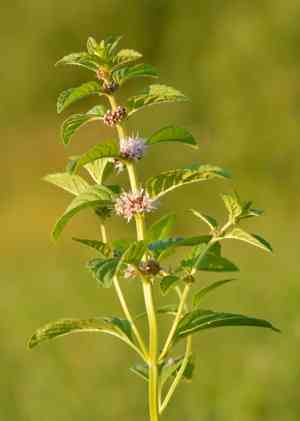
Wild mint, a scented, enduring herb, flourishes in ample sunlight and permeable earth, recognized for its aromatic foliage utilized in cooking. Nip off the ends to foster denser development and eliminate blossoms to boost leaf output. Optimal pruning occurs in early spring to stimulate fresh growth and once more in late summer to preserve its form. Consistent trimming deters excessive growth and can elevate the harvest of fragrant leaves, crucial for this plant's gastronomic uses.
What Are the Benefits of Pruning Wild Mint?
What Are the Benefits of Pruning Wild Mint?
Trimming wild mint promotes robust development and maintains its desired form. It fosters denser foliage and can lead to a more plentiful harvest of fragrant leaves, crucial for culinary and medicinal applications.
What Is the Best Time for Pruning Wild Mint?
What Is the Best Time for Pruning Wild Mint?
Trimming in early spring is advantageous as it stimulates new growth following the dormant winter period. This timing allows wild mint to direct energy into producing fresh leaves and stems, vital for its vigorous development. Late summer pruning is ideal as it prepares wild mint for the upcoming dormant phase without risking new growth that could be harmed by early frosts. These seasons ensure the plant stays healthy, encourages its growth cycle, and does not interfere with flowering, which typically occurs in wild mint during the summer months.
What Tools Do I Need to Prune Wild Mint?
Hand Pruners
Wild mint possesses a soft, herbaceous stem structure that is easily trimmed with standard hand pruners. This enables precise cuts without harming the plant. Hand pruners are also comfortable to use, making them perfect for detailed tasks.
Shears
For managing larger areas of wild mint, shears are effective in shaping and controlling the plant's spread. They can quickly and cleanly cut back growth, keeping the mint in check. Shears work well for cutting through the mint's extensive network of stems and leaves.
Scissors
Household scissors or gardening scissors can be utilized for minor trimming tasks on wild mint. They are useful for snipping off individual leaves or stems and are particularly convenient for harvesting small quantities for culinary purposes.
Pruning Saw
Although a pruning saw is generally employed for thicker branches, it may occasionally be necessary for cutting back woody stems if wild mint has been allowed to grow unchecked for several seasons.
How to Prune Wild Mint
Step1: Inspect Plant for Pruning Areas
Start by examining wild mint to identify the sections that require trimming: old foliage, damaged stems, and faded flowers. Use this opportunity to evaluate the plant's overall health and structure.
Step2: Prepare Sterilized Pruning Tools
Gather sharp, clean pruning shears or scissors. Sanitize the cutting implements with rubbing alcohol or a bleach solution to prevent the spread of disease among plants.
Step3: Remove Old Foliage
To remove old foliage, pinpoint leaves that appear discolored, dried, or are no longer contributing to the plant's vitality. Make cuts at the base of the unwanted leaves, being careful not to harm new growth or the main stems of wild mint.
Step4: Prune Damaged Stems
Address damaged stems by cutting them back to a healthy section, just above a leaf node or branching point. This will encourage wild mint to direct energy into healthy growth, rather than repairing compromised tissue.
Step5: Deadhead Wilted Flowers
Trim faded flowers by cutting them off just below the flower head. This will help wild mint to conserve energy and may promote further blooming if during the appropriate season.
Step6: Shape and Reduce Overgrowth
After removing the undesirable parts, shape wild mint by cutting back any overgrown or leggy stems to maintain a desired size and form. This can also help to improve air circulation and light penetration to the plant's center.
Step7: Dispose of Pruned Materials Properly
Discard all pruned material away from the planting area to lessen the risk of pests and diseases. Composting healthy plant material is a sustainable choice.
Step8: Water Plant Post-Pruning
Water wild mint after trimming to reduce stress and encourage new growth. Adjust watering based on the season and current soil moisture levels.
Step9: Monitor Plant for Post-Pruning Health
Observe wild mint over the next few days for signs of stress or disease. Continue regular care, including watering, feeding, and further trimming as needed for the plant's health and appearance.
Step10: Clean and Sterilize Tools After Use
Finally, clean and sterilize your pruning tools after use to ensure they are ready for the next trimming session.
Post-Pruning Care for Wild Mint
Post-Pruning Care for Wild Mint
Immediately after trimming wild mint, water thoroughly to minimize transplant shock. Ensure wild mint is in a well-lit area but shielded from direct, harsh sunlight. Maintain ambient humidity and a consistent temperature to prevent stress. Apply a balanced, diluted fertilizer to support new growth, avoiding over-fertilization. Monitor wild mint for wilting or discolored leaves, which indicate stress or disease. If such issues arise, adjust care and consult a horticulturist for specific treatment.
Common Pruning Mistakes with Wild Mint
Excessive Pruning: Plant Stress and Hindered Growth
Trimming wild mint too aggressively, removing large portions of the plant in one session which can stress the plant and impede its growth.
Using Dull or Dirty Tools: Risk of Disease and Pests
Neglecting to use clean, sharp tools for trimming, which can result in jagged cuts that are more vulnerable to disease and pests.
Unplanned Pruning: Poor Growth and Aesthetics
Trimming without a strategy, leading to uneven growth or shaping that does not promote the health or appearance of wild mint.
Ignoring Diseased Stems: Risk of Further Infection
Overlooking dead or diseased stems during trimming which could lead to further infection and hinder the productivity of wild mint.
Incorrect Pruning Technique: Nonproductive Growth
Failing to trim back to a node or internode, potentially resulting in unproductive stubs that do not encourage new growth.
Common Pruning Tips for Wild Mint
Clean and Sharp Pruning for Quick Healing
Utilize sharp and sanitized pruning shears to make clean cuts on wild mint, which aid in rapid healing and reduce the risk of disease.
Strategic Cuts for Bushier Growth
Trim wild mint by cutting above a set of leaves or a node to encourage bushier growth and more robust stems.
Remove Dead Stems to Maintain Plant Health
Promptly remove any dead or diseased stems to maintain the health of wild mint and prevent it from spreading throughout the plant.
Thin Out for Better Air Circulation and Light
Thin out crowded areas of wild mint to enhance air circulation and light penetration, which can boost the plant's vigor and decrease the likelihood of disease.
Deadheading for More Flowers and Vigor
Regularly deadhead spent blooms to encourage more flowering and to prevent wild mint from allocating energy to seed production at the expense of vegetative and root growth.



