How to Prune Giant honey flower?
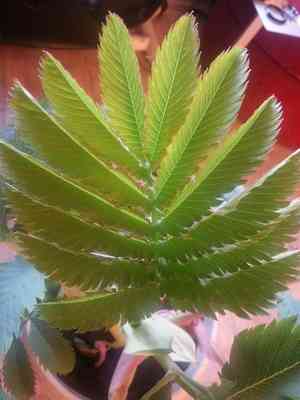
Distinguished by its striking spires of nectar-filled blossoms and toothed leaf edges, Melianthus major benefits from consistent trimming to preserve its form and foster denser development. Perform light pruning periodically to eliminate withered stalks and faded blooms. To stimulate vigorous new shoots, execute a more substantial cut at the close of winter or early spring, prior to the emergence of fresh growth. Trimming improves the plant's aesthetic value and can hinder the dissemination of ailments by excising compromised tissue.
What Are the Benefits of Pruning Giant Honey Flower?
What Are the Benefits of Pruning Giant Honey Flower?
Trimming giant honey flower promotes the development of its striking blossoms and encourages robust growth. Consistent pruning helps maintain its desired form, ensuring the plant remains an appealing garden feature.
What Is the Best Time for Pruning Giant Honey Flower?
What Is the Best Time for Pruning Giant Honey Flower?
Pruning giant honey flower in Spring allows for the removal of winter-damaged foliage and stimulates fresh, new growth as the plant enters its active season. This timing also ensures that giant honey flower will have ample time to recover and produce new shoots before the next winter. Occasionally, light pruning can also be done in Autumn to maintain shape and remove any spent or dead foliage, but heavy pruning should be avoided to prevent stimulating new growth that may not harden off before frost. Pruning in late Summer can help in shaping the plant and controlling its size, but care should be taken not to prune too late to avoid new growth which could be damaged by early frosts. Not pruning in Winter is important as giant honey flower is less able to heal from cuts during cold weather, increasing the risk of disease. Since giant honey flower can be pruned all year around, always focus on removing diseased or damaged wood as soon as it is identified to maintain the health of the plant.
What Tools Do I Need to Prune Giant Honey Flower?
Bypass Pruners
For precise cuts and minimal harm to the healthy parts of giant honey flower. Ideal for severing stems and smaller branches up to 3/4 inch in diameter.
Loppers
They offer greater leverage for thick stems or branches approximately 1 to 1 & 1/2 inches in diameter, which is common in a mature giant honey flower.
Pruning Saw
Essential for any branches over 1 & 1/2 inches thick that bypass pruners or loppers cannot cleanly cut.
Garden Scissors
For shaping and trimming the soft foliage of giant honey flower without crushing the delicate leaves and stems.
Gloves
To shield the gardener's hands from the sticky sap, which can be an irritant, as well as from any sharp edges or thorns.
How to Prune Giant Honey Flower
Clean Tools
Before beginning to prune giant honey flower, ensure all pruning tools are clean and sharp. This prevents the spread of diseases and makes cleaner cuts which help giant honey flower heal faster.
Remove Diseased Parts
Carefully cut away any diseased leaves and branches from giant honey flower. Make the cuts at the base of the affected areas, avoiding any healthy tissue to prevent the spread of disease.
Trim Dead Material
Identify dead branches and withered leaves on giant honey flower, and trim these off at the point of origin using bypass pruners. Removing dead material encourages healthy growth and improves air circulation.
Deadhead Flowers
Deadhead withered flowers on giant honey flower by snipping them off at the base of the flowering stalk. This promotes further blooming and redirects energy towards new growth and vitality.
Shape Plant
Prune giant honey flower for shape by selectively trimming back overgrown branches. Aim to maintain a well-balanced structure, cutting just above a leaf node to encourage new branching.
Common Pruning Mistakes with Giant Honey Flower
Over-Pruning
Removing too much foliage can stress giant honey flower and hinder its growth. It's essential to not prune more than one-third of the plant at any given time.
Using Dull Tools
Dull pruning tools can cause jagged cuts, leaving giant honey flower susceptible to disease and pests. Always use sharp, clean tools for a clean cut.
Pruning Too Low
Cutting into the woody base structure of giant honey flower can damage the plant. Prune just above the leaf nodes where new growth can easily sprout.
Neglecting Deadheading
Failing to remove spent flowers can prevent giant honey flower from producing new blooms. Regular deadheading encourages continued flowering.
Ignoring Plant Shape
Random or inconsistent cuts can lead to an unbalanced shape and may affect the aesthetic appeal of giant honey flower. Make pruning decisions that maintain or enhance the natural shape.
Pruning During Damp Conditions
Giant honey flower should not be pruned when the foliage is wet, as this can spread diseases. Wait for dry conditions before pruning.
Common Pruning Tips for Giant Honey Flower
Focus On Health
Remove any dead, diseased, or damaged stems to maintain giant honey flower's health and vigor, cutting back to healthy wood.
Encourage New Growth
Prune giant honey flower by cutting just above the leaf nodes to stimulate new growth.
Deadhead Regularly
Regularly remove spent blooms to encourage further flowering and prevent giant honey flower from allocating energy to seed production.
Maintain Natural Form
Prune giant honey flower to maintain its natural form, following the plant's shape and enhancing its unique structure.
Plan Your Cuts
Before cutting, visualize the outcome and choose the location of cuts carefully to achieve the desired result on giant honey flower.
Clean Tools Before Use
Sanitize pruning tools before use to prevent the spread of disease to giant honey flower. Wipe them with rubbing alcohol or a 10% bleach solution.



