How to Prune Dwarf waterclover?
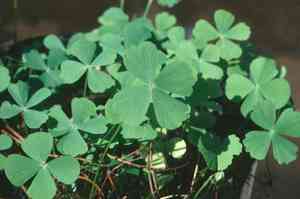
A small aquatic fern, dwarf waterclover flourishes in water features. Remove withered or discolored leaves at the plant's base to stimulate robust development, preferably in early spring or late winter. Clipping improves water circulation and light access, averting excessive proliferation. As dwarf waterclover prefers a moist habitat, confirm that instruments are disinfected to inhibit pathogen transmission. Consistent trimming preserves the plant's dense structure and vitality, essential for its aesthetic value.
What Are the Benefits of Pruning Dwarf Waterclover?
What Are the Benefits of Pruning Dwarf Waterclover?
Trimming dwarf waterclover promotes robust development and helps maintain its desired form, ensuring the plant stays healthy and visually appealing within an aquatic garden.
What Is the Best Time for Pruning Dwarf Waterclover?
What Is the Best Time for Pruning Dwarf Waterclover?
The optimal period for trimming or cutting dwarf waterclover is during early spring or late winter. In these seasons, the plant is in a dormant or slow-growth state, which reduces stress and allows for quicker recovery. Pruning in early spring, before new shoots appear, helps stimulate vigorous growth as temperatures rise. Late winter trimming is effective as it prepares dwarf waterclover for spring by removing old or dead foliage, which can enhance light penetration and air circulation. These practices lead to a healthier and more attractive plant throughout the growing season. It is crucial to avoid pruning during active growth or blooming periods to prevent disrupting the plant's natural cycle or diminishing its ability to thrive.
What Tools Do I Need to Prune Dwarf Waterclover?
Aquatic Plant Scissors
Given its aquatic nature, dwarf waterclover requires implements that perform well in water without corroding. Specialized aquatic plant shears are perfect for making precise cuts underwater without disturbing the delicate aquatic environment.
Fine Pruning Shears
Delicate pruning shears can be utilized for dwarf waterclover above the water line if necessary. The shears should be sharp to ensure clean cuts that will not harm the plant.
Long-Handled Pruning Shears
For deeper water or larger tanks where dwarf waterclover might be situated, long-handled pruning shears enable the gardener to reach the plants without fully submerging their arms.
How to Prune Dwarf Waterclover
Clean tools
Prior to beginning, ensure all trimming implements are clean and sharp to prevent the spread of disease to dwarf waterclover.
Inspect plant
Carefully examine dwarf waterclover for any indications of diseased or withered leaves that require removal.
Remove diseased leaves
Using your trimming tools, carefully snip off diseased leaves from dwarf waterclover, cutting at the stem's base to prevent further infection.
Remove withered leaves
Identify any dried-up leaves on dwarf waterclover and trim them at the base of their stem to encourage healthy new growth.
Dispose trimmed parts
Properly discard all removed diseased and withered leaves to prevent them from affecting other plants or re-infecting dwarf waterclover.
Common Pruning Mistakes with Dwarf Waterclover
Over pruning
Removing too much of dwarf waterclover's foliage can stress the plant, leading to reduced vigor and potentially hindering its growth and recovery.
Improper cut locations
Making cuts in incorrect spots, such as too close to the crown or not at the node, can cause damage to dwarf waterclover and invite disease or pests.
Using dull tools
Trimming dwarf waterclover with blunt tools can result in jagged cuts that harm the plant and make it more susceptible to infections.
Unnecessary pruning
Some gardeners mistakenly trim dwarf waterclover without a clear reason, which can be counterproductive and may not benefit the plant's health or appearance.
Tearing stems
Attempting to trim dwarf waterclover by pulling or tearing stems can lead to excessive damage and should be avoided.
Common Pruning Tips for Dwarf Waterclover
Clean cuts
Utilize sharp, sterilized trimming shears to make clean cuts on dwarf waterclover to minimize disease risk and ensure rapid healing.
Prune damaged foliage
Regularly remove any dead, diseased, or yellowing leaves from dwarf waterclover to maintain plant health and encourage new growth.
Prune for shape
Lightly trim the outer contours of dwarf waterclover to maintain its desired shape and keep it compact, without compromising its natural growth pattern.
Thin crowded areas
Thin out congested areas to improve air circulation around dwarf waterclover, reducing fungal disease risk and ensuring each frond has ample space to flourish.
Encourage bushiness
Pinch back the tips of dwarf waterclover during the growing season to promote a bushier growth habit and enhance the plant's overall fullness.



