How to Prune Garlic vine?
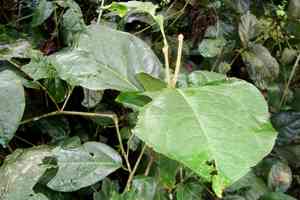
Distinguished by its vibrant, pipe-shaped blossoms that emit a garlic-like scent, garlic vine flourishes with consistent trimming. To achieve vigorous development and profuse flowering, conduct pruning in the initial part of spring or the latter portion of winter, reducing branches to sound buds to stimulate new shoots. Reducing dense sections enhances air movement, substantially improving the plant's well-being. Strategic pruning guarantees a dense, attractive form while reinforcing its abundant flowering characteristic. Customized pruning elevates both its visual charm and general vitality.
What Are the Benefits of Pruning Garlic Vine?
What Are the Benefits of Pruning Garlic Vine?
Trimming garlic vine promotes robust development and maintains its desired form. Consistent cutting fosters dense foliage and strong climbing, ensuring garlic vine remains an appealing decorative feature in gardens.
What Is the Best Time for Pruning Garlic Vine?
What Is the Best Time for Pruning Garlic Vine?
Pruning garlic vine in late winter or early spring is optimal as these periods precede the plant's active growth phase, allowing garlic vine to recover from cuts and direct energy into new growth. During late winter, the plant is still dormant, minimizing pruning stress and disease transmission risk through wounds. Early spring pruning aligns with garlic vine's growth cycle, stimulating healthy new shoots for abundant flowering. Proper timing avoids cutting garlic vine during bloom or fruit production, ensuring these displays are unaffected. Pruning in these recommended seasons also helps maintain garlic vine's shape and size, enhancing its ornamental value.
What Tools Do I Need to Prune Garlic Vine?
Hand Pruners
Perfect for making clean cuts on young stems and branches of garlic vine, minimizing plant damage. Suitable for deadheading and shaping.
Loppers
Ideal for cutting thicker, woody stems of garlic vine that hand pruners can't manage, offering good leverage and reach.
Pruning Saw
Useful for removing old, mature stems of garlic vine during extensive pruning. Its blade is designed to cut through thicker branches easily.
Gloves
To protect hands from thorns or sap while pruning garlic vine, ensuring safe gardening practices.
Cleaning Solution
To sanitize pruning tools before and after use on garlic vine to prevent disease spread.
How to Prune Garlic Vine
Sanitize
Before beginning, sterilize pruning tools with alcohol or bleach solution to prevent disease spread to garlic vine.
Inspect
Examine garlic vine closely to identify all diseased and withered leaves that need removal.
Cut Diseased Leaves
Using sterilized pruning shears, carefully trim off diseased leaves at their base, ensuring not to harm healthy adjacent foliage of garlic vine.
Remove Withered Leaves
Remove withered leaves by gently plucking them off by hand if they detach easily, or use shears to cut them back to healthy tissue, ensuring clean cuts to aid garlic vine's recovery.
Cleanup
Properly dispose of removed leaves; do not compost as they may contain pathogens harmful to garlic vine. Clean tools again after finishing pruning.
Common Pruning Mistakes with Garlic Vine
Over-Pruning
Removing too much foliage at once can shock garlic vine, leading to poor growth and reduced flowering. Pruning more than one-third of the plant at any given time is generally not recommended.
Improper Cut Location
Cutting too far from a bud or node can leave a long stub, which may rot and invite disease. Similarly, cutting too close can damage the bud, inhibiting new growth.
Using Dull Tools
Dull pruning tools can cause jagged cuts that are more prone to disease and decay. Ensuring tools are sharp allows for clean cuts that heal more quickly.
Pruning At Random
Randomly cutting branches without understanding the growth pattern of garlic vine can result in an unsightly shape and can negatively affect flowering.
Neglecting Sanitation
Not cleaning tools between uses can spread pests and diseases from infected plants to healthy ones during the pruning process.
Ignoring Plant Health
Pruning a stressed or diseased garlic vine can further weaken the plant. Assess the plant's health before making any cuts.
Common Pruning Tips for Garlic Vine
Selective Pruning
To encourage a fuller bush and more blooms, selectively remove older, non-productive branches and any weak or spindly growth.
Angling Cuts
Make cuts at a 45-degree angle about 1/4 inch above a bud or node, facing away from the center of garlic vine. This promotes water runoff and healthy new growth.
Encouraging Lateral Growth
Cutting back the tips of branches can stimulate lateral growth, leading to a bushier plant. This is particularly effective on younger garlic vine plants.
Thinning Overcrowded Areas
Thin out crowded areas to increase air circulation and light penetration. This helps reduce the risk of fungal infections and encourages even growth.
Post-Flowering Pruning
Prune garlic vine plants after they finish flowering to shape the plant and remove spent blooms, which can encourage a second wave of flowers.
Regular Maintenance
Regularly remove dead or damaged growth, as this helps maintain plant vigor and hygiene, preventing potential issues before they become serious.



