How to Prune Southern Crabapple?
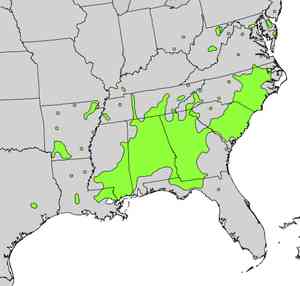
This indigenous deciduous plant displays pinkish-white flowers prior to bearing fruit. For southern Crabapple, perform yearly pruning in late winter or early spring. Focus on reducing crowded branches and eliminating any dead or ailing wood. This upkeep enhances air circulation, light exposure, and robust development. Refrain from over-pruning, as it could diminish blooming and fruit yield. Trimming is essential for forming and fostering strong, fruit-producing limbs in this variety.
Advantages of Trimming Southern Crabapple
Advantages of Trimming Southern Crabapple
Trimming southern Crabapple promotes robust development and maintains its desired form. Eliminating old or diseased wood ensures strong health and aesthetic appeal.
Optimal Time for Trimming Southern Crabapple
Optimal Time for Trimming Southern Crabapple
The ideal period to trim southern Crabapple is during late winter and early spring, prior to the emergence of new growth. Pruning in late winter, while the tree is still dormant, minimizes the risk of pest infestations and disease transmission. Furthermore, with no leaves present, the plant's structure is more visible, allowing for more precise cuts. Trimming at this time also helps to stimulate new growth in the spring. Early spring pruning should occur just as buds begin to swell, ensuring quick healing of cuts and directed growth. Pruning southern Crabapple during this window is vital to preserve the plant's well-being and enhance its flowering and fruiting capabilities for the upcoming season.
Tools Required for Trimming Southern Crabapple
Hand Pruners
For precise cuts on small branches and shaping southern Crabapple, hand pruners, especially bypass pruners, are perfect as they create clean cuts without crushing plant tissues.
Loppers
Given the thicker branches of southern Crabapple, particularly as it matures, loppers are essential for branches up to 1 1/2 inches in diameter, offering leverage and extended reach.
Pruning Saw
For larger branches exceeding 1 1/2 inches in thickness that hand pruners and loppers cannot manage, a pruning saw is needed to make clean cuts without harming southern Crabapple.
Pole Pruner
To safely access higher branches without a ladder, a pole pruner is useful for maintaining the upper sections of southern Crabapple.
Garden Shears
For trimming and shaping the foliage of southern Crabapple, especially to remove water sprouts and suckers, garden shears are suitable.
Pruning Snips
For more detailed work or deadheading blossoms on southern Crabapple, pruning snips are the preferred tool due to their precision and ease of use.
How to Trim Southern Crabapple
Step1: Assess Plant Health and Timing
Before trimming southern Crabapple, evaluate its health to identify any dead wood, diseased limbs, or suckers that require removal. The best time to prune is late winter or early spring, before new growth begins.
Step2: Sanitize Trimming Tools
Disinfect pruning tools with a 10% bleach solution or alcohol to prevent disease spread. Ensure tools are sharp for clean cuts.
Step3: Remove Dead Wood
Begin by eliminating any dead wood. Make cuts just above the branch collar, the area where the branch connects to the trunk or another branch. Avoid cutting into the collar, as it contains cells crucial for healing.
Step4: Eliminate Diseased Limbs
Identify and remove diseased limbs. Cut at least several inches below the affected area to ensure all diseased tissue is gone. Properly dispose of diseased wood to prevent contamination.
Step5: Remove Suckers
Locate suckers, which are vigorous vertical shoots growing from the base or roots of southern Crabapple. Cut these as close to their origin as possible, at the base or below soil level if they are sprouting from the roots.
Step6: Thin Canopy for Air and Light
After removing dead, diseased, and sucker growth, assess southern Crabapple for its overall shape. Thin the canopy to allow light and air to penetrate, which will reduce the likelihood of disease. Make thinning cuts just above lateral branches at a 45-degree angle away from the bud.
Step7: Shape with Heading Cuts
If necessary, shape southern Crabapple by shortening overly long branches. Make heading back cuts to a lateral branch or bud that faces the direction you want new growth to follow.
Step8: Clean Up Trimming Debris
After pruning, clear all debris from the ground around southern Crabapple to prevent the potential spread of pests or diseases.
Step9: Water and Fertilize After Trimming
As a final step, ensure southern Crabapple is well-watered and consider a balanced fertilizer to support southern Crabapple's recovery and new growth after pruning.
Step10: Monitor Plant Health
Monitor southern Crabapple in the following weeks for any signs of stress or disease, addressing any issues promptly to maintain the health of the plant.
Care for Southern Crabapple After Trimming
Care for Southern Crabapple After Trimming
Immediately after trimming, clean cuts on southern Crabapple should be treated with an appropriate wound dressing to prevent infection. Ensure southern Crabapple is placed in a location with adequate light, humidity, and stable temperature suitable for its recovery. Implement a balanced fertilizer regimen to encourage vigorous regrowth while avoiding excessive nitrogen, which can lead to weak growth. Regularly inspect southern Crabapple for signs of stress, such as discolored leaves or die-back, and address promptly by adjusting care or seeking expert advice.
Common Trimming Errors with Southern Crabapple
Over-Trimming Shock and Sparse Flowering
Trimming too much at once can shock southern Crabapple, leading to reduced vigor and sparse flowering. Removing more than a quarter of the total growth in a single pruning session is typically excessive.
Damaging Branch Collar by Incorrect Cuts
Cutting branches flush against the main trunk can harm the branch collar, resulting in poor healing and increased susceptibility to disease. It is important to cut just outside the branch collar.
Ignoring Water Sprouts and Suckers
Neglecting to remove water sprouts (vigorous vertical growth) and suckers (growth from the roots or base of the main trunk) can lead to a cluttered, less productive plant. These should be pruned to maintain the form and health of southern Crabapple.
General Trimming Advice for Southern Crabapple
Thinning for Better Airflow and Sunlight
Focus on thinning out dense areas to improve air circulation and sunlight penetration, which are crucial for the health and flowering of southern Crabapple.
Regular Removal of Dead or Diseased Wood
Identify and remove dead, diseased, or damaged wood as part of routine maintenance to prevent the spread of pathogens and improve the overall structure of southern Crabapple.
Shaping for Strong Branch Structure
Prune to maintain a desirable shape, encouraging southern Crabapple to develop a strong framework of main branches while opening up the center of the canopy.



