How to Prune Kamala tree?
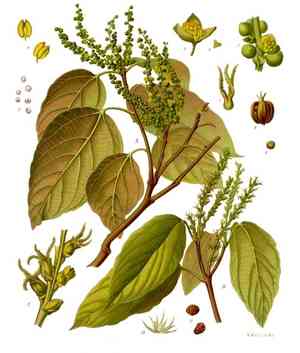
The Kamala tree, recognized for its vivid crimson fruit and decorative application, flourishes with judicious trimming. In the period of winter inactivity, eliminate lifeless or frail limbs, reduce crowded foliage, and sculpt for the preferred dimensions and configuration. Prompt pruning sustains vigor, stimulates development, and elevates visual charm. To ensure productive results, sanitize implements to avert the spread of pathogens.
What Are the Advantages of Trimming Kamala Tree?
What Are the Advantages of Trimming Kamala Tree?
Trimming kamala tree encourages robust development and assists in preserving a desired form. Deliberate cuts can revitalize the tree, leading to a more managed and visually appealing structure.
When Is the Optimal Time for Trimming Kamala Tree?
When Is the Optimal Time for Trimming Kamala Tree?
Trimming kamala tree in late winter to early spring is ideal since the plant is dormant. This timing minimizes stress and lowers the chance of disease and pest infestation that can occur during more active growth. Furthermore, pruning before new growth begins allows the plant to focus energy on healing cuts and producing strong new shoots as the growing season arrives. Avoiding trimming during flowering or fruiting periods ensures that kamala tree's ornamental and reproductive capabilities are not harmed, thus maintaining both its beauty and its ecological function.
What Equipment Do I Need to Trim Kamala Tree?
Hand Pruners
Perfect for making precise cuts on kamala tree's smaller branches. Their compact, sharp blades can cut through wood up to 0.75 inches thick, sufficient for snipping thin, young shoots and ensuring clean cuts without harming the plant.
Loppers
These long-handled pruners offer the reach and leverage required to trim larger branches of kamala tree that are 1.5 to 2 inches in diameter. This enables cutting thicker growth without straining the gardener's hands.
Pruning Saw
For the occasional thicker branch that loppers cannot manage (over 2 inches in diameter), a pruning saw is essential. This tool allows for cutting larger limbs with precision, vital for maintaining kamala tree's health and appearance.
Pole Pruner
Sometimes kamala tree's branches may be out of reach. A pole pruner extends the gardener's reach and is suitable for trimming without a ladder, making the task safer and more efficient.
Shears
For shaping and thinning kamala tree's foliage, hedge shears can quickly manage soft, leafy growth and maintain the plant's desired form.
Pruning Gloves
While not a cutting tool, gloves are crucial for protecting the gardener's hands from scrapes and kamala tree's sap, which may cause skin irritation.
How to Trim Kamala Tree
Sanitize tools
Disinfect pruning tools with isopropyl alcohol or a 10% bleach solution to prevent disease transmission to kamala tree.
Examine
Carefully inspect kamala tree to identify all dead and diseased branches. Look for branches that appear dry, brittle, and leafless, or show signs of infection.
Remove dead branches
Using the sterilized tools, begin trimming by making clean cuts to remove dead branches. Cut at a 45-degree angle just above a leaf node or lateral branch to encourage healthy regrowth on kamala tree.
Eliminate diseased branches
Trim diseased branches, cutting well below the affected area to remove all infected tissue. Dispose of these properly to prevent spreading pathogens to other parts of kamala tree or nearby plants.
Final review
Conduct a final check to ensure all problematic branches have been removed. Clear away debris from kamala tree's base to maintain good hygiene and reduce disease risk.
Common Trimming Errors with Kamala Tree
Excessive trimming
Removing too much foliage at once can stress kamala tree, impeding its ability to photosynthesize and grow correctly.
Incorrect cut placement
Cutting too far from or too close to the bud can lead to poor wound healing and increased disease risk for kamala tree.
Trimming without sterilizing tools
Using unsterilized tools can introduce pathogens to kamala tree, potentially causing infections.
Tearing or ripping branches
Improper cutting techniques that cause branches to tear can damage kamala tree's bark and create larger wounds more susceptible to disease.
Ignoring dead or diseased wood
Failing to remove dead or diseased branches can hinder kamala tree's growth and allow disease to spread.
General Trimming Advice for Kamala Tree
Clean cuts
Utilize sharp, sterilized pruning tools to make clean cuts, which heal faster and reduce the likelihood of disease in kamala tree.
Correct cut angle
Make cuts at a 45-degree angle, approximately 1/4 inch above outward-facing buds, to promote healthy growth and water runoff.
Deadwood removal
Regularly remove dead, diseased, or damaged branches from kamala tree to maintain plant health and vigor.
Thin out excess growth
Thin crowded areas to improve air circulation and light penetration, which can enhance kamala tree's overall health and flowering potential.
Structural shaping
Trim to maintain a strong structure and shape, removing crossing or rubbing branches to prevent wounds and preserve kamala tree's aesthetic appeal.



