How to Prune Golden spider-lily?
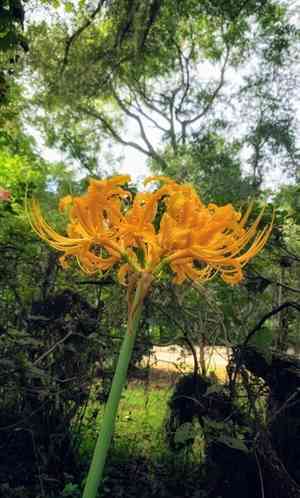
Celebrated for its brilliant, golden blossoms, golden spider-lily flourishes with infrequent trimming. Detach faded flowers post-bloom to foster well-being. Trim back the foliage in late autumn, once the leaves turn yellow. Perform pruning in spring or summer solely to eliminate impaired or ailing sections. Pruning stimulates robust development and boosts floral production, guaranteeing golden spider-lily continues to be a striking element in any landscape.
What Are the Benefits of Pruning Golden Spider-lily?
What Are the Benefits of Pruning Golden Spider-lily?
Trimming golden spider-lily helps direct its energy towards producing vibrant flowers. Regular cutting encourages golden spider-lily to grow more robustly, adapting to its surroundings. Shaping golden spider-lily maintains an attractive appearance and ensures a controlled size for garden design.
What Is the Best Time for Pruning Golden Spider-lily?
What Is the Best Time for Pruning Golden Spider-lily?
The optimal time to prune or trim golden spider-lily is in late Summer or early Fall after its flowering period. Pruning at this point allows for the removal of spent flower stalks and any dying foliage without disrupting its growth cycle. Golden spider-lily enters dormancy in Winter; therefore, pruning should not interfere with the energy reserves stored in the bulb post-flowering. Additionally, pruning before Winter's onset helps reduce disease risk and prepares golden spider-lily for vigorous growth the following Spring.
What Tools Do I Need to Prune Golden Spider-lily?
Bypass Pruners
Perfect for making clean cuts on golden spider-lily's leaves and stems without crushing plant tissue. These pruners are sharp and accurate, suitable for removing faded flowers or dead foliage.
Gloves
Essential for protecting hands from golden spider-lily's sap, which can irritate some skin. Gloves also guard against sharp leaves and potential pests during pruning.
Garden Shears
Golden spider-lily can sometimes have denser foliage; garden shears can efficiently manage larger leaf clumps, especially when thinning congested areas to improve air circulation.
Disinfectant for Tools
To prevent disease transmission, it's vital to clean tools before and after pruning golden spider-lily. A simple disinfectant like alcohol or a bleach solution can be used.
How to Prune Golden Spider-lily
Clean tools
Before pruning golden spider-lily, ensure all pruning tools are clean and sterilized. Use a solution of 1 part bleach to 9 parts water to prevent disease spread.
Remove diseased
Carefully inspect golden spider-lily for any signs of diseased leaves. Using your sterilized tools, gently trim off any affected leaves, cutting them at their base where they connect to the stem.
Trim withered leaves
Identify withered or yellowing leaves on golden spider-lily. Use your pruning shears to clip these leaves at the base, ensuring clean cuts to encourage healthy new growth.
Deadhead flowers
Examine golden spider-lily for withered flowers. Deadhead these by snipping the flower stalks at the base of the bloom or back to the main stem without harming the foliage.
Clean up
After pruning golden spider-lily, remove all trimmings from around the base to prevent any lingering disease. Dispose of or compost the pruned material appropriately.
Common Pruning Mistakes with Golden Spider-lily
Over pruning
Removing too much foliage at once can stress golden spider-lily, leading to reduced vitality and fewer blooms.
Cutting flowering stems
Trimming flowering stems before they naturally die back can prevent golden spider-lily from storing energy for its next growth cycle.
Improper cut locations
Cutting too close to the bulbs or too far from dead tissue can harm the plant or leave unsightly stubs that may attract pests and diseases.
Using dull tools
Pruning with dull or dirty tools can cause unnecessary damage to plant tissues, making golden spider-lily susceptible to infections.
Ignoring diseased material
Failing to remove and properly dispose of any diseased or pest-infested plant parts can spread problems to healthy areas.
Common Pruning Tips for Golden Spider-lily
Sanitized tools
Always use clean, sharp tools to make precise cuts, reducing infection risk and ensuring quick healing for golden spider-lily.
Post-bloom pruning
Trimming should occur after the blooming period to remove spent flowers and help golden spider-lily conserve energy for the next season.
Dead and damaged
Regularly remove dead or damaged foliage to maintain golden spider-lily's health and aesthetic appeal, but leave healthy green leaves to nourish the bulb.
Moderate pruning
Prune sparingly, as golden spider-lily typically doesn't require extensive cutting back. Focus on removing only what's necessary for the plant's health.
Careful disposal
Dispose of pruned material, especially if diseased or infested, away from healthy plants to prevent the spread of issues within the garden.



