How to Prune Small-flower lupine?
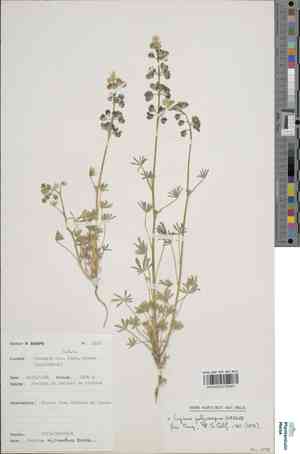
Recognized for its diminutive blossoms and abundant leaves, Lupinus microcarpus thrives with regular trimming to foster robust development and prolific blooming. Perform pruning in the initial weeks of spring or the concluding period of winter, eliminating lifeless or compromised stalks and encouraging a denser structure. Snip off faded blooms to prolong the flowering period. Verify that all cuts are precise to avert illness. Trimming aids in revitalizing mature specimens and improves air movement, contributing to the plant's general well-being. Always employ disinfected implements and adhere to recommended procedures for peak outcomes.
What Are the Benefits of Pruning Small-flower Lupine?
What Are the Benefits of Pruning Small-flower Lupine?
Trimming small-flower lupine encourages robust development and preserves its form. By eliminating dead or diseased stems, it can improve air flow, lower pest and illness risks, and stimulate healthier, more abundant blooms. Pruning also prevents overcrowding and supports stronger growth.
What Is the Best Time for Pruning Small-flower Lupine?
What Is the Best Time for Pruning Small-flower Lupine?
Trimming small-flower lupine in early spring and late winter is optimal as it coincides with the plant's dormant phase, minimizing disease and pest infestation risks. During these periods, small-flower lupine is less likely to suffer stress from pruning, allowing for healthy regrowth. Furthermore, pruning before the active growth season ensures the plant directs energy into producing new, vigorous shoots, leading to improved flowering and overall plant vitality. It's crucial to avoid pruning during active growth, as this can disrupt blooming and potentially harm the plant's development.
What Tools Do I Need to Prune Small-flower Lupine?
Hand Pruners
These are ideal for deadheading spent flowers and trimming slender stems of small-flower lupine. They offer precision and control, which is vital for maintaining the plant's appearance and encouraging re-blooming.
Bypass Pruners
Perfect for cutting live, green stems without crushing them. Utilize these to shape small-flower lupine and remove any dead or diseased stems to uphold overall plant health.
Pruning Scissors
Beneficial for detailed trimming tasks, enabling close and accurate cuts on smaller branches and leaves of small-flower lupine.
Gloves
Protect hands during pruning. Since small-flower lupine has delicate foliage, ensuring hands are covered will prevent accidental harm to the plant and the gardenerâs hands.
Disinfectant
Crucial for cleaning tools before and after trimming small-flower lupine to prevent disease spread. A simple alcohol-based solution works effectively.
How to Prune Small-flower Lupine
Assessment
Examine the plant thoroughly to identify any diseased and withered leaves. This will help you focus on the necessary areas for trimming.
Tools Preparation
Sanitize your pruning shears or scissors to prevent the spread of any diseases. Use clean and sharp tools for precise cuts.
Disease Removal
Carefully remove any diseased leaves by cutting them off at the base where they meet the stem. Dispose of these leaves away from the garden to prevent contamination.
Withered Removal
Trim the withered leaves by cutting them off at the base. Ensure that you do not damage the stem or surrounding healthy leaves.
Disposal
Properly dispose of all pruned material. Compost only healthy leaves; discard diseased leaves in the trash to avoid spreading pathogens.
Common Pruning Mistakes with Small-flower Lupine
Over-pruning
Cutting back too much of small-flower lupine's foliage can stress the plant and reduce blooming potential. It is important to prune judiciously to maintain the plant's natural shape and health.
Incorrect Cutting Technique
Using dull or unclean scissors or pruning shears can damage the plant tissue, making small-flower lupine vulnerable to diseases. Ensure tools are sharp and sanitized to create clean cuts.
Pruning at the Wrong Nodes
Cutting too close to or too far from the nodes (the points on a stem where leaves or branches emerge) can hinder new growth. It's crucial to cut above a node to promote healthy development.
Neglecting to Remove Dead or Diseased Parts
Failing to remove dead or diseased stems can allow pathogens to spread, compromising the overall health of small-flower lupine. Regularly scout and prune out any unhealthy parts.
Common Pruning Tips for Small-flower Lupine
Use Clean, Sharp Tools
Always use sterilized and sharp pruning shears to make clean cuts, which helps prevent the spread of disease and encourages faster healing.
Make Pruning Cuts Above a Node
When making cuts, always prune just above a node to encourage new growth. This ensures that the plant can properly regrow and maintain a healthy structure.
Remove Dead and Diseased Growth
Regularly inspect small-flower lupine for any signs of decay or disease and remove these sections promptly. This keeps the plant healthy and free from potential infections.
Thin Out Crowded Areas
If small-flower lupine becomes too dense, thin out some of the branches to improve air circulation and light penetration. This reduces the risk of fungal infections and encourages better overall growth.
Do Not Prune Excessively
Avoid the temptation to cut back too much. Focus on shaping and maintaining the plant's natural form. A light pruning is often sufficient to keep small-flower lupine thriving and flowering well.


