How to Prune Loofah?
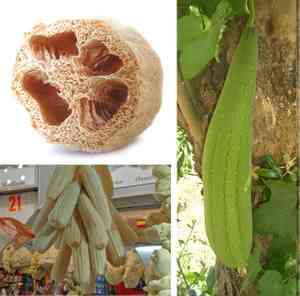
Loofah, a climbing gourd, yields sponge-like produce. Trimming methods include nipping off terminal buds to foster a denser form and eliminating discolored or ailing foliage to support robust development. The ideal period for pruning spans the active cultivation months: from spring to autumn. Strategic trimming can enhance fruit dimensions and boost air movement, which is crucial for averting fungal infections. Cultivators ought to don gloves when managing the prickly stalks and, for optimal fruit yield, discard superfluous blossoms, retaining just a select few for maturation.
What Are the Benefits of Pruning Loofah?
What Are the Benefits of Pruning Loofah?
Trimming loofah promotes robust development and maintains its form. Strategic cutting ensures energy is directed toward producing strong vines and fruits, while also keeping the plant manageable and visually appealing.
What Is the Best Time for Pruning Loofah?
What Is the Best Time for Pruning Loofah?
Pruning or trimming loofah during late spring and early summer is optimal due to several factors. This timing aligns with the post-harvest period when the plant has finished fruiting, which occurs from late summer to fall. Post-harvest pruning helps to maintain loofah's health and vigor by removing spent fruits and vines, reducing disease risk, and preparing the plant for the next growing season. Moreover, trimming in these seasons allows for recovery and new growth during the warmer months, which is the active growth period for the loofah. Pruning at this time encourages better air circulation and sun exposure, essential for the growth of healthy fruits in the next cycle. It is important to avoid pruning during late fall or winter as this could harm the plant during its dormant stage.
What Tools Do I Need to Prune Loofah?
Bypass Pruners
Perfect for making clean cuts on loofah's delicate stems without causing harm, ensuring healthy development.
Pole Pruners
Useful for reaching high loofah vines without needing a ladder.
Garden Scissors
Ideal for shaping and thinning loofah's foliage, especially in dense areas where precision is required.
Pruning Saw
Helpful when dealing with older, woodier parts of loofah that may have grown thicker than what bypass pruners can handle.
How to Prune Loofah
Remove Withered Leaves
Identify and carefully remove withered or dead leaves from loofah using clean, sharp pruning shears. Cut close to the main stem without damaging it to promote healthy growth and air circulation.
Disinfect Tools
After each cutting, disinfect your pruning shears with a solution of one part bleach to nine parts water to prevent the spread of any potential diseases within loofah.
Clean Up
Collect and dispose of all removed leaves and plant debris away from the loofah's growing area to decrease the likelihood of disease and pest infestation.
Inspect Plant
Thoroughly inspect the remaining loofah foliage for any signs of pests or diseases. This is essential after pruning as stressed plants can be more susceptible.
Monitor Growth
Observe loofah after pruning for new growth or any adverse reactions. Healthy pruning should encourage the growth of new, vigorous vines and improve overall fruit formation.
Common Pruning Mistakes with Loofah
Over-Pruning
Removing too much loofah foliage at once can stress the plant, potentially leading to fewer flowers or fruits. It is important to balance the plant's structure without overly reducing its leaf mass, which is crucial for photosynthesis.
Improper Technique
Using dull or dirty pruning tools can cause injury to loofah via jagged cuts or spreading disease. Clean, sharp tools are essential to make clean cuts that heal quickly.
Pruning Healthy Growth
Cutting away healthy vines and flowers can hamper loofahâs growth and reduce yield. Focus on removing only dead or damaged parts to maintain the plantâs vigor.
Neglecting Plant Structure
Failing to maintain an open structure for loofah can result in poor air circulation and sunlight penetration, which are vital for fruit development and disease prevention.
Common Pruning Tips for Loofah
Cleanliness
Before pruning loofah, ensure all tools are clean and sterilized to prevent the spread of disease. Alcohol or a bleach solution can be used for sterilization.
Selective Thinning
Thin out dense areas to improve air circulation and light exposure. This practice helps loofah produce larger fruits and reduces the risk of disease.
Cutting Technique
Make all cuts at a 45-degree angle, just above a node where a leaf attaches to the stem. This encourages new growth for loofah in the desired direction.
Maintenance Pruning
Regularly remove dead or damaged vines and any leaves that show signs of disease or pest infestation to keep loofah healthy and encourage new growth.



