How to Prune Chinese Fan Palm?
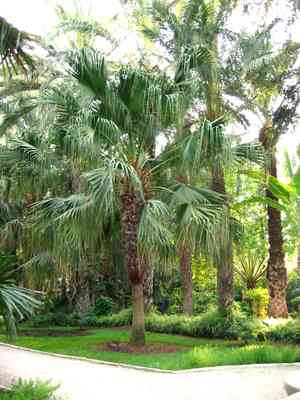
The chinese Fan Palm, a subtropical, gradually developing palm featuring expansive, circular foliage, flourishes optimally with minimal trimming. Only eliminate deceased or compromised fronds from the base, employing sanitized implements to avert the dissemination of pathogens. The most opportune period for pruning is late winter or early spring, prior to the onset of the growing period. Trimming improves air movement and diminishes environments conducive to pests. Refrain from over-cutting healthy green fronds, as this can enfeeble chinese Fan Palm and impede its growth pace.
What Are the Benefits of Pruning Chinese Fan Palm?
What Are the Benefits of Pruning Chinese Fan Palm?
Trimming chinese Fan Palm promotes robust development and maintains its desired form. Regular cutting eliminates dead fronds, fosters a neater canopy, and can lessen potential pest problems, contributing to the plant's overall well-being and aesthetic charm.
What Is the Best Time for Pruning Chinese Fan Palm?
What Is the Best Time for Pruning Chinese Fan Palm?
Pruning chinese Fan Palm from late winter to early spring is beneficial as this period aligns with the plant's dormancy concluding and its active growth phase commencing. Trimming prior to the spring growth surge can improve the health and look of chinese Fan Palm, enabling it to channel energy into new growth and quickly recover from any pruning-induced stress. Furthermore, pruning during this window helps prevent cutting off emerging flower clusters, which typically appear later in spring to summer. By removing dead or damaged fronds and any overcrowded growth at this time, gardeners can deter disease and pests, encourage more vigorous growth, and maintain chinese Fan Palm's fan-like canopy for aesthetic appeal without negatively impacting its flowering or fruiting cycles.
What Tools Do I Need to Prune Chinese Fan Palm?
Sharpened Hand Pruners
Ideal for snipping smaller, thinner fronds and can easily perform precise cuts without harming the chinese Fan Palm's delicate tissues.
Loppers
These offer greater leverage for thicker fronds and can reach a bit further into the canopy if needed. Their long handles and powerful blades make them suitable for medium-sized branches.
Pruning Saw
This allows for the removal of the chinese Fan Palm's thicker, woodier trunks or fronds that are too large for loppers to handle. It also assists in making clean cuts that encourage better healing.
Pole Pruner
For taller specimens of chinese Fan Palm, a pole pruner provides the extended reach necessary to safely trim fronds without using a ladder.
Gloves
Wearing gloves is crucial when pruning chinese Fan Palm to shield hands from sharp spines or rough frond edges.
How to Prune Chinese Fan Palm
Clean Tools
Sanitize pruning tools using rubbing alcohol or a solution of one part bleach to nine parts water to prevent the spread of disease to chinese Fan Palm.
Inspect
Carefully examine chinese Fan Palm for diseased and withered leaves. Diseased leaves may show discoloration, spots, or decay, while withered leaves are dry and brown.
Prune Diseased
Using sterilized shears, carefully cut away any diseased leaves from chinese Fan Palm at the base where the leaf stem meets the trunk or the next healthy part, being careful not to harm the trunk or nearby healthy leaves.
Prune Withered
Trim withered leaves from chinese Fan Palm in the same manner, making clean cuts to avoid tearing which can leave the plant susceptible to pests and diseases.
Dispose
Discard all removed material from chinese Fan Palm away from other plants to prevent the potential spread of pathogens. Do not compost diseased material.
Common Pruning Mistakes with Chinese Fan Palm
Over Pruning
Removing too many fronds, especially green ones, can stress chinese Fan Palm, diminishing its vigor and resilience.
Cutting Too Close
Trimming fronds too near the trunk may cause wounds that can lead to infections or pest infestations.
Using Dull Tools
Dull pruning tools can result in jagged cuts, which are more prone to disease and may damage chinese Fan Palm's trunk or stems.
Pruning Healthy Fronds
Removing healthy fronds unnecessarily can compromise chinese Fan Palm's photosynthetic capacity and overall health.
Ignoring Protective Gear
Not wearing gloves or eye protection can lead to injuries from chinese Fan Palm's sharp fronds.
Common Pruning Tips for Chinese Fan Palm
Selective Pruning
Focus on removing only dead or dying fronds to maintain the health and appearance of chinese Fan Palm, without hindering its growth.
Clean Cuts
Use sharp, sterilized pruning tools to make clean cuts, which aids in faster healing and reduces the risk of disease.
Angle Cuts
Make cuts at an angle to prevent water accumulation, which can promote rot and disease.
Consider Appearance
Prune to maintain the natural fan-like appearance of chinese Fan Palm, enhancing its visual appeal in the garden landscape.
Sanitize Tools
Clean and sterilize pruning tools before and after use to prevent the spread of pathogens to and from chinese Fan Palm.



