How to Prune Pine lily?
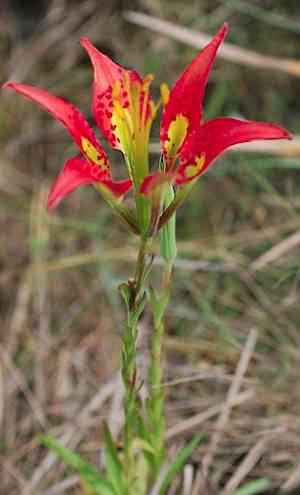
This eye-catching perennial, recognized for its vivid blossoms and affinity for marshy environments, pine lily thrives with limited trimming. Removing faded flowers encourages additional blooming and preserves its aesthetic. Following the flowering period, sever the stems near the soil level. Eliminate impaired or ailing foliage promptly upon discovery to sustain its well-being. The most suitable times for pruning are during spring or autumn to prevent heat-related strain. Appropriate pruning boosts vitality and the caliber of its blooms, guaranteeing pine lily's presentation continues to be a garden focal point.
What Are the Benefits of Pruning Pine Lily?
What Are the Benefits of Pruning Pine Lily?
Trimming pine lily can stimulate and improve blooming, promote vigorous growth, and maintain a desired, compact shape. Proper trimming contributes to the plant's health and visual appeal.
What Is the Best Time for Pruning Pine Lily?
What Is the Best Time for Pruning Pine Lily?
The optimal times for pruning or trimming pine lily are during the summer, following the blooming period, and late fall, as the plant enters dormancy. Summer pruning allows gardeners to remove faded flowers, which encourages reblooming and prevents the plant from expending energy on seed production. It's also a good time to shape the plant while it's actively growing. Late fall pruning is ideal as the plant's growth slows, reducing the risk of stressing it. It helps prepare pine lily for winter by removing any dead or diseased tissue, enhancing its overall health and vigor for the subsequent growing season. These periods ensure the plant conserves energy for crucial growth and bloom phases, and avoids unnecessary stress that could result from pruning at inappropriate times.
What Tools Do I Need to Prune Pine Lily?
Bypass Pruners
Bypass pruners are an essential tool for making clean cuts on pine lily's stems. They are designed like scissors and provide the precision needed to prune without crushing the stem, which can promote better health and timely regrowth.
Garden Snips
Garden snips are useful for deadheading pine lily and making minor trims to remove spent flowers or tidy up the plant. Their smaller blades provide control for delicate work without damaging nearby blooms.
Sharp Knife
A sharp knife, ideally a gardening knife, can be employed to divide pine lily's bulbs when they become overcrowded. A clean cut will prevent undue damage to the bulbs, setting the stage for healthy new growth.
How to Prune Pine Lily
Clean Disinfect
Before starting to prune pine lily, ensure your pruning tools are clean and disinfected to prevent the spread of diseases. Wipe the blades with a solution of 1 part bleach to 9 parts water or use alcohol wipes.
Remove Diseased Leaves
Carefully inspect pine lily for any leaves that show signs of disease. Carefully remove these leaves by snipping them off at the base where they meet the stem, taking care not to harm the stem itself.
Trim Withered Leaves
Identify any withered or yellowing leaves on pine lily. Use sharp pruners to make a clean cut to remove these leaves from the base to promote healthy growth and improve air circulation.
Deadhead Withered Flowers
After the blooms of pine lily have faded and withered, deadhead the flowers. Snip the flower stem below the spent flower and above the first set of healthy leaves. This encourages the plant to focus energy on root and foliage development.
Clean Up
Collect all the removed diseased and withered leaves and flowers from pine lily and discard them away from the garden to prevent the spread of any potential pathogens. Clean your tools again after you finish pruning.
Common Pruning Mistakes with Pine Lily
Overpruning
Removing too much foliage can stress pine lily, leading to weak growth or reduced flowering. This plant benefits from minimal pruning, and overdoing it can be detrimental.
Improper cut locations
Cutting pine lily in the wrong place can cause damage to the stems, inviting diseases or pests. Pruning should always be done above a node where new growth can emerge.
Using dull tools
Utilizing dull or unclean tools can damage the plant tissue, making pine lily susceptible to infections. Always use sharp, sterilized pruning equipment.
Neglecting deadheading
Not removing spent flowers, a process called deadheading, can prevent pine lily from producing as many blooms, as the plant can start focusing its energy on seed production.
Common Pruning Tips for Pine Lily
Minimal interference
Given pine lily's growth habit, it requires little pruning. Remove only the damaged or diseased parts, and allow the plant to develop naturally.
Post blooming
For healthier plants, it's ideal to prune pine lily after flowering has completed, as this encourages new growth for the next season without interfering with the current flowering cycle.
Clean cuts
Make clean cuts to prevent damage to pine lily and to promote faster healing. Use sharp, sterilized shears and make angled cuts to avoid water accumulation on the cut surface.
Supportive staking
Instead of pruning for size control, provide stakes or supports for pine lily to maintain their upright position and encourage vertical growth. This avoids unnecessary stress from pruning.



