How to Prune Waxyleaf privet?
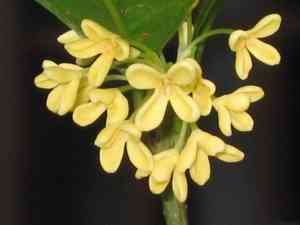
A favored evergreen bush, Ligustrum japonicum is recognized for its lustrous foliage and dense structure. Initiate the trimming of Ligustrum japonicum in early spring prior to the emergence of new shoots or throughout its winter resting period. Shear to sculpt, eliminating deceased, impaired, or excessively long branches to control its dimensions and foster robust leaves. Reducing the density of older stalks enhances light penetration and air movement, thereby boosting the plant's vigor. Consistent trimming also stimulates more compact development and can revitalize an older shrub, preserving its aesthetic value.
Advantages of Trimming Waxyleaf Privet
Advantages of Trimming Waxyleaf Privet
Trimming waxyleaf privet promotes abundant flowering and boosts its resilience to pests and illnesses, supporting its overall health and vitality. Strategic cuts manage its size and preserve its desired shape.
Optimal Time for Trimming Waxyleaf Privet
Optimal Time for Trimming Waxyleaf Privet
Trimming waxyleaf privet in early spring is ideal as it occurs before new growth begins, allowing the plant to recover from cuts without diverting energy from developing leaves and blossoms. This timing also prevents the removal of new buds set to bloom in the upcoming growing season. Winter trimming is beneficial because waxyleaf privet is dormant, and energy reserves are not focused on active growth, reducing plant stress. It also offers an unobstructed view of the plant's structure, enabling more precise cuts without leaf obstruction. Furthermore, the absence of active pests and diseases during this cold period minimizes the risk of infestations or infections at pruning sites.
Tools Required for Trimming Waxyleaf Privet
Hand Pruners
Perfect for cutting stems and small branches up to 3/4 inch thick; crucial for precise cuts to shape waxyleaf privet and maintain plant health.
Lopping Shears
Useful for slightly larger branches, typically up to 1 1/2 inches in diameter; helps manage waxyleaf privet's density and promotes air circulation.
Hedge Shears
Excellent for trimming and shaping hedges; allows gardeners to give waxyleaf privet a neat, uniform appearance.
Pruning Saw
Essential for removing larger branches over 1 1/2 inches thick; it ensures clean cuts, reducing potential harm to waxyleaf privet.
Pole Pruner
Effective for reaching higher or deeper branches without a ladder; ensures safe and strategic trimming of waxyleaf privet.
How to Trim Waxyleaf Privet
Sanitize Tools
Clean pruning tools to prevent disease spread. Disinfect shears with rubbing alcohol or a 10% bleach solution before and after use on waxyleaf privet.
Remove Diseased Parts
Carefully remove any diseased or withered leaves from waxyleaf privet, ensuring not to harm healthy foliage. Trim diseased branches by cutting them back to healthy tissue.
Dead Branches Removal
Cut dead branches at their base near the main trunk of waxyleaf privet, using sharp, clean tools to leave a smooth cut that heals quickly.
Trim Excessive Growth
Trim overly long branches on waxyleaf privet to maintain a desired size or shape. Use thinning cuts to remove entire branches to their origin point to improve light and air circulation.
Prune Flower
Remove spent flowers from waxyleaf privet to encourage new blooms and to prevent self-seeding if not desired. Cut just above a leaf set or a branching point.
Common Trimming Errors with Waxyleaf Privet
Over-Pruning
A common error is removing too much foliage at once, which can stress waxyleaf privet and potentially lead to poor growth or dieback. Aim to trim no more than one-third of the plant at a time.
Improper Cuts
Incorrect cutting technique can harm waxyleaf privet. Cuts should be made at a 45-degree angle just above an outward-facing bud or branch to encourage proper growth and prevent water accumulation that can lead to disease.
Neglecting Tools
Using dull or dirty pruning tools can result in jagged cuts that are susceptible to pests and disease. Always use sharp, clean pruning tools to make clean cuts.
Pruning For Size Only
Focusing solely on controlling waxyleaf privet's size without considering shape and health can result in an unattractive plant that doesn't flower optimally. Pruning should also aim to maintain the plant's natural form and vigor.
Ignoring Deadwood
Failing to regularly remove dead or diseased wood can hinder new growth and make waxyleaf privet more vulnerable to pests and diseases. Regular inspection and removal of problematic branches are crucial.
General Trimming Advice for Waxyleaf Privet
Selective Thinning
To maintain waxyleaf privet's health and appearance, selectively thin out the oldest stems to allow light and air to reach the inner foliage, which encourages new growth and flowering.
Rejuvenation Pruning
If waxyleaf privet becomes overgrown or leggy, consider rejuvenation pruning by cutting back severely. This will stimulate new, vigorous growth but should not be done too frequently.
Shape Maintenance
Carefully trim waxyleaf privet's outline to maintain its desired shape, whether formal or informal. Always step back periodically to check the overall form as you prune.
Heading Back
Trimming the tips of branches, or 'heading back,' encourages bushier growth and can be used to promote a denser, fuller waxyleaf privet.
Successive Pruning
Instead of a single heavy pruning session, perform lighter, successive prunings throughout the growing season to gently shape waxyleaf privet without causing significant stress.



