How to Prune English lavender?
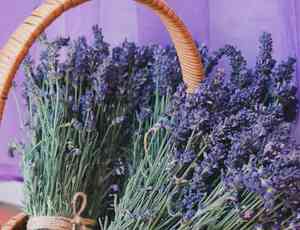
Recognized for its fragrant leaves and violet blossoms, english lavender flourishes with consistent trimming. The essential method entails reducing its size by one-third following blooming to encourage dense development and avert a woody texture. Ideal periods for pruning are after flowering in spring and once more in early autumn, steering clear of severe winter cuts. Trimming english lavender stimulates more vigorous flowering and preserves plant well-being by lowering the chance of illness.
What Are the Benefits of Pruning English Lavender?
What Are the Benefits of Pruning English Lavender?
Trimming english lavender promotes vigorous new development, resulting in abundant blooms. Strategic cutting back helps maintain an appealing form and prevents excessive growth, keeping the english lavender healthy and well-structured for garden aesthetics.
What Is the Best Time for Pruning English Lavender?
What Is the Best Time for Pruning English Lavender?
Pruning in late winter or early spring, just before active growth begins, helps in shaping english lavender and removing any dead or damaged growth accumulated over winter. This timing allows for the promotion of vigorous new growth in the upcoming season. A second trim after the first flowering in late June or July is recommended to stimulate a second bloom and maintain compact, dense growth.
What Tools Do I Need to Prune English Lavender?
Hand Pruners
For precise cutting of individual stems and the removal of dead or old wood without damaging the structure of english lavender, ergonomic bypass pruners are ideal because they make clean cuts and minimize harm to the plant's living tissue.
Shears
Hedge shears or grass shears allow for shaping english lavender and trimming back foliage evenly, which is essential for maintaining the compact, rounded form that is characteristic of healthy english lavender plants.
Pruning Saw
A compact folding saw can be used for older english lavender plants that have developed thicker, woodier stems that are too large for hand pruners to cut through. It is useful for rejuvenation pruning by removing older wood to encourage new growth.
How to Prune English Lavender
Step1: Timing for Pruning
Wait for the appropriate time to prune english lavender, which is after flowering has finished, typically late summer to early fall. Pruning too late can lead to frost damage on new growth.
Step2: Pruning Tool Preparation
Prepare your pruning tools. Use sharp, clean bypass pruners or secateurs to make precise cuts and avoid damaging the plant.
Step3: Removing Spent Flowers
Begin with old flowers. Trim off spent flower stems just above the first set of leaves below the flower to encourage a second flush of blooms and prevent english lavender from investing energy into seed production.
Step4: Eliminating Dead Stems
Continue to dead stems. Remove any dead or dying stems to maintain healthy growth and improve air circulation within the plant. Cut these stems back to the plant's base, taking care not to cut into the woody base if it still has live green shoots.
Step5: Pruning Woody Growth
Address the woody parts. To prevent english lavender from becoming too woody and encourage lush, new growth, cut back woody stems by about one-third of their length, ensuring you're cutting just above a fresh set of leaves.
Step6: Shaping the Plant
Shape english lavender by selectively pruning leggy or overgrown stems to maintain a compact, rounded form. Always cut above a set of leaves to avoid leaving bare stem tips.
Step7: Cleanup Post-Pruning
After pruning, clean up all cut material from around the base of english lavender to prevent disease and pest infestation.
Step8: Post-Prune Watering and Fertilization
Water english lavender lightly if the soil is dry and apply a balanced, slow-release fertilizer to support recovery and new growth after pruning.
Post-Pruning Care for English Lavender
Post-Pruning Care for English Lavender
Immediately after pruning english lavender, water thoroughly, ensuring soil moisture is consistent without waterlogging. Place english lavender in a sunny location with good air circulation to promote healing. Maintain a temperate environment, avoiding extremes. Fertilize lightly with a balanced, slow-release fertilizer to support regrowth. Regularly monitor english lavender for wilt or discoloration, indicative of stress or disease. Promptly remove any affected parts and treat with appropriate fungicides if infection is suspected.
Common Pruning Mistakes with English Lavender
Over pruning to the woody base
Pruning english lavender too severely, which can damage the plant or inhibit its growth. English lavender should not be cut back to the woody base as it may not readily regenerate from old wood.
Using dull or dirty pruning tools
Not using clean, sharp tools for pruning english lavender, which can lead to ragged cuts and possible disease entry points.
Ignoring plant's natural shape while pruning
Pruning english lavender without considering the plant's natural shape, leading to an unnatural appearance and potential for reduced flowering.
Common Pruning Tips for English Lavender
Angled cuts above leaf nodes for growth
Make angled cuts just above a leaf node or set of leaves when pruning english lavender to encourage new growth from these points.
Remove spent flowers to boost blooming
Remove any dead or fading flowers from english lavender throughout the blooming season to promote continuous flowering.
Thin out older stems to improve air flow
Thin out crowded growth by removing some of the older stems at the base to maintain good air circulation and ensure the health of english lavender.
Water and fertilize after pruning
After pruning english lavender, provide adequate water and possibly a light fertilizer to support recovery and new growth.



