How to Prune Bottle gourd?
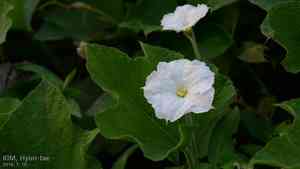
Celebrated for its elongated, consumable produce, bottle gourd necessitates regular trimming to encourage robust development. The primary method entails judiciously shortening excessive tendrils and eliminating compromised or ailing sections, thereby improving air movement and fruit dimensions. Appropriate pruning is most effective from the beginning of spring until the close of autumn, aligning with periods of vigorous growth. Advantages encompass increased fruit yield and protection against ailments, crucial for the plant's well-being. Cultivators ought to prune thoughtfully to preserve the plant's form and output.
What Are the Benefits of Pruning Bottle Gourd?
What Are the Benefits of Pruning Bottle Gourd?
Trimming bottle gourd promotes robust development and maintains its form. Strategic cuts enhance sun exposure and air movement, crucial for healthy growth. Regular trimming also helps manage size, making bottle gourd easier to handle and more visually appealing.
What Is the Best Time for Pruning Bottle Gourd?
What Is the Best Time for Pruning Bottle Gourd?
Pruning bottle gourd in early spring is recommended as the plant is still dormant, minimizing stress and encouraging strong growth once the season begins. Removing dead or diseased parts at this time fosters a healthier plant structure. Late fall, post-harvest, is also suitable for pruning bottle gourd, preparing it for winter dormancy and reducing pest and disease risks from dead or injured tissue. Avoid pruning during flowering and fruiting to prevent diminishing bottle gourd's yield.
What Tools Do I Need to Prune Bottle Gourd?
Bypass Pruners
Perfect for making precise cuts on the thinner stems and vines of bottle gourd, bypass pruners operate like scissors, causing less harm to plant tissues.
Garden Shears
Useful for trimming larger stems or overgrown foliage of bottle gourd, garden shears offer a broader cutting surface and can manage tougher plant material.
Pruning Saw
For mature or woody sections of bottle gourd too thick for pruners or shears, a small pruning saw can make accurate cuts without damaging the plant.
Gloves
Protective gloves are essential when pruning bottle gourd to prevent any cuts or skin irritation from the plant's sap.
How to Prune Bottle Gourd
Step1: Tool Sterilization
Sanitize your tools. Before beginning the pruning process, ensure your pruning shears or scissors are clean and sharp to prevent disease transmission to bottle gourd. Sterilize tools using a solution of 1 part bleach to 9 parts water or rubbing alcohol.
Step2: Damaged Growth Identification
Identify the sections of bottle gourd that need trimming. Look for yellow leaves and withered branches, clear indicators that they no longer benefit the plant's growth and should be removed.
Step3: Yellow Leaf Removal
Trim yellow leaves. Carefully locate yellow leaves throughout the plant. With clean cuts, remove yellow leaves where they connect to the stem, being careful not to harm nearby healthy leaves or stems.
Step4: Withered Branch Trimming
Remove withered branches. Identify branches that are dry, brittle, or withered. Make cuts at the base of these branches, close to the main stem, cutting at a 45-degree angle to promote healing and prevent water accumulation on the cut surface.
Step5: Foliage Thinning for Plant Health
Thin out dense foliage. If part of the trimming involves managing plant size or improving air circulation, selectively remove some healthy but excess branches. Thin out the densest areas to allow light and air to penetrate more effectively, promoting healthier growth.
Step6: Diseased Material Disposal
Discard removed material. Collect all yellow leaves and withered branches cut from bottle gourd. Dispose of them properly to prevent disease spread to other plants or back to bottle gourd. Do not compost diseased or infested plant material.
Step7: Post-Pruning Plant Care
Monitor and water bottle gourd. After pruning, observe bottle gourd for signs of stress. Proper watering post-pruning can help bottle gourd recover and encourage new growth. Adjust the watering schedule based on the plant's response and climate conditions.
Step8: Post-Pruning Tool Cleaning
Clean tools after use. Once pruning is complete, clean and sterilize your tools again to prevent the spread of any pathogens to other plants in your garden.
Post-Pruning Care for Bottle Gourd
Post-Pruning Care for Bottle Gourd
Immediately after pruning bottle gourd, ensure clean cuts for quick healing. Optimal conditions include bright but indirect light, moderate humidity, and temperatures between 18-25°C. Apply a balanced, water-soluble fertilizer to support new growth, reducing dosage to prevent over-nourishment. Observe for wilted or yellowing leaves, indicating stress or infection. If signs appear, review watering practices and check for pests or diseases, acting swiftly with appropriate treatments.
Common Pruning Mistakes with Bottle Gourd
Excessive Pruning Reduces Foliage and Fruit
Over-trimming can harm bottle gourd, as removing too much foliage can stress the plant and decrease fruit production.
Unsterilized Tools May Spread Diseases
Failing to sterilize pruning tools beforehand can introduce diseases to bottle gourd, potentially impacting the plant's health.
Improper Cutting Damages Growth Points
Cutting too close to the main stem or fruit nodes can damage bottle gourd's growth points and potentially invite infections.
Not Pruning Dead Branches Hinders Health
Ignoring weak, diseased, or dead branches can impede bottle gourd's healthy growth and airflow, which is crucial for preventing fungal diseases.
Inadequate Pruning Techniques Slow Healing
Using incorrect pruning methods, such as tearing or making jagged cuts, can harm bottle gourd's vines and delay healing.
Common Pruning Tips for Bottle Gourd
Use Sharp Shears for Clean Cuts
Utilize sharp, clean pruning shears to make precise cuts that will heal quickly and minimize infection risk for bottle gourd.
Prune for Shape and Airflow
Trim to shape the vine and promote better air circulation; this involves selectively removing some leaves and lateral branches without stripping the plant too bare.
Angle Cuts for Healthy Healing
When thinning out the vines, make careful cuts at a 45-degree angle just above a leaf node to encourage proper healing and prevent water accumulation.
Remove Only Damaged Plant Parts
Focus on removing only weak, damaged, or diseased parts of bottle gourd to maintain the plant's health and productivity.
Regular Pruning Optimizes Fruit Development
Regularly inspect bottle gourd after periods of growth to determine if selective trimming is needed to optimize fruit development and vine health.



