How to Prune Golden-rain tree?
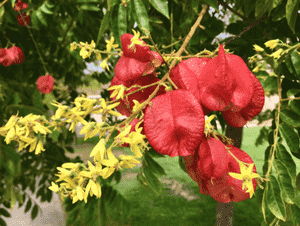
The Koelreuteria paniculata, recognized for its appealing leaves and bunches of bright yellow blossoms, greatly benefits from trimming in late winter or early spring, right before new shoots emerge. Effective pruning entails excising deceased or compromised limbs, reducing dense sections to enhance light exposure and air movement, and sculpting the crown to preserve its structural soundness. This method boosts the tree's general well-being, capacity for blooming, and visual charm, simultaneously averting subsequent harm from excessive development.
What Are the Benefits of Pruning Golden-rain Tree?
What Are the Benefits of Pruning Golden-rain Tree?
Trimming golden-rain tree encourages robust new development and maintains its desired form. Consistent cutting helps control its size and promotes a stronger, more visually appealing canopy, crucial for this often fast-growing species.
What Is the Best Time for Pruning Golden-rain Tree?
What Is the Best Time for Pruning Golden-rain Tree?
Late winter and early spring are ideal times for pruning golden-rain tree due to several reasons. During these periods, golden-rain tree is dormant, meaning sap flow is reduced. This dormancy minimizes stress and sap leakage, which can occur if pruning happens during active growth. Additionally, pruning before new spring growth allows for effective shaping and removal of dead or damaged branches. This timing also precedes golden-rain tree's flowering, enhancing its appearance and vitality without sacrificing blooms.
What Tools Do I Need to Prune Golden-rain Tree?
Bypass Pruners
Perfect for making clean cuts on smaller branches of golden-rain tree, helping prevent tissue damage. Bypass pruners are suitable for branches up to 1/2 inch thick and offer precise control.
Loppers
Good for cutting thicker branches, up to 1.5 inches in diameter. The long handles provide leverage for easier cutting, ideal for reaching higher or deeper branches in golden-rain tree's canopy.
Pruning Saw
Essential for removing branches over 1.5 inches thick. A pruning saw can handle larger, tougher branches that may develop in mature golden-rain tree, ensuring clean cuts without tearing bark.
Pole Pruner
Useful for accessing higher branches without a ladder. This is especially important for managing the height and maintaining the shape of taller golden-rain tree specimens.
How to Prune Golden-rain Tree
Inspection
Thoroughly examine golden-rain tree's entire canopy, focusing on identifying any dead or diseased branches. Look for signs like discoloration, brittle branches that break easily, or any fungal growths.
Sanitation
Before pruning golden-rain tree, clean and sterilize all tools. Use a bleach and water solution or rubbing alcohol to prevent disease spread between plants during pruning.
Pruning dead
Carefully remove all dead branches from golden-rain tree. Use sharp secateurs or a pruning saw, depending on branch thickness. Make each cut where the dead branch meets healthy tissue, using an angled cut to aid water runoff and prevent decay.
Pruning diseased
Prune all diseased branches from golden-rain tree, cutting back to healthy tissue. Ensure the entire affected area is removed to prevent further disease spread. Immediately dispose of diseased material in sealed bags to avoid contaminating other areas.
Cleanup
After pruning, clear all fallen debris around golden-rain tree, including leaves, twigs, and branches, to maintain a tidy environment and reduce pest and disease risks. Resterilize your tools afterward.
Common Pruning Mistakes with Golden-rain Tree
Over-pruning
A frequent error is removing too much foliage from golden-rain tree at once, which can stress the tree and lead to weak growth or reduced flowering. It's recommended not to remove more than one-third of the tree's canopy in a single pruning session.
Improper tool use
Using dull or unclean pruning tools can damage golden-rain tree branches, leading to jagged cuts that heal poorly and may attract pests and diseases. Always use sharp, clean pruning tools.
Flush cutting
Cutting branches flush against the trunk removes the branch collar, an area containing cells vital for the tree's healing process. This mistake can result in large wounds that don't seal properly, increasing disease risk.
Common Pruning Tips for Golden-rain Tree
Correct technique
Make pruning cuts just outside the branch collar, not flush with the trunk. This preserves the collar, which helps the tree heal more effectively and quickly after pruning.
Structural pruning
Focus on removing crossing or rubbing branches and thinning dense areas to improve air circulation and light penetration throughout golden-rain tree's canopy. This enhances the tree's overall health and appearance.
Maintenance pruning
Regularly remove any dead, damaged, or diseased branches to maintain golden-rain tree's health. This type of pruning can be done as needed throughout the year to keep the tree vigorous and attractive.



