How to Prune Guest tree?
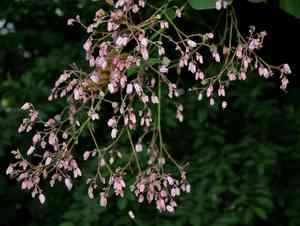
The guest tree, a tropical evergreen recognized for its expansive crown, flourishes with deliberate trimming to preserve its form and stimulate development. Conduct pruning in winter while the tree is inactive, eliminating deceased or excessively long branches to improve air movement. Reducing the density of the canopy aids in averting ailments. Consistent pruning additionally fosters blooming and fruit production, guaranteeing the tree continues to be an appealing sanctuary for local fauna. This procedure, while advantageous for general well-being, requires meticulous execution to prevent undue harm.
What Are the Benefits of Pruning Guest Tree?
What Are the Benefits of Pruning Guest Tree?
Trimming guest tree promotes robust development and helps maintain its desired form. Strategic cuts encourage a strong framework, allowing it to revitalize and flourish.
What Is the Best Time for Pruning Guest Tree?
What Is the Best Time for Pruning Guest Tree?
Winter is considered ideal for pruning guest tree as it's typically the plant's dormant period. Pruning during dormancy minimizes stress on guest tree since it's not actively growing, thus enhancing recovery and regrowth in the subsequent season. Winter pruning also allows the gardener to better view guest tree's structure without leaves, ensuring more precise cuts. It aids in managing the plant's size, removing any dead or diseased wood, and encourages a burst of new growth in spring. Additionally, since guest tree flowers or fruits have not yet formed, pruning at this time avoids cutting off developing blooms or fruits that might occur if pruned during active growing seasons.
What Tools Do I Need to Prune Guest Tree?
Hand Pruners
Perfect for making clean cuts on smaller branches and twigs of guest tree. They are ideal for trimming stems up to about 3/4 inch in diameter.
Lopping Shears
These are essential for cutting through thicker branches, typically between 1 1/2 inches in diameter, which may be too large for hand pruners. The long handles also provide leverage to make cuts easier.
Pruning Saw
For branches and limbs exceeding 1 1/2 inches in thickness, a pruning saw with fine teeth is preferred. It allows for accurate cutting without harming guest tree's main structure.
Hedge Shears
If shaping is necessary for maintaining guest tree's desired appearance, hedge shears can be used to evenly trim and shape the foliage.
Pole Pruner
For elevated branches that are out of reach, a pole pruner enables safe pruning of guest tree without needing a ladder.
Gloves and Safety Glasses
To safeguard the gardener's hands and eyes from injury during the pruning process.
How to Prune Guest Tree
Clean tools
Sanitize pruning tools with isopropyl alcohol or a 10% bleach solution to prevent disease spread during guest tree pruning.
Identify
Inspect guest tree to locate dead or diseased branches. Dead branches will feel brittle and lack green under the bark when scratched, and diseased branches may show discoloration, unusual growths, or visible signs of pest damage.
Prune dead
Using sharp, sterilized pruning shears, carefully cut dead branches at a 45-degree angle, just above a healthy bud, node, or lateral branch. Avoid tearing the bark or leaving stubs, as this can harm guest tree.
Prune diseased
Remove diseased branches by making clean cuts well below the affected areas. If a major limb is diseased, a saw may be necessary. Dispose of diseased material immediately to prevent contamination of other parts of guest tree.
Disinfect
After removing dead or diseased branches, sanitize tools again to avoid spreading pathogens to other plants or during future prunings of guest tree.
Common Pruning Mistakes with Guest Tree
Overpruning
Removing too much foliage at once can stress guest tree, leading to weakened defenses and potential dieback.
Improper cut location
Cuts made too close or far from the main branch can result in stubs or damage the collar, hindering proper healing.
Tearing bark
Incorrect cutting angles may cause the bark to tear, increasing the risk of disease and pest infestation.
Using dull tools
Dull pruning tools crush rather than cut branches, damaging guest tree's tissues and impeding recovery.
Neglecting sanitization
Failing to sanitize cutting instruments can transfer pathogens between plants, potentially spreading disease to guest tree.
Pruning during active growth
Pruning guest tree when it's actively growing can interrupt energy production and reduce flowering potential.
Common Pruning Tips for Guest Tree
Angle your cuts
Make clean, angled cuts to prevent water accumulation and promote rapid healing without damaging the guest tree's stem collar.
One third rule
Limit pruning to remove no more than one-third of the canopy at once to maintain guest tree's vigor and minimize stress.
Clean tools
Use sharp, sanitized tools to create smooth cuts that heal quickly, reducing the risk of infection in guest tree.
Identify branch state
Prune dead, diseased, or weak branches first to improve guest tree's overall health and enhance its aesthetic appeal.
Thin out densely packed areas
Thin out crowded branches to increase light penetration and air circulation, which will benefit guest tree's growth and bloom production.
Retain natural shape
Conform to guest tree's natural growth habit when pruning, encouraging a balanced form and strong structure.



