How to Prune Senegal mahogany?
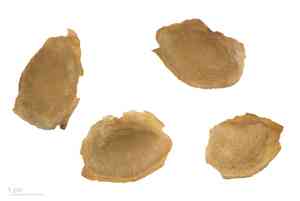
Celebrated for its resilient wood, senegal mahogany flourishes with appropriate trimming. Perform pruning during its winter resting period for vigorous development. Eliminate lifeless or ailing limbs, thin crowded sections to boost air movement, and sustain a solitary central stem to avert structural deficiencies. Trimming improves the tree's well-being and produces superior timber. Limit removal to no more than one-third of the crown to prevent strain.
What Are the Benefits of Pruning Senegal Mahogany?
What Are the Benefits of Pruning Senegal Mahogany?
Trimming senegal mahogany encourages robust development and maintains its desired form. Thoughtful branch removal ensures energy is directed to healthy limbs, fostering a denser canopy and a structurally sound tree.
What Is the Best Time for Pruning Senegal Mahogany?
What Is the Best Time for Pruning Senegal Mahogany?
From late winter to early spring, senegal mahogany is dormant, which is the optimal period for pruning. The plant's sap levels are reduced, minimizing sap loss and stress from cuts. Pruning at this time also allows wounds to heal before new spring growth, significantly lowering the risk of pest and disease infestation. Trimming during dormancy also offers the gardener better visibility of the tree's structure, as foliage is minimal. This enables precise cuts for shaping the tree, removing dead or diseased wood, and promoting a strong structure for healthy growth in the next season. Avoid pruning in fall as cuts heal slower, increasing susceptibility to decay.
What Tools Do I Need to Prune Senegal Mahogany?
Hand Pruners
Perfect for making precise cuts on small branches (up to 3/4 inches in diameter) of senegal mahogany. They provide clean cuts that promote rapid healing.
Loppers
Offer leverage to cut through branches between 3/4 inches and 1 1/2 inches in diameter. Suitable for reaching higher branches without a ladder.
Pruning Saw
Essential for removing larger branches over 1 1/2 inches in diameter. The saw allows for cutting without harming the trunk or main limbs of senegal mahogany.
Pole Pruner
Useful for cutting branches that are out of reach from the ground. It must be used carefully to avoid tearing the bark of senegal mahogany.
Chainsaw
Only advised for removing very large limbs or when felling senegal mahogany. It should be operated by a professional due to safety concerns.
How to Prune Senegal Mahogany
Clean tools
Sanitize pruning tools prior to use to prevent disease spread. Use alcohol or a bleach-water solution to thoroughly clean blades.
Inspect tree
Examine senegal mahogany for dead or diseased branches. Look for branches that are discolored, have unusual growths, or show signs of decay.
Cut dead branches
Using sharp, clean pruning shears, cut dead branches where they meet healthy wood. Make the cut just outside the branch collar to encourage proper healing.
Prune diseased branches
Remove diseased branches by cutting them at least several inches into healthy wood to ensure all affected parts are eliminated. Dispose of these branches properly to prevent contaminating compost or other plants.
Cleanup
Clear away all debris from pruning, including leaves, twigs, and branches, to reduce the risk of infection or pest infestation. Dispose of or destroy any diseased material.
Common Pruning Mistakes with Senegal Mahogany
Overpruning
Removing too much foliage at once can stress senegal mahogany, leading to poor growth and increased susceptibility to diseases.
Improper cut location
Cutting too close to the trunk or leaving too long a stub can cause improper healing and invite pathogens.
Using dull tools
Dull pruning tools can damage senegal mahogany's branches, leading to jagged cuts that are more prone to disease.
Neglecting sanitation
Not sterilizing tools between cuts can spread disease through senegal mahogany, particularly if pruning diseased wood.
Flush cutting
Cutting branches flush against the trunk can damage senegal mahogany's protective bark and growth collars, hindering the healing process.
Stripping
Pulling off lower branches (known as stripping) can cause unnecessary wounds and stress senegal mahogany.
Common Pruning Tips for Senegal Mahogany
Selective pruning
Remove only the branches that are dead, diseased, or crossing to improve air circulation and light penetration for senegal mahogany.
Sharp tools
Use sharp, clean pruning tools to make clean cuts that senegal mahogany can heal from more easily.
Three cut method
For larger branches, utilize the three-cut method to prevent bark tearing and ensure a clean cut without damaging senegal mahogany.
Nurturing main branches
Focus on nurturing a strong scaffold structure by selectively pruning competing branches, thus enhancing senegal mahogany's shape and structural integrity.
Observation first
Always inspect senegal mahogany thoroughly before starting to prune to strategically plan which branches need to be removed.
Healing time
Allow time for senegal mahogany to heal after pruning by refraining from excessive additional maintenance in the pruned areas.



