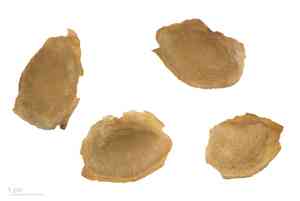
Senegal mahogany (Khaya senegalensis)
Also known as: Benin mahogany
The Vitex doniana is a tree indigenous to the tropical areas of West Africa. When its fruit ripens, it transitions from gray to black and releases winged seeds that are carried by the wind. The wood of Vitex doniana is versatile and employed in interior trimming, construction, carpentry, and as a source of fuel.
In This Article
Attributes of Senegal mahogany
Lifespan
Perennial
Plant Type
Tree
Plant Height
30 m
Spread
20 m
Leaf Color
Green
Flower Size
Small, around 1 cm
Flower Color
White Yellow Green Cream
Images of Senegal mahogany
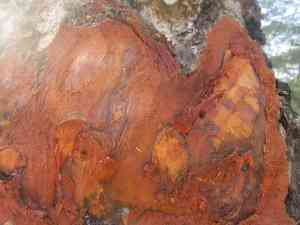
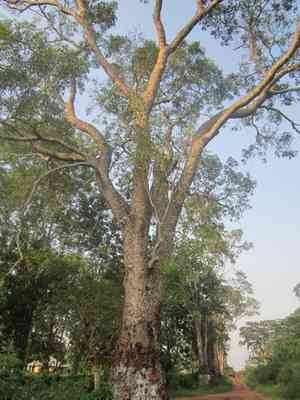
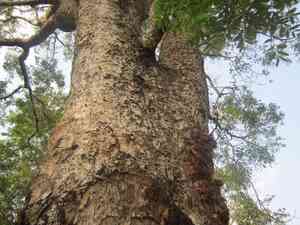
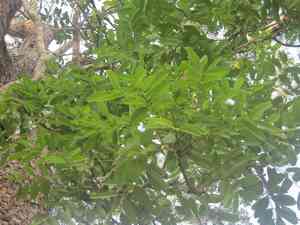
Quickly Identify Senegal mahogany
1
The tree can be identified by its dark, scaly bark and large, glossy, pinnate leaves. The fruit capsules are large and woody, containing numerous winged seeds.
Scientific Classification of Senegal mahogany
Phylum
Vascular plants
Class
Dicotyledons
Order
Sapindales
Family
Mahogany
Genus
Khaya
Species
Senegal mahogany
Planting and Growing of Senegal mahogany
Care Difficulty
Moderate
Watering Schedule
Every 3 days
Sunlight Requirements
Full sun
Sunshine Duration
4-8 hours
Ideal Temperature
68-86℉
Soil Type
Potting Mix, Peat Mix
Soil pH
6.5-7.5
Fertilizer Type
Balanced
Pruning Season
Spring, Summer
Pruning Area
Branches, Leaves
Pruning Frequency
2 times a year
Repotting Season
Spring
Pot Type
Plastic, Ceramic
 How to Water Senegal mahogany?
The Khaya senegalensis tree prefers consistent moisture levels in its soil. Aim for approximately 500 ml of water per session, ensuring the soil is thoroughly moistened but not waterlogged. Utilize the 'soak and dry' method, allowing the top inch of soil to dry out between watering sessions.
What are the symptoms of an underwatered Senegal mahogany?
›
What should I do if my Senegal mahogany is not getting enough water?
›
What are the symptoms of an overwatered Senegal mahogany?
›
How to save an overwatered Senegal mahogany?
›
 What Are the Sunlight Requirements for Senegal mahogany?
Khaya senegalensis performs best under full sun and can adapt to partial sun, needing 8 to 10 hours of exposure. Ideal lighting enhances photosynthesis, boosting growth and fortitude against adverse conditions, ensuring a luxuriant, sturdy plant.
More About Sunlight Requirements Techniques→
How much light does Khaya senegalensis need?
›
What are the solutions to provide ideal lighting?
›
What are the benefits of ideal lighting for Khaya senegalensis?
›
 What Is the Ideal Temperature Range for Senegal mahogany?
For optimal growth, Khaya senegalensis thrives best in temperatures ranging from 68°F to 86°F. This range provides a conducive environment for photosynthesis and other physiological processes crucial for plant health. It is particularly important for young trees to be supported by such stable temperatures for proper development and growth.
 What Soil is Best for Senegal mahogany?
Khaya senegalensis thrives in nutrient-rich soil that provides an abundance of essential minerals. This helps in promoting robust growth and ensures the tree maintains its lush foliage. The tree demands well-drained soil to prevent waterlogging, which can lead to root rot. Efficient drainage enhances root aeration and health, pivotal for the tree's longevity. While drainage is crucial, the soil should also retain enough moisture to sustain the plant during dry periods, balancing hydration and aeration effectively.
 How to Fertilize Senegal mahogany?
Khaya senegalensis requires a balanced approach to fertilization. For liquid fertilizers, a concentration of 50% of the recommended dose is often sufficient to maintain healthy growth and foliage. For slow-release fertilizers, apply approximately 100 grams per square meter annually.
 How to Prune Senegal mahogany?
Begin by cutting away any dead or diseased branches. These are non-productive parts that can sap energy from the healthier areas of the tree. Trim to establish or maintain a desirable shape. This often involves cutting back branches that disrupt the natural balance and aesthetics of the tree. Thinning congested areas within the canopy is important for air circulation and light penetration. This promotes a healthier, less disease-prone environment. Khaya senegalensis doesn't require excessive cutting. Over-pruning can stress the tree and lead to poor growth or vulnerability to pests and diseases.
More About Pruning Techniques→
 How to Propagate Senegal mahogany plant?
1
Collect seeds from mature Khaya senegalensis trees. Clean them to remove pulp and air dry them before planting to improve germination rates.
2
Fill pots or trays with a well-draining potting mix. Sow the seeds about half an inch deep. Ensure the soil remains slightly moist but not waterlogged.
3
Place pots in a warm, bright location. Ensure the temperature is consistently between 25-30°C for faster germination. Avoid direct sunlight.
 How to Repot Senegal mahogany plant?
1
Khaya senegalensis shows it's time to repot when its roots start growing out of the drainage holes or the growth appears stunted. Typically, this occurs every 2 to 3 years. Observing the plant for these signs is crucial to ensure it has enough space to continue thriving.
2
Select a pot that is one size larger than the current one to allow room for growth. It's vital that the pot has drainage holes to prevent waterlogging, which can lead to root rot. The right pot not only supports the plant’s health but also accentuates its natural beauty.
3
A loamy, well-drained soil mix is ideal as it retains enough moisture without becoming waterlogged. This type of soil helps in providing essential nutrients while ensuring adequate aeration for the roots, crucial for long-term plant health.
Learn More About Senegal mahogany Diseases
Anthracnose
Bacterial Leaf Spot
Bacterial Soft Rot
Bacterial Wilt
Black Spot
Chemical Injury
Crown Gall
Cyst Nematode
Damping-off
Downy Mildew
Drought Stress
Fusarium Wilt
Gray Mold
Leaf Curl
Leaf Spot
Mosaic
Nutrient Deficiency
Nutrient Toxicity
Powdery Mildew
Root Rot
Root-knot Nematode
Rusts
Sooty Mold
Spider Mites
Temperature Stress
Thrips Damage
White Mold



