How to Prune Black coral pea?
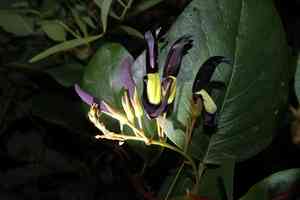
Black coral pea exhibits glossy, deep green leaves and distinctive black and yellow blossoms resembling peas. To achieve peak development, trim the plant in early spring or late winter. Eliminate any deceased or frail branches to foster vigorous growth and improve air circulation. Sculpt and thin the specimen to manage its dimensions and stimulate a denser habit. Consistent trimming aids in preserving its structure and boosts floral production. Refrain from extensive cutting outside the suggested periods to avert strain and guarantee abundant flowering.
What Are the Benefits of Pruning Black Coral Pea?
What Are the Benefits of Pruning Black Coral Pea?
Trimming black coral pea encourages robust development and maintains its form. Consistent cutting promotes denser foliage and is crucial for managing its expansion. Proper trimming also improves air circulation, decreasing the likelihood of pests or diseases.
What Is the Best Time for Pruning Black Coral Pea?
What Is the Best Time for Pruning Black Coral Pea?
Trimming or cutting black coral pea during early spring or late winter is optimal as it aligns with its growth cycle. During these periods, the plant is either dormant or just beginning its active growth phase, which minimizes stress and aids recovery. Pruning at these times also ensures the plant is not in the midst of its flowering or fruiting stage, leading to better overall health and more abundant blooms in subsequent seasons.
What Tools Do I Need to Prune Black Coral Pea?
Bypass Pruning Shears
Essential for making precise cuts on small to medium-sized stems and branches, which facilitates rapid healing and reduces entry points for disease.
Loppers
Useful for cutting thicker stems or branches that exceed the capacity of pruning shears, often necessary due to black coral pea's sturdy nature.
Pruning Saw
Ideal for removing older, thicker branches that may have become woody over time, allowing for improved airflow and light penetration.
Hand Pruning Knife
Useful for precise cuts and minor adjustments, ensuring detailed and accurate pruning, especially in densely clustered areas.
How to Prune Black Coral Pea
Inspection
Carefully examine black coral pea for any diseased or withered leaves. This initial assessment helps pinpoint areas needing trimming, ensuring all affected parts are addressed.
Disinfect Tools
Sanitize your pruning tools with a solution of one part bleach to nine parts water. This step is vital to prevent the spread of diseases from the diseased parts of black coral pea to its healthy sections.
Removal Diseased Leaves
Using sterilized pruning shears, completely remove diseased leaves close to the base. Be sure to discard these leaves away from the plant area to prevent any potential contamination.
Removal Withered Leaves
Trim withered leaves by cutting them off at the stem, ensuring you leave any healthy parts of the plant intact. Pay close attention to remove all dead tissue.
Clean Up
After pruning, clean up the surrounding soil and properly dispose of any plant debris. This prevents the spread of disease and helps maintain the overall health of black coral pea.
Common Pruning Mistakes with Black Coral Pea
Over-Pruning
Excessive removal of branches and stems can weaken black coral pea, leading to reduced flowering and overall poor plant health.
Improper Cutting Technique
Using dull or unsuitable tools can result in jagged cuts, making the plant more vulnerable to disease and pests.
Pruning at the Wrong Time
Pruning at an inappropriate time (e.g., during active growth periods) can stress black coral pea and hinder its natural growth cycles.
Neglecting Flower Buds
Removing too many flower buds can significantly reduce the blooming potential, impacting the ornamental value of black coral pea.
Ignoring Dead or Diseased Wood
Failing to remove dead or diseased wood can lead to the spread of pathogens, compromising the plant's health.
Common Pruning Tips for Black Coral Pea
Use Sharp Tools
Always use sharp, clean pruning shears or loppers to make precise cuts, which helps black coral pea heal more efficiently.
Focus on Maintenance
Regularly remove dead, diseased, or damaged stems to maintain plant health and prevent pathogens from spreading.
Encourage Air Circulation
Thin out crowded branches to improve air circulation, which helps prevent fungal infections and promotes healthy growth.
Be Conservative
Prune lightly rather than heavily; removing no more than one-third of the plant at a time to avoid stressing black coral pea.
Shape for Structure
Prune to maintain a tidy structure, removing any wayward or overly long stems to keep black coral pea looking neat and well-groomed.



