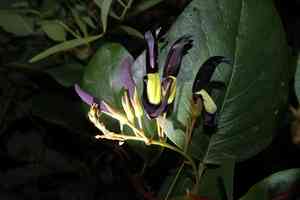
Black coral pea (Kennedia nigricans)
Also known as: Black Coral Pea
The Black coral pea, an eye-catching climber, is renowned for its velvety black flowers highlighted by a greenish-yellow center. This resilient Australian plant features shiny, trifoliate leaves and thrives in well-drained soils with plenty of sunlight or partial shade. Its robust, spreading growth makes it excellent for ground cover or climbing structures, offering both ornamental beauty and a habitat for wildlife.
In This Article
Attributes of Black coral pea
Lifespan
Perennial
Plant Type
Vine
Plant Height
Up to 2 meters
Spread
N/A (climbing habit)
Leaf Color
Green
Flower Size
2-3 cm
Flower Color
Yellow Purple Black
Images of Black coral pea
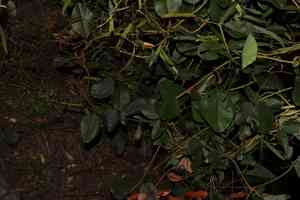
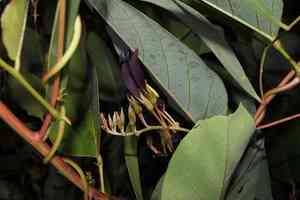
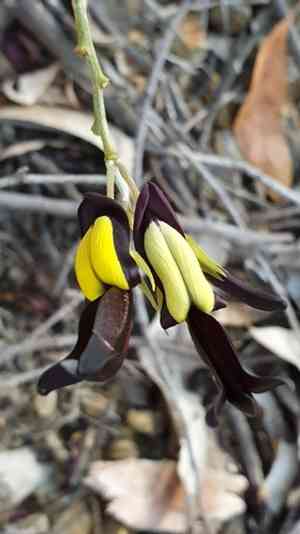
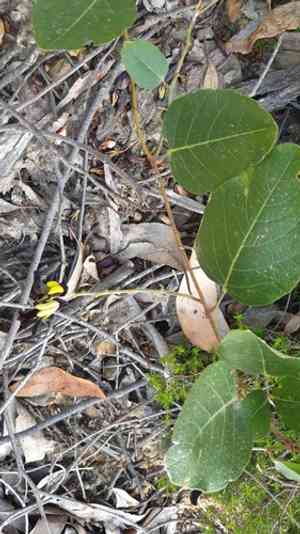
Quickly Identify Black coral pea
1
Kennedia nigricans can be identified by its dark, almost black flowers with bright yellow edges, trifoliate leaves, and twining or climbing habit. Look for woody stems and a trailing growth pattern.
Scientific Classification of Black coral pea
Phylum
Vascular plants
Class
Dicotyledons
Order
Fabales
Family
Legume
Genus
Coral pea
Species
Black coral pea
Planting and Growing of Black coral pea
Care Difficulty
Moderate
Watering Schedule
Every 2 days
Sunlight Requirements
Full sun
Sunshine Duration
6-10 hours
Ideal Temperature
60-75℉
Soil Type
Potting Mix, Peat Mix
Soil pH
6.5-7.5
Fertilizer Type
Balanced
Pruning Season
Spring, Summer
Pruning Area
Branches, Leaves
Pruning Frequency
2 times a year
Repotting Season
Spring
Pot Type
Plastic, Ceramic
 How to Water Black coral pea?
Kennedia nigricans requires consistent moisture, but be mindful not to drown it. A thorough soak of about 500 milliliters each session ensures the roots receive enough water without pooling. The soil should feel damp to the touch but not saturated. Let excess water drain away to maintain optimal soil conditions.
What are the symptoms of an underwatered Black coral pea?
›
What should I do if my Black coral pea is not getting enough water?
›
What are the symptoms of an overwatered Black coral pea?
›
How to save an overwatered Black coral pea?
›
 What Are the Sunlight Requirements for Black coral pea?
Kennedia nigricans benefits most from full to partial sun exposure, ideally incorporating morning sun with afternoon shade. This balance promotes healthy growth and abundant flowering through optimal light absorption.
What type of light does Kennedia nigricans prefer?
›
How can you ensure Kennedia nigricans receives ideal light exposure?
›
What are the benefits of providing ideal light for Kennedia nigricans?
›
 What Is the Ideal Temperature Range for Black coral pea?
The ideal temperature range for Kennedia nigricans is between 60°F and 75°F. This range ensures optimal growth and flowering. Maintaining a stable temperature within this range will help the plant flourish by allowing proper physiological processes required for its vigorous growth.
 What Soil is Best for Black coral pea?
Kennedia nigricans thrives in well-draining soil that allows excess water to escape quickly, preventing root rot. This is crucial for maintaining healthy roots and avoiding fungal diseases that can occur in overly moist conditions. Ensuring the soil is rich in organic matter supports the vigorous growth of Kennedia nigricans. Organic material, like compost, provides essential nutrients that enhance leaf and flower development while promoting robust plant health. A soil structure that promotes good air circulation is vital for Kennedia nigricans. This allows the roots to access the oxygen they need for respiration and overall health, enhancing the plant's ability to absorb nutrients efficiently.
 How to Fertilize Black coral pea?
Kennedia nigricans, a stunning climber, requires moderate fertilization. Use a balanced liquid fertilizer diluted to half strength to avoid over-fertilization. For granular options, use about 30-40 grams distributed evenly around the base of the plant.
 How to Prune Black coral pea?
Begin by sterilizing your pruning tools to avoid any disease transmission. Identify stems that appear unruly or overly long. Cut these back to a set of healthy leaves to maintain the plant's shape. Regularly remove any dead or diseased stems to encourage vibrant new growth. Aim for a balanced look by pruning evenly around the plant. Kennedia nigricans can grow vigorously, so it's essential to manage its size through consistent pruning. Trim back any overgrown sections to ensure the plant does not smother nearby vegetation. By reducing excess growth, you can also improve air circulation, minimizing the risk of fungal infections.
More About Pruning Techniques→
 How to Propagate Black coral pea plant?
1
For Kennedia nigricans, soak seeds in warm water for 12-24 hours to break the hard seed coat, which improves germination rates. Scarifying the seeds gently with sandpaper is also recommended to allow water to penetrate the seeds more easily.
2
Choose healthy semi-hardwood cuttings, about 4-6 inches long, avoiding those with signs of disease or pests. This ensures that the cutting has the best chance of developing roots and growing into a healthy plant.
3
Plant seeds or cuttings in a mix of potting soil and sand to ensure good drainage. Keep the tray in a warm, bright location but out of direct sunlight. Mist regularly to maintain humidity, but avoid waterlogging.
 How to Repot Black coral pea plant?
1
Repot Kennedia nigricans when you notice roots emerging from the drainage holes; this indicates the plant is root-bound and requires a larger pot. Additionally, slow growth or wilting may also signal the need for repotting.
2
Select a pot that's 2 inches larger in diameter than the current one. Ensure it has ample drainage holes to prevent waterlogging. A slightly larger pot provides space for root expansion, promoting healthier growth.
3
Opt for a well-draining potting mix that combines perlite, peat moss, and sand. This mix offers excellent aeration while retaining enough moisture, preventing the roots from sitting in water and encouraging robust growth.



