How to Prune Shrimp plant?
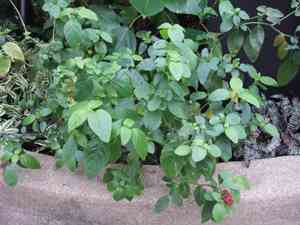
The Justicia brandegeeana is recognized for its distinctive, layered bracts that evoke the appearance of shrimp. Regular trimming is advisable to foster a dense form and stimulate flowering. The most effective method involves reducing stems by one-third following their bloom period, making sure cuts are positioned directly above a leaf joint. Year-round pruning complements the shrimp plant's developmental pattern, enabling cultivators to sculpt and eliminate withered leaves as necessary. This approach encourages robust development, enhancing air movement and lowering the likelihood of illness.
What Are the Benefits of Pruning Shrimp Plant?
What Are the Benefits of Pruning Shrimp Plant?
Trimming shrimp plant promotes abundant flowering, revitalizes its development, and maintains a pleasing shape. Strategic cuts can result in a fuller, more appealing specimen.
What Is the Best Time for Pruning Shrimp Plant?
What Is the Best Time for Pruning Shrimp Plant?
Shrimp plant's growth is mostly evergreen, suggesting 'all season' trimming. However, the optimal time to prune is just before the main growth phase in late winter or early spring. This timing allows shrimp plant to recover from pruning and benefit from the growing season for lush foliage and blossoms. Pruning at this time encourages branching, leading to a denser plant and more bloom sites. Pruning after flowering has ceased can also be advantageous as it helps stimulate new growth and keeps the plant compact and bushy. It's crucial to avoid heavy pruning late in the fall, as this can leave shrimp plant vulnerable during colder months when growth naturally slows.
What Tools Do I Need to Prune Shrimp Plant?
Hand Pruners
Perfect for making precise cuts on shrimp plant's slender stems, crucial for encouraging healthy regrowth.
Pruning Snips
Ideal for detailed trimming of shrimp plant's delicate blooms and small stems, enabling selective shaping without harming the plant.
Garden Scissors
Useful for deadheading and shaping shrimp plant, providing greater control for refining its appearance.
Cleaning Alcohol
Recommended for sanitizing pruning tools before and after use to prevent the transmission of disease to or from shrimp plant.
How to Prune Shrimp Plant
Step1: Timing of Pruning
Choose the appropriate moment for trimming, typically after shrimp plant has finished blooming, or in late winter or early spring before new growth commences.
Step2: Tool Sterilization
Sanitize pruning shears with rubbing alcohol or a 10% bleach solution to prevent disease spread.
Step3: Deadheading Flowers
Begin by removing spent flowers, cutting the flower stalk just above the first set of healthy leaves to encourage more blooms and a compact plant form.
Step4: Pruning Old Wood
Identify old wood, recognizable by its hardened exterior and reduced foliage. Cut old wood back to a point of strong new growth or to the plant's base to promote rejuvenation.
Step5: Removing Damaged Stems
Locate damaged stems, which may appear discolored, withered, or broken. Carefully cut these stems back to healthy tissue, making a 45-degree angle cut just above a node or leaf junction.
Step6: Shaping the Plant
Shape the plant by selectively trimming stems to create a balanced, desired form, ensuring to maintain shrimp plant's natural shrub-like shape.
Step7: Cleanup after Pruning
After trimming, clear away all cuttings from around the plant to prevent disease or pest issues.
Step8: Watering and Fertilization
Lightly water the plant if the soil is dry, and apply a balanced, slow-release fertilizer to support new development.
Step9: Growth Monitoring and Maintenance Pruning
Monitor the plant for new growth and additional trimming needs, as shrimp plant can be pruned periodically throughout the growing season to maintain its shape and size.
Post-Pruning Care for Shrimp Plant
Post-Pruning Care for Shrimp Plant
After trimming shrimp plant, immediately water it to help reduce stress. Maintain a warm environment with indirect sunlight and high humidity to aid recovery. Ensure proper soil drainage to prevent root rot. Fertilize lightly with a balanced, water-soluble fertilizer to provide essential nutrients for regrowth. Regularly check for wilting or discolored leaves, which can indicate stress or infection. If signs are present, adjust care conditions and seek expert advice for potential treatments.
Common Pruning Mistakes with Shrimp Plant
Unclean Pruning Tools Spread Disease
Failing to disinfect tools before trimming shrimp plant, which can spread illness.
Improper Cutting Damages Plant Structure
Cutting too close to the main stem, which can harm the plant's structure and hinder the development of new shoots.
Over-pruning Causes Stress and Poor Growth
Trimming too much at once, which can stress shrimp plant and lead to weak growth or reduced flowering.
Not Removing Dead Stems Affects Health and Look
Ignoring dead or diseased stems, which can impede the overall health and aesthetic appeal of shrimp plant.
Failure to Shape Results in Unkempt Growth
Neglecting to shape the plant, resulting in an untidy appearance and potentially affecting its blooming capacity.
Common Pruning Tips for Shrimp Plant
Clean Cuts with Sharp Shears Promote Healing
Use clean, sharp pruning shears to make precise cuts on shrimp plant, which aids in quicker recovery.
Prune Above Leaf Nodes for Bushier Growth
Cut above the leaf nodes to encourage denser growth and more flowers on shrimp plant.
Regular Pruning for Shape and Old Flower Removal
Trim regularly to maintain the desired shape and size, focusing on removing spent flowers to stimulate new growth.
Thin Stems to Boost Airflow and Light Exposure
Thin out crowded stems to improve air circulation and light penetration, which is crucial for shrimp plant's health.
Cut Stems Post-Flowering for Repeat Blooms
After flowering, cut back the stems to a healthy set of leaves to encourage repeat blooming and to revitalize shrimp plant.



