How to Prune Common juniper?
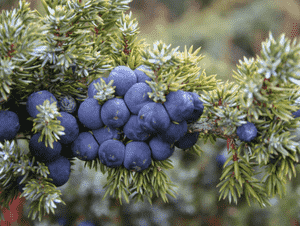
A coniferous evergreen shrub, common juniper is distinguished by its needle-shaped foliage and berry-like cones. When trimming common juniper, it is crucial to eliminate any lifeless or ailing branches, which fosters robust development. Thinning cuts enhance air movement and light exposure. Perform pruning in early spring prior to the emergence of new shoots. Avoid cutting into mature wood, as it might not regrow. Pruning benefits common juniper by preserving its form, dimensions, and stimulating powerful, energetic growth.
What Are the Benefits of Pruning Common Juniper?
What Are the Benefits of Pruning Common Juniper?
Trimming common juniper promotes a more abundant yield and encourages vigorous development. Regular shaping maintains its form, boosting both vitality and visual appeal.
What Is the Best Time for Pruning Common Juniper?
What Is the Best Time for Pruning Common Juniper?
This period is considered ideal because common juniper remains in its dormant state, minimizing plant stress. Pruning before new growth begins allows the plant to recover and direct energy toward developing new, healthy branches and foliage. Furthermore, the absence of leaves offers better visibility for precise cuts. Early spring pruning also prevents the removal of developing cones (berries), which form on the previous year's growth, ensuring the plant's ornamental and ecological contributions, such as juniper berries, are not negatively impacted.
What Tools Do I Need to Prune Common Juniper?
Hand Pruners
For trimming slender branches and shaping common juniper, sharp bypass hand pruners are essential for clean cuts that heal quickly, helping to prevent disease.
Loppers
When dealing with somewhat thicker branches, loppers provide the extra leverage needed to make clean cuts without harming the remaining parts of common juniper.
Pruning Saw
If common juniper has developed thicker branches, a pruning saw may be necessary to manage the wood's diameter without causing tears or jagged cuts.
Hedge Shears
For trimming and shaping common juniper's foliage, especially for hedges or topiary forms, hedge shears allow for uniform shaping and maintenance of dense growth.
Gloves
To protect hands from the spiky foliage and sharp pruning tools while working with common juniper, sturdy gloves are recommended.
How to Prune Common Juniper
Step1: Timing for Pruning
Determine the optimal time of year to prune common juniper, typically late winter to early spring before new growth commences. Avoid pruning in late autumn as cuts can dry out over winter.
Step2: Inspect Plant Health
Examine common juniper for dead, diseased, or damaged branches. These should be the first parts to be removed. Dead wood may appear brittle and darker in hue.
Step3: Tool Sterilization
Sanitize pruning tools with a solution such as isopropyl alcohol or a 10% bleach solution to prevent disease transmission.
Step4: Pruning Dead Branches
Begin pruning by removing dead branches. Cut them back to where they meet healthy wood. Make the cut at a slight angle to allow water to drain from the wound, reducing disease risk.
Step5: Removing Diseased Wood
Locate and prune diseased wood. It may exhibit discolored bark, cankers, or other irregularities. Make cuts well below the affected areas, but be careful not to remove too much healthy wood.
Step6: Rejuvenating Old Growth
Prune old growth to revitalize common juniper. Target old or overgrown branches that are impeding new growth or the plant's shape. Cut at a 45-degree angle, just above an outward-facing lateral branch or bud to encourage open growth.
Step7: Selective Shaping
Shape common juniper by pruning back to a lateral branch or a visible growth node. Do this judiciously, keeping in mind common juniper's natural form rather than imposing a specific shape.
Step8: Clean Up Pruning Debris
Clear away all pruned material from around common juniper to prevent the spread of any potential diseases.
Step9: Post-Pruning Care
After pruning, care for common juniper by watering if the soil is dry, and apply mulch to conserve moisture while keeping it away from the base to prevent rot.
Step10: Monitoring Plant Health
Monitor common juniper closely over the subsequent weeks for signs of stress or disease, and adjust care as needed.
Post-Pruning Care for Common Juniper
Post-Pruning Care for Common Juniper
Immediately after pruning common juniper, ensure adequate watering to lessen stress, avoiding over-saturation which can lead to root rot. Position common juniper to receive sufficient but not excessive sunlight, shielding it from extreme temperatures. A balanced, slow-release fertilizer will aid recovery without forcing rapid growth susceptible to diseases. Monitor common juniper for discoloration or wilting as indicators of distress. If signs of infection, such as unusual growths or lesions appear, consult a horticulturist for potential treatments.
Common Pruning Mistakes with Common Juniper
Avoid cutting old wood without green needles
Cutting into old wood lacking green needles can prevent common juniper from producing new growth because it may not regenerate from the old wood.
Don't prune branches to uniform lengths
Trimming all branches to the same length can result in a less natural, manicured appearance that is typically undesirable for common juniper's growth pattern.
Avoid over-pruning and stressing the plant
Removing too much foliage at once can stress common juniper and may lead to poor plant health or even death.
Common Pruning Tips for Common Juniper
Thin out crowded areas for better growth
Prune common juniper by thinning out congested areas to enhance air circulation and light penetration, which promotes healthy growth.
Prune according to natural shape
When shaping common juniper, follow its inherent form, selectively pruning branches to maintain a balanced, attractive appearance without compromising the plant's health.
Cut above lateral branches for directed growth
Make pruning cuts just above a lateral branch or bud to encourage common juniper to grow in the desired direction and ensure a healthy, fuller shape.



