How to Prune Chinese juniper?
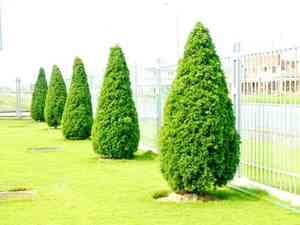
Valued for its robust character and adaptability in garden designs, chinese juniper flourishes with appropriate upkeep. The recommended trimming method involves reducing dense branches and sculpting for the intended appearance. The end of winter is optimal, fostering strong development in spring. It is essential to refrain from severe cutting, as this can cause strain to chinese juniper. Consistent, moderate shaping improves air movement, lowers the chance of illness, and preserves visual appeal, complementing chinese juniper's gradual growth pattern.
Advantages of Trimming Chinese Juniper
Advantages of Trimming Chinese Juniper
Trimming chinese juniper is vital for preserving its form and encouraging robust development. Strategic cuts eliminate dead or weak limbs, fostering healthier foliage and a sturdier structure.
Optimal Period for Trimming Chinese Juniper
Optimal Period for Trimming Chinese Juniper
Trimming chinese juniper in late winter is perfect as it coincides with the conclusion of the plant's dormant phase, just prior to the onset of spring growth. This timing enables gardeners to sculpt the plant and remove any dead or diseased foliage without stressing chinese juniper, since the cold season reduces sap flow, thereby minimizing bleeding from cuts. Furthermore, with no leaves present, the plant's structure is clearly visible, allowing for more accurate pruning. Late winter trimming also prevents damage to new growth, which is more probable if pruning occurs in spring or summer. It helps ensure that the energy stored in the roots during dormancy is directed towards the development of healthy new shoots in the spring, promoting vigorous growth and maintaining a well-structured appearance.
Essential Tools for Truning Chinese Juniper
Bypass Pruners
Perfect for making clean, precise cuts on younger or smaller branches of chinese juniper, ensuring minimal harm to plant tissues.
Lopping Shears
Useful for severing thicker branches that bypass pruners cannot manage, offering leverage and extended reach without harming the chinese juniper.
Pruning Saw
Required for removing large branches from mature chinese juniper specimens, providing the capability to cut through thick woody growth with precision.
Hedge Shears
Suitable for shaping and maintaining the dense foliage of chinese juniper, allowing for uniform shearing and promoting healthy growth.
Hand Gloves
Protects the gardener's hands from nicks and scrapes while handling chinese juniper, and also provides a better grip on the tools.
How to Trim Chinese Juniper
Sanitize Tools
Before starting, clean and sanitize all trimming tools to prevent the transmission of disease to chinese juniper.
Identify
Locate and remove any withered leaves by pinching them off with your fingers or using pruning shears, ensuring a clean cut without harming healthy parts of chinese juniper.
Remove Dead Branches
Carefully cut away dead branches close to the trunk or main branch to encourage healthy growth and lessen the risk of disease in chinese juniper.
Prune Diseased Branches
Trim diseased branches by making cuts well below the affected areas. Sanitize tools between each cut to prevent spreading pathogens within chinese juniper.
Shape Conductively
After addressing health concerns, if necessary, selectively thin out live branches to shape chinese juniper and allow light and air to penetrate the canopy, which supports overall plant vigor.
Common Trimming Errors with Chinese Juniper
Excessive Trimming
Removing too much foliage from chinese juniper in one session can stress the plant, leading to weak growth or even plant death. It's crucial to trim no more than one-third of the total foliage.
Incorrect Cuts
Making cuts too flush against the main branch can remove the branch collar, leading to poor healing and potential disease entry. Conversely, leaving too long a stub can also hinder proper healing.
Shearing For Shape
Using shears to shape chinese juniper into tight geometrical forms without considering its natural growth habit can result in dense outer foliage that restricts light and air, leading to inner branch dieback.
Neglecting Tools
Trimming with dull or dirty tools can damage the branches of chinese juniper, making them more vulnerable to diseases. Tools should be sharp and cleaned regularly to make clean cuts.
Random Cuts
Trimming without a clear strategy or understanding of chinese juniper's growth pattern can lead to unbalanced growth and reduced vigor.
General Trimming Advice for Chinese Juniper
Selective Trimming
Focus on selective trimming to maintain the natural form of chinese juniper. Remove dead or diseased branches, and thin out crowded areas to increase light penetration and air flow within the plant.
Cutting Technique
When removing branches, make clean cuts at a 45-degree angle just above a lateral branch or bud to promote healthy growth and proper wound healing.
Layering
Encourage a layered appearance by trimming longer branches back to a side branch or the trunk. This opens up the plant's structure and enhances its natural form.
Gradual Shaping
For reshaping chinese juniper, do it gradually over several seasons rather than all at once to avoid shocking the plant. This minimizes stress and supports ongoing vigor.
Tool Maintenance
Regularly maintain trimming tools to ensure clean and precise cuts. Sanitize tools before moving to a different plant to prevent the spread of disease.



