How to Prune Bluntflower rush?
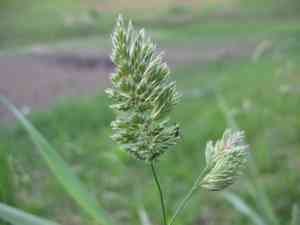
Distinguished by its tubular, empty stalks and grouped floral structures, bluntflower rush thrives with trimming to preserve its vitality and visual charm. Optimal times for pruning are in early spring or winter, prior to the emergence of new shoots. At these junctures, eliminate deceased or compromised stems to foster robust development and inhibit the dissemination of ailments. Consistent trimming guarantees more compact foliage and manages the proliferation of this resilient plant, thereby improving both garden design and ecological conditions.
What Are the Benefits of Pruning Bluntflower Rush?
What Are the Benefits of Pruning Bluntflower Rush?
Trimming bluntflower rush promotes robust development and helps maintain its form. Regular cutting eliminates dead or overgrown parts, fostering healthier, denser foliage and enhancing the plant's overall structure and visual appeal.
What Is the Best Time for Pruning Bluntflower Rush?
What Is the Best Time for Pruning Bluntflower Rush?
Pruning bluntflower rush in early spring is optimal, coinciding with the start of its active growth phase. This timing allows bluntflower rush to recover and initiate new growth efficiently post-pruning. Furthermore, removing any damaged or diseased sections at this time will lead to healthier growth before the full seasonal bloom. Winter pruning is effective because bluntflower rush is likely dormant, making it less susceptible to trimming stress. Removing dead or overgrown parts in winter helps bluntflower rush direct energy to essential components for the upcoming growth season.
What Tools Do I Need to Prune Bluntflower Rush?
Hand Pruners
Perfect for making clean, precise cuts, minimizing harm to the remaining parts of bluntflower rush. Suitable for trimming back dead or overgrown stems.
Garden Shears
Effective for shaping and keeping bluntflower rush looking neat. Allows for cutting multiple stems simultaneously, which is efficient given bluntflower rush's clustered growth pattern.
Gloves
Crucial for protecting hands from the rough, sometimes sharp edges of bluntflower rush's foliage.
How to Prune Bluntflower Rush
Identify
Examine and assess the health of bluntflower rush's leaves, focusing on identifying any diseased or withered ones. Healthy leaves should be vibrant and intact, while diseased and withered ones may appear discolored, shriveled, or damaged.
Sanitize
Before beginning the pruning process, thoroughly disinfect your pruning shears or scissors. This prevents the spread of disease between different plants, especially when removing diseased leaves from bluntflower rush.
Trim diseased
Carefully cut the diseased leaves of bluntflower rush at their base, close to the stem. Ensure each cut is clean and avoid tearing the leaves, as jagged cuts can expose bluntflower rush to further infection or stress.
Trim withered
Remove the withered leaves of bluntflower rush in a similar manner, cutting them at their base near the stem. This not only prevents decay organisms from settling but also promotes better growth and a more aesthetic appearance of bluntflower rush.
Dispose
Properly discard the trimmed diseased and withered leaves by removing them from the vicinity of bluntflower rush and other plants. Do not compost these leaves if they are diseased, as it could lead to the spread of pathogens in the compost.
Common Pruning Mistakes with Bluntflower Rush
Overpruning
A frequent error is removing too much foliage from bluntflower rush, which can stress the plant and reduce its vigor. This often stems from misunderstanding bluntflower rush's growth habit, which requires only minimal pruning to remove dead or damaged foliage.
Improper tool use
Using unsterilized or dull tools can harm the delicate stems of bluntflower rush, leading to unnecessary injury and potential infection sites. Ensuring tools are clean and sharp is essential.
Pruning healthy tissue
Occasionally, gardeners might accidentally remove healthy, green stems instead of focusing solely on dead or damaged material. This removal of productive growth can hinder the plant's overall health and aesthetic.
Common Pruning Tips for Bluntflower Rush
Selective pruning
Focus on removing only the dead or damaged stems to maintain bluntflower rush's natural shape and health. This encourages better ventilation and light exposure, which are vital for its growth.
Clean cuts
Ensure cuts are clean and close to the base of the dead tissue to avoid jagged edges that could harm bluntflower rush. It's best to use sharp, precise snipping tools like secateurs for this.
Post-pruning care
After pruning, providing bluntflower rush with sufficient water and possibly a mild fertilizer can aid in recovery and stimulate new growth. This is especially important to help the plant regain its full vigor.



