How to Prune Lesser creeping rush?
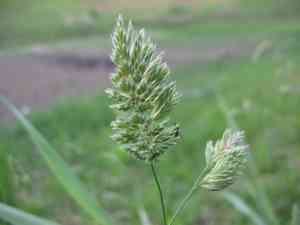
Juncus repens is an aquatic species featuring delicate, trailing stems perfectly suited for moist environments. Perform trimming in early spring or late winter to foster robust development and manage its expansion. Cut away any lifeless or compromised stems and periodically thin the plant to sustain its vitality. This practice also enhances air movement and light exposure, diminishing the likelihood of ailments. Prompt care during these periods guarantees vigorous growth and ongoing plant well-being.
What Are the Benefits of Pruning Lesser Creeping Rush?
What Are the Benefits of Pruning Lesser Creeping Rush?
Trimming lesser creeping rush promotes robust development, maintains its form, and prevents congestion. It aids in managing its spread, ensuring a neat look while decreasing vulnerability to pests and illnesses.
What Is the Best Time for Pruning Lesser Creeping Rush?
What Is the Best Time for Pruning Lesser Creeping Rush?
Pruning lesser creeping rush in late winter or early spring is optimal as it aligns with the plant's inactive phase or just prior to new growth. During this period, lesser creeping rush is less likely to experience pruning shock, and cuts made will heal more effectively as the plant enters its active growth stage. Furthermore, pruning before new shoots emerge can help shape the plant effectively without impeding its progress, ensuring a healthy and vigorous growing season.
What Tools Do I Need to Prune Lesser Creeping Rush?
Hand Pruners
Hand pruners, or secateurs, offer accuracy for cutting back smaller stems and controlling the spread of lesser creeping rush. They are perfect for reaching the plant's base without harming nearby vegetation.
Grass Shears
Grass shears are useful for trimming and shaping lesser creeping rush when a tidier appearance is desired. Their design helps access the plant's lower sections easily and perform detailed pruning.
Pruning Knives
Pruning knives provide a delicate touch for thinning and removing individual leaves or stems. This tool is ideal for tidying small areas where lesser creeping rush grows densely.
Rakes
A small hand rake assists in clearing away pruned debris and dead foliage from lesser creeping rush, ensuring the area around the plant stays clean and encouraging healthier growth.
How to Prune Lesser Creeping Rush
Inspect
Regularly check the plant for any indications of diseased or withered leaves. Early identification helps prevent disease spread and promotes overall plant health.
Tools
Utilize sharp, sanitized pruning shears to avoid causing unnecessary harm to the plant. Sterilize tools with rubbing alcohol before and after use.
Remove Diseased
Carefully cut away any diseased leaves at their base where they connect to the stem, ensuring all affected areas are removed. Properly dispose of removed leaves to prevent disease spread.
Remove Withered
Trim withered leaves by cutting them at the base, similar to removing diseased leaves. Ensure no part of the withered leaf remains to encourage new, healthy growth.
Monitor
After pruning, observe the plant for new signs of disease or wilting. Continuous monitoring ensures timely intervention and maintains the plant's health and appearance.
Common Pruning Mistakes with Lesser Creeping Rush
Incorrect technique
Many gardeners err by using improper tools or methods. Employing dull or unsuitable tools can damage the plant's stems, leading to poor healing and increased vulnerability to disease.
Poor timing
Some gardeners prune at the wrong point in the plant's growth cycle, which can impede development and delay the plant's overall progress.
Over-pruning
Removing too much of the plant at once can stress lesser creeping rush, diminishing its vigor and potentially leading to dieback or a reduced aesthetic.
Common Pruning Tips for Lesser Creeping Rush
Clean and sharp tools
Always use clean, sharp tools to ensure precise cuts and minimize the risk of plant infection. Sterilize tools between uses to prevent disease transmission.
Light pruning
Avoid aggressive pruning. Instead, perform gentle, consistent pruning to maintain the shape and health of lesser creeping rush. Focus on removing any dead or damaged stems rather than cutting back healthy growth.
Cut above nodes
When pruning, make cuts just above a node or bud. This encourages new growth and helps keep the plant's shape natural and appealing.
Remove old growth
Frequently check and remove any older, dying, or dead growth. This promotes air circulation and healthy new growth in lesser creeping rush.
Monitor growth
Regularly observing lesser creeping rush's growth helps to address any issues promptly. Swiftly removing any unhealthy or crowded growth can prevent larger problems in the future.



