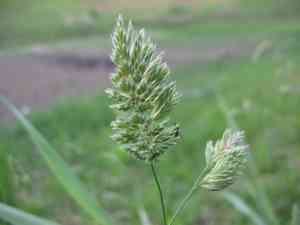
Lesser creeping rush (Juncus repens)
Also known as: Creeping Rush
Lesser creeping rush is a resilient, grass-like perennial commonly found in wetlands, where it forms thick mats. This plant features slender, creeping stems that root at the nodes, producing upright, cylindrical leaves, which are essentially modified stems. Its small, clustered greenish-brown flowers distinguish it from the surrounding lush, water-loving vegetation.
In This Article
Attributes of Lesser creeping rush
Lifespan
Perennial
Plant Type
Herb
Plant Height
15-30 cm (6-12 inches)
Spread
N/A
Leaf Color
Green
Flower Size
Approximately 2-3 mm
Flower Color
Brownish-green
Images of Lesser creeping rush
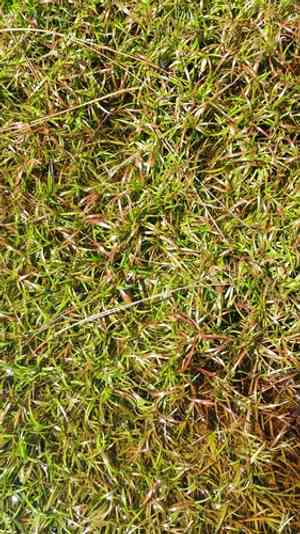
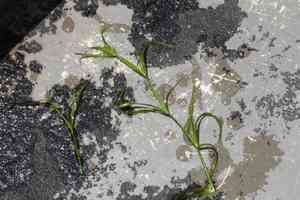
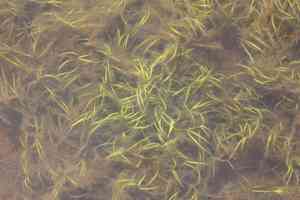
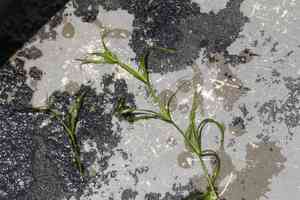
Quickly Identify Lesser creeping rush
1
Creeping Rush can be identified by its slender, grass-like stems that spread horizontally along the ground. It has elongated, cylindrical flower clusters that emerge from the tips of the stems. The stems are typically green and may have a slight reddish tint.
Scientific Classification of Lesser creeping rush
Phylum
Vascular plants
Class
Monocotyledons
Order
Poales
Family
Rush
Genus
Rushes
Species
Lesser creeping rush
Planting and Growing of Lesser creeping rush
Care Difficulty
Easy
Watering Schedule
Every 4 days
Sunlight Requirements
Partial sun
Sunshine Duration
6-10 hours
Ideal Temperature
68-77℉
Soil Type
Potting Mix, Peat Mix
Soil pH
5.5-7
Fertilizer Type
Balanced
Pruning Season
Spring, Summer
Pruning Area
Branches, Leaves
Pruning Frequency
2 times a year
Repotting Season
Spring
Pot Type
Plastic, Ceramic
 How to Water Lesser creeping rush?
For Juncus repens, it's crucial to maintain moist but not waterlogged soil. Water it with about 200 ml each time, ensuring the top inch of soil feels damp to the touch. Use this as a measure to avoid overwatering while keeping the roots adequately hydrated.
What are the symptoms of an underwatered Lesser creeping rush?
›
What should I do if my Lesser creeping rush is not getting enough water?
›
What are the symptoms of an overwatered Lesser creeping rush?
›
How to save an overwatered Lesser creeping rush?
›
 What Are the Sunlight Requirements for Lesser creeping rush?
Juncus repens prefers partial sun, meaning it should receive gentle morning sunlight. Ideal lighting encourages vibrant foliage and healthy growth patterns.
How much light does Juncus repens need?
›
What steps can be taken to achieve ideal lighting?
›
Benefits of ideal light conditions for Juncus repens
›
 What Is the Ideal Temperature Range for Lesser creeping rush?
The ideal temperature range for the growth of Juncus repens is between 68°F to 77°F. This range provides optimal conditions for the plant's metabolic processes, photosynthesis efficiency, and overall growth. Maintaining temperatures within this range ensures that Juncus repens develops healthy foliage and maintains robust root systems, contributing to a thriving plant.
 What Soil is Best for Lesser creeping rush?
Juncus repens thrives in soils that retain adequate moisture without becoming waterlogged. This condition enables the plant to maintain hydration during dry spells while facilitating adequate drainage to prevent root rot. Rich in organic matter, the soil for Juncus repens should provide necessary nutrients to support its growth. Nutrient-rich soils ensure robust development and resilience against environmental stressors. Well-aerated soil is important for Juncus repens as it promotes healthy root growth. Proper aeration ensures oxygen availability to the roots, fostering development and preventing fungal diseases.
 How to Fertilize Lesser creeping rush?
For Juncus repens, use a balanced fertilizer diluted to half strength with each application. Typically, this means using a 20-20-20 NPK liquid fertilizer at one tablespoon per gallon of water.
 How to Prune Lesser creeping rush?
Begin by examining the plant and identifying any dead or yellowing stems. These should be the first to be pruned to allow healthy sections of your Juncus repens to flourish. Regular maintenance involves removing any overly long or leggy growth. When pruning, make your cuts just above a node or leaf base where new growth can emerge. Hold the shears at a slight angle to prevent water from collecting on the cut surface, which minimizes the risk of rot and disease.
More About Pruning Techniques→
 How to Propagate Lesser creeping rush plant?
1
Choose robust and healthy parent plants for propagation to ensure vigorous growth in the new plants. Avoid using plants that show signs of disease or poor health.
2
Ensure the soil is well-drained and rich in organic matter. Loosening the soil with a garden trowel allows for better aeration and root penetration which is crucial for seed germination or division establishment.
3
If using seeds, sow them evenly in the prepared soil, covering lightly. For divisions, separate a section of the plant with a knife or pruning shears and replant in a prepared hole.
 How to Repot Lesser creeping rush plant?
1
Juncus repens, or Creeping Rush, signals its need for repotting when its roots begin to circle the pot edges, or if you notice water pooling on the surface after watering. These signs, typically visible every 2-3 years, indicate the plant is outgrowing its current home and needs more space to thrive.
2
Select a pot that is 1-2 inches larger in diameter to accommodate growth, ensuring it has drainage holes to prevent waterlogging. This size allows for gradual growth without overwhelming the plant, and drainage holes are crucial for maintaining root health by preventing rot.
3
Use a soil mix that is moist and organically rich, ensuring good aeration while retaining essential moisture. The organic content fuels plant growth and health, while the soil’s properties prevent root compaction and encourage robust root development.



