How to Prune Lesueur's rush?
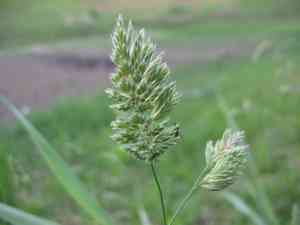
Lesueur's rush, a robust, water-loving plant, flourishes in damp habitats. Trim lesueur's rush during the initial part of spring or in winter to eliminate deceased or compromised stalks, fostering more vigorous development. Severing the plant near its base stimulates revitalization. Consistent trimming aids lesueur's rush by preserving its tidy look and hindering excessive expansion. Employ sanitized, keen implements to prevent injury to the plant. Strategic pruning assists in sustaining its capacity to adapt to its surroundings, which is crucial for the enduring well-being and visual attractiveness of lesueur's rush.
What Are the Benefits of Pruning Lesueur's Rush?
What Are the Benefits of Pruning Lesueur's Rush?
Trimming lesueur's rush encourages robust development and helps keep its desired form. Regular cutting can lead to denser foliage, contributing to a more attractive plant structure while fostering strong health.
What Is the Best Time for Pruning Lesueur's Rush?
What Is the Best Time for Pruning Lesueur's Rush?
Pruning lesueur's rush in early spring is advisable as it aligns with the end of dormancy and the start of new growth, allowing the plant to recover quickly and effectively. Winter trimming is also beneficial as it permits gardeners to shape lesueur's rush and manage its size without stressing the plant, which is less active during this period. These times avoid cutting back lesueur's rush during its active growth and blooming phases from late spring through summer, ensuring the plant retains its health and vitality.
What Tools Do I Need to Prune Lesueur's Rush?
Sharp scissors or garden shears
Perfect for cleanly cutting through the sedge-like, fine, and sometimes thick foliage of lesueur's rush, thereby promoting proper plant health and maintaining an appealing shape.
Long-handled loppers
Useful for reaching into denser, thicker sections of lesueur's rush without harming the surrounding plant structure. These tools help preserve the natural look while removing older or overgrown stems.
Gardening gloves
Protective for the hands, especially when dealing with the potentially sharp edges of lesueur's rush's foliage, ensuring safe and comfortable pruning.
How to Prune Lesueur's Rush
Identification
Identify and evaluate the state of lesueur's rush by closely inspecting it for any diseased or withered leaves. This step is crucial to target only the parts that require trimming and avoid healthy growth.
Preparation
Prepare the appropriate tools for pruning lesueur's rush, such as sharp, clean scissors or pruning shears. Sanitize the tools before use to prevent the spread of disease.
Clean cut
Begin by removing diseased leaves by cutting them at the base where they meet healthy tissue. Ensure cuts are clean and precise to promote rapid healing and prevent damage.
Withered leaves
Remove withered leaves by cutting them back to the base or to the point of healthy tissue. These leaves are typically dry and might detach easily, so gentle handling is necessary.
Maintenance
After pruning, clean the area around lesueur's rush and properly dispose of all removed foliage. This will help maintain a healthy environment and discourage the development of pests and diseases.
Common Pruning Mistakes with Lesueur's Rush
Overpruning
Removing too much foliage from lesueur's rush can weaken the plant. It's vital to prune no more than one-third of the growth at any one time to avoid stressing the plant.
Incorrect technique
Using dull or dirty cutting tools can harm lesueur's rush, leading to frayed and torn stems, which are susceptible to diseases. Always use sharp, clean shears for pruning.
Ignoring dead or diseased material
Failing to remove dead or diseased stems can hinder healthy growth and spread disease. Regularly inspect lesueur's rush for unhealthy segments to maintain plant vigor.
Common Pruning Tips for Lesueur's Rush
Timely deadheading
Remove spent blooms promptly to encourage more flowering. This helps lesueur's rush focus energy on healthy growth rather than seed production.
Selective thinning
Thinning out crowded areas enhances air circulation and light penetration, crucial for the overall health of lesueur's rush. Remove older, inner stems to allow new growth to flourish.
Maintaining natural form
Prune lesueur's rush to maintain its natural, upright growth habit. Avoid over-shaping or severe cuts that detract from its natural appearance and compromise its structure.



