How to Prune Virginia sweetspire?
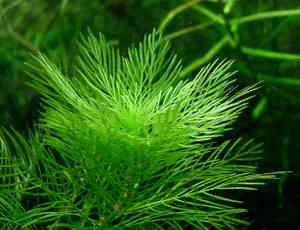
A deciduous bush recognized for its gracefully arching limbs and pendulous white blossoms, virginia sweetspire flourishes when trimmed after flowering. Trim the faded flower stalks to preserve its form and stimulate robust development. Perform pruning in early spring or during winter prior to the emergence of new shoots, focusing on errant or congested branches. Advantages encompass fostering vivid foliage and enhancing blooming, all while safeguarding the plant's inherent structure.
What Are the Benefits of Pruning Virginia Sweetspire?
What Are the Benefits of Pruning Virginia Sweetspire?
Trimming virginia sweetspire can boost its flowering, leading to a vibrant floral display. It also aids in preventing pest and disease issues by eliminating unhealthy or dead sections, fostering a strong and resilient plant.
What Is the Best Time for Pruning Virginia Sweetspire?
What Is the Best Time for Pruning Virginia Sweetspire?
Pruning virginia sweetspire in late winter or early spring is recommended as the plant is still dormant, which reduces stress and sap loss. This timing also precedes the spring growth surge, allowing the plant to recover quickly and direct energy into new growth. Pruning after the winter cold also ensures that flower buds, which virginia sweetspire forms on the previous year's growth, are not removed, guaranteeing blooms from late spring to early summer. Furthermore, the plant's structure is more visible without leaves, enabling more precise cuts.
What Tools Do I Need to Prune Virginia Sweetspire?
Hand Pruners
Perfect for cutting stems up to 1/2 inch thick, hand pruners provide accuracy and control when shaping virginia sweetspire or removing dead branches.
Loppers
Featuring long handles for leverage and larger blades, loppers are suitable for cutting thicker branches of virginia sweetspire â up to 1 and 1/2 inches in diameter â offering extended reach and power.
Pruning Saw
For the thickest branches of virginia sweetspire, exceeding lopper capacity, a pruning saw with a curved blade can efficiently cut branches over 1 and 1/2 inches in diameter.
Hedge Shears
If virginia sweetspire is grown as a hedge or to maintain a specific form, hedge shears can easily trim and shape the foliage due to their long blades.
Pole Pruner
For high branches of virginia sweetspire that are out of reach, a pole pruner (or pruner on an extendable pole) allows for pruning without needing a ladder.
How to Prune Virginia Sweetspire
Step1: Timing for Pruning
Select the appropriate time of year to prune virginia sweetspire, ideally in late winter or early spring before new growth starts. This prevents cutting off flower buds formed on the previous yearâs growth and ensures the plant will bloom in the upcoming season.
Step2: Tool Sterilization
Sanitize your pruning tools with alcohol or a 10% bleach solution to prevent disease transmission. Ensure your tools are sharp to make clean cuts, which are healthier for virginia sweetspire.
Step3: Removing Diseased Wood
Begin by removing any diseased wood. Identify branches that appear discolored, withered, or have unusual growths. Cut these branches back to healthy wood, well below the affected area, to stop disease spread.
Step4: Deadheading Faded Blooms
Next, remove old blooms that have faded and are no longer attractive. Clip these spent flowers just above a set of leaves using clean, angled cuts to encourage new growth.
Step5: Trimming Vigorous Shoots
Look for vigorous shoots, known as suckers or water sprouts, which may emerge from the plant's base or along its branches. These are identifiable as shoots growing significantly faster than the rest of the plant. Carefully trim these vigorous shoots back to the base or to the main branch from which they originate, being careful not to harm surrounding branches.
Step6: Thinning for Air and Light
Thin out the plant to promote air circulation and light penetration, crucial for virginia sweetspire's health. Remove some of the oldest and thickest stems by cutting them at the plant's base if it is very dense.
Step7: Shaping the Plant
Shape the shrub by cutting back overgrown branches to maintain or achieve the desired form. If a natural look is preferred, prune selectively rather than shearing; cut individual branches at varying lengths to encourage a more organic shape.
Step8: Cleanup of Pruning Debris
After pruning, clear away all cuttings from around the base of virginia sweetspire to prevent potential disease and pests from harboring in the debris.
Step9: Post-Pruning Watering
Water virginia sweetspire sufficiently after pruning to aid its recovery, but be careful not to over-water as virginia sweetspire prefers well-drained soil.
Step10: Monitoring Plant Health
Observe virginia sweetspire for signs of stress after pruning, such as wilting or discoloration, and take appropriate actions like adjusting watering or providing shade if necessary to ensure healthy regrowth.
Post-Pruning Care for Virginia Sweetspire
Post-Pruning Care for Virginia Sweetspire
Immediately after pruning virginia sweetspire, water it thoroughly to lessen transplant shock. Ensure the plant is placed in partial shade to prevent sunscald during recovery. Maintain ambient humidity and stable temperatures to aid healing. Apply a balanced, slow-release fertilizer to replenish nutrients. Regularly check for signs of distress, such as wilting or discoloration, and treat promptly if infection signs are detected. Prioritize gentle care to support virginia sweetspire's robust regrowth.
Common Pruning Mistakes with Virginia Sweetspire
Over-pruning Shocks Plants
Removing too much at once can shock virginia sweetspire, causing plant stress that may result in stunted growth or reduced flowering.
Damaging Branches with Dull Tools
Using dull or unclean pruning tools can harm virginia sweetspire's branches, leading to jagged cuts more vulnerable to diseases and pests.
Pruning Without Clear Purpose
Pruning without a specific goal, such as shaping, revitalizing, or removing dead wood, can lead to an undesirable growth pattern and negatively impact virginia sweetspire's overall health.
Ignoring Crossing Branches
Failing to remove crossing or rubbing branches might create wounds on virginia sweetspire, making the plant more susceptible to infections.
Improper Pruning of Woody Stems
Cutting into older, woody stems without understanding the plant's growth habits can inadvertently remove buds that would have produced flowers.
Common Pruning Tips for Virginia Sweetspire
Use Sharp, Clean Tools
Ensure pruning tools are sharp and clean before beginning to prune virginia sweetspire to minimize damage and the risk of disease spread.
Thin to Improve Air Circulation
Focus on thinning out dense areas to enhance air circulation, which can help reduce the likelihood of diseases in virginia sweetspire.
Prune According to Natural Shape
When pruning to shape virginia sweetspire, follow its inherent form to maintain an aesthetically pleasing shape and promote healthy, vigorous growth.
Rejuvenate with Selective Old Stem Removal
Remove only about one-third of the oldest stems at ground level to rejuvenate virginia sweetspire if the plant has become overgrown or is not flowering well.
Prune After Flowering for More Blooms
After flowering, selectively prune spent blooms and any undesirable stems, which can encourage a more abundant display in the following season for virginia sweetspire.
Make Clean Cuts at Leaf Buds
Always make clean cuts at a slight angle, just above a node where a leaf bud is present, to stimulate growth in the desired direction for virginia sweetspire.



