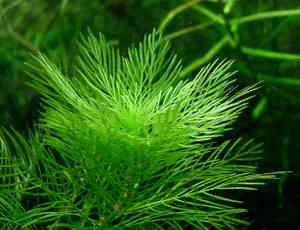
Virginia sweetspire (Itea virginica)
Also known as: Virginia willow
The Virginia sweetspire (Itea virginica) is a deciduous shrub native to the streambanks and pine barrens of the Southeastern U.S. It's frequently used in landscaping for creating woody borders. The genus name "Itea" is derived from the Greek word for "willow," reflecting the plant's cascading leaves and flowers.
In This Article
Attributes of Virginia sweetspire
Lifespan
Perennial
Plant Type
Shrub
Plant Height
2.5 m
Spread
1.5 m
Leaf Color
Green Red Yellow
Flower Size
1 cm to 1.5 cm
Flower Color
White Yellow
Images of Virginia sweetspire
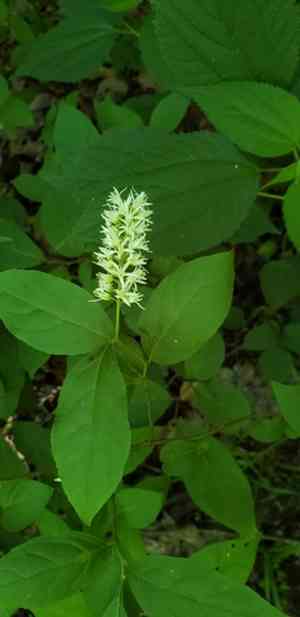
Quickly Identify Virginia sweetspire
1
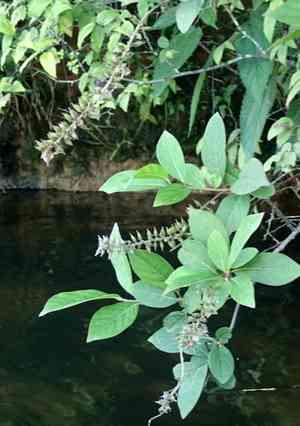
Delicate, fragrant white flowers on 2-6 inch (5-15 cm) racemes in early summer.
2
Elongated leaves with finely serrated edges, 1.5-4 inches (3.8-10 cm) long.
3
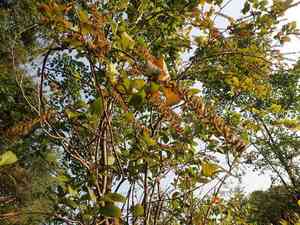
Stems display green to reddish-purple color, crescent-shaped leaf scars, and imbricate buds.
4
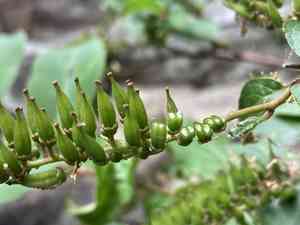
Woody capsules with soft hairs, around 1/3 inch (0.85 cm) long, ornamental in arrangement.
5
Leaves are elliptical, dark green, with acute apex and cuneate base, turning red in autumn.
Scientific Classification of Virginia sweetspire
Phylum
Vascular plants
Class
Dicotyledons
Order
Saxifragales
Family
Sweetspire
Genus
Sweetspire
Species
Virginia sweetspire
Planting and Growing of Virginia sweetspire
Care Difficulty
Easy
Watering Schedule
Every 8 days
Sunlight Requirements
Partial sun
Sunshine Duration
4-8 hours
Ideal Temperature
60-75℉
Soil Type
Potting Mix, Peat Mix
Soil pH
5.5-6.5
Fertilizer Type
Balanced
Pruning Season
Spring, Summer
Pruning Area
Branches, Leaves
Pruning Frequency
2 times a year
Repotting Season
Spring
Pot Type
Plastic, Ceramic
 How to Water Virginia sweetspire?
For Itea virginica, the watering amount should ensure the soil remains consistently moist but not waterlogged. This means around 500 ml per watering session, allowing the water to soak in without leaving the roots submerged. Always aim to saturate the soil until it feels damp at a depth of about 2 inches.
What are the symptoms of an underwatered Virginia sweetspire?
›
What should I do if my Virginia sweetspire is not getting enough water?
›
What are the symptoms of an overwatered Virginia sweetspire?
›
How to save an overwatered Virginia sweetspire?
›
 What Are the Sunlight Requirements for Virginia sweetspire?
Partial sun to full sun allows the plant to display vibrant growth and flourish. Ideal lighting enhances photosynthesis, leading to strong plant health and flowering.
More About Sunlight Requirements Techniques→
How much sunlight is ideal?
›
How do I achieve ideal lighting?
›
What benefits come from ideal lighting?
›
 What Is the Ideal Temperature Range for Virginia sweetspire?
The ideal temperature range for Itea virginica is between 60°F and 75°F. This range supports optimal growth and health, allowing the plant to thrive and maintain its foliage and flowering processes effectively. Keeping the plant within this temperature bracket ensures that it can undertake photosynthesis and nutrient absorption without stress.
 What Soil is Best for Virginia sweetspire?
Itea virginica thrives in soils with good moisture retention because consistent moisture availability supports its lush and vibrant foliage. Ensuring the soil doesn't dry out completely prevents stress on the plant, promoting healthier growth and more vibrant blooms. This plant benefits from nutrient-rich soils as they provide essential minerals and nutrients necessary for optimal growth. A fertile soil supports its flowering and overall vitality, ensuring robust development and resilience against pests and diseases. While Itea virginica loves moisture, good drainage is crucial to prevent root rot. Plants grown in well-draining soils can absorb what they need without the risk of waterlogging, leading to healthier root systems and better overall plant health.
More About Soil→
 How to Fertilize Virginia sweetspire?
For Itea virginica, a moderate amount of fertilizer is recommended. Use a balanced 10-10-10 NPK fertilizer, applying about 1 teaspoon per square foot for solid fertilizers. When using liquid fertilizers, mix into the soil at a concentration suggested on the product label, ensuring you're neither over nor under-fertilizing.
More About Fertilizing Techniques→
 How to Prune Virginia sweetspire?
Begin by removing any dead, damaged, or diseased wood. Then, thin out congested areas to improve air circulation. This helps in reducing the risk of fungal infections and promotes healthy growth. Aim to shape the plant to maintain its natural arching form. To rejuvenate an overgrown Itea virginica, cut back the oldest stems to the ground. This encourages new, vigorous growth. Such rejuvenation pruning can be done every 3-5 years to keep the plant well-maintained and looking its best.
More About Pruning Techniques→
 How to Propagate Virginia sweetspire plant?
1
Collect ripe seeds from mature plants in autumn, allowing them to dry completely before storing them. Store in a cool, dry place until you're ready to plant them in early spring.
2
Choose healthy shoots in late spring or early summer, and make a clean cut below a node. Ensure the cutting is about 4 to 6 inches long and has a few leaves attached.
3
Carefully dig up the parent plant in early spring, separating the roots gently to minimize damage. Each division should have healthy roots and several shoots for successful replanting.
 How to Repot Virginia sweetspire plant?
1
Watch for signs like slowed growth or roots protruding from the bottom of the pot indicating it's time. The ideal time for repotting Itea virginica is in early spring or autumn when the plant is not in full growth mode.
2
Select a pot that is 1 to 2 inches larger in diameter than the current one to give room for growth. The pot should have drainage holes to prevent waterlogging, which can lead to root rot. A breathable material like terracotta is ideal for moisture regulation.
3
Choose well-draining acidic soil that's rich in organic matter. This type of soil supports vibrant growth and mimics the plant's natural habitat, ensuring that excess water drains away while nutrients are retained.



