How to Prune Menzies' goldenbush?
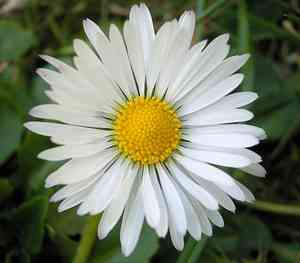
A robust seaside shrub, menzies' goldenbush flourishes in sandy substrates, exhibiting brilliant yellow blossoms. To ensure vigorous development and abundant flowering, remove deceased or injured limbs each winter while the plant is inactive. To foster a denser habit, reduce up to one-third of the mature stalks. Refrain from over-trimming to preserve its inherent shape and avert strain. Trimming is crucial for air circulation, light access, and warding off ailments, providing both visual appeal and well-being for menzies' goldenbush.
What Are the Benefits of Pruning Menzies' Goldenbush?
What Are the Benefits of Pruning Menzies' Goldenbush?
Trimming menzies' goldenbush promotes robust development and preserves its structure. This action aids in stimulating fresh, vigorous growth while keeping the plant's dimensions manageable and visually appealing.
What Is the Best Time for Pruning Menzies' Goldenbush?
What Is the Best Time for Pruning Menzies' Goldenbush?
The optimal period for trimming or shaping menzies' goldenbush is from late winter to early spring, just prior to the emergence of new growth. This timing helps direct the plant's energy toward developing new, healthy shoots and flowers during its active growth phase. Pruning during this dormant stage minimizes stress on menzies' goldenbush and lowers the risk of disease or pest infestations, which can be common if pruning occurs in warmer, more humid months. Furthermore, as menzies' goldenbush may have developed woody stems or dead foliage over winter, this period allows for clear identification and removal of such parts without impacting its blooming, which typically happens in late spring or summer.
What Tools Do I Need to Prune Menzies' Goldenbush?
Hand Pruners
Perfect for making clean cuts on stems and branches up to 3/4 inch thick, ensuring minimal harm to the menzies' goldenbush's tissue for healthy regeneration.
Lopping Shears
Suitable for cutting thicker branches that hand pruners cannot manage, typically up to 1 and 1/2 inches in diameter, helping control the form and size of menzies' goldenbush.
Pruning Saw
Essential for severing branches exceeding 1 and 1/2 inches in thickness. A pruning saw enables precise cuts without damaging the primary framework of menzies' goldenbush.
Gloves
Offer protection for the gardener's hands from thorns and rough plant material while trimming menzies' goldenbush.
How to Prune Menzies' Goldenbush
Clean Tools
Before beginning, ensure all pruning implements are clean and sharp to prevent disease transmission and guarantee precise cuts on menzies' goldenbush.
Remove Withered Leaves
Carefully detach any shriveled or yellowing leaves from menzies' goldenbush by plucking them with your fingers or snipping them with pruning shears, close to the branch without harming healthy tissues.
Cut Dead Branches
Identify dead branches on menzies' goldenbush by looking for wood that is brittle and lacks green growth; use pruning shears to make angled cuts near the main stem or healthy tissue, ensuring no stubs are left which can attract pests or diseases.
Eliminate Diseased Branches
Carefully remove any infected branches from menzies' goldenbush, cutting well below the affected area; dispose of these parts away from healthy plants to prevent disease spread.
Shape Plant
After removing dead and diseased material, lightly shape menzies' goldenbush by trimming back overgrown branches to maintain the desired size and form; avoid heavy pruning as this can stress the plant.
Common Pruning Mistakes with Menzies' Goldenbush
Over Pruning
Removing an excessive amount of foliage or too many branches at once can stress menzies' goldenbush, potentially hindering its growth or reducing its vitality. This is particularly risky for new gardeners who might misjudge the quantity that can be safely removed.
Improper Cut Locations
Cutting too far from a bud or node may leave a stub that can die back and invite disease. Conversely, cutting too close can harm the bud or node, impeding new growth on menzies' goldenbush.
Using Dull Tools
Pruning with blunt tools can result in ragged cuts that are more vulnerable to pests and diseases. It's crucial to use clean, sharp tools for precise cuts that heal quickly.
Pruning Without A Plan
Random or unplanned cuts can lead to poor shaping or uneven growth in menzies' goldenbush. Both experienced and novice gardeners should have a clear strategy for which branches to remove to maintain the plant's desired shape and health.
Neglecting Tool Hygiene
Not sanitizing tools between uses can spread diseases from infected plants to healthy ones. It is essential to disinfect tools before pruning menzies' goldenbush, especially if they have been used on other plants.
Common Pruning Tips for Menzies' Goldenbush
Selective Pruning
Prune judiciously to preserve the natural form of menzies' goldenbush. Remove only dead, diseased, or crossing branches, and thin out congested areas to enhance air circulation.
Cut Angle
Make cuts at a 45-degree angle approximately 1/4 inch above an outward-facing bud or node to encourage healthy regrowth and water runoff from the cut surface.
Gradual Rejuvenation
If menzies' goldenbush requires extensive pruning for shape or size, perform it gradually over several seasons to avoid shocking the plant. Remove no more than one-third of growth in a single pruning session.
Balance Pruning Intensity
Experienced gardeners understand the equilibrium between insufficient and excessive pruning. Aim for moderate pruning that maintains the plant's natural form while stimulating new growth.
End Season Cleanup
Although season-specific instructions are omitted, generally tidying up menzies' goldenbush after the growing season by removing spent blooms and any unsightly or weak growth can improve plant health and appearance.



