How to Prune Obscure morning glory?
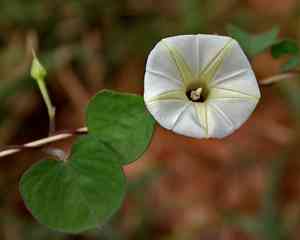
This climbing plant, adorned with blossoms, is recognized for its cordate foliage and diminutive, trumpet-shaped blooms. For obscure morning glory, judicious trimming entails excising deceased or excessively long stems to foster a more compact habit. The most suitable periods for cutting are from spring through autumn, coinciding with its vigorous development phases. Consistent pruning preserves the plant's well-being and attractive form. When performing cuts, invariably employ sanitized, keen implements to avert the spread of pathogens. Specifically for obscure morning glory, pruning enhances light penetration and air movement, which stimulates blooming and diminishes pest problems.
Advantages of Trimming Obscure Morning Glory
Advantages of Trimming Obscure Morning Glory
Trimming obscure morning glory promotes more robust development by stimulating fresh growth, while also helping to maintain its desired form and prevent excessive growth that can lead to a disheveled look.
Optimal Time for Trimming Obscure Morning Glory
Optimal Time for Trimming Obscure Morning Glory
Pruning in spring coincides with the start of obscure morning glory's active growth phase, fostering strong foliage and blooms. Early summer trimming is perfect for shaping the plant and removing faded flowers to encourage more blooming. Late fall is suitable for removing old growth and preparing obscure morning glory for winter dormancy, minimizing stress and disease risk. These timings ensure obscure morning glory's growth cycle, health, and flowering periods are supported for vigorous growth and blossoming.
Tools Required for Pruning Obscure Morning Glory
Hand Pruners
Perfect for making precise cuts on obscure morning glory's slender stems during routine upkeep. Opt for bypass pruners for clean cuts that encourage healthy regrowth.
Gloves
Protects hands from scratches and sap while trimming obscure morning glory. Gloves with a firm grip are recommended.
Pruning Saw
Useful for cutting through any thicker, woodier stems that obscure morning glory might develop, though this is less common.
Garden Scissors
Suitable for snipping delicate stems or deadheading obscure morning glory. Garden scissors are less bulky than pruners, allowing for nimble work on obscure morning glory.
Loppers
May be necessary for larger tasks or when obscure morning glory is overgrown. Loppers provide extended reach and leverage for thicker stems.
How to Prune Obscure Morning Glory
Clean Tools
Sanitize pruning tools with a solution of 1 part bleach to 9 parts water to prevent the spread of diseases while trimming obscure morning glory.
Diseased Materials
Carefully remove diseased leaves and branches from obscure morning glory, ensuring to make clean cuts just above leaf nodes to facilitate healthy new growth.
Withered Materials
Trim away withered leaves and dead branches to improve air circulation, light penetration, and direct the obscure morning glory's energy to healthy parts.
Shape Plant
Shape obscure morning glory by selectively pruning overgrown areas to maintain the desired form, while being careful not to remove more than one-third of the plant at a time.
Disposal
Properly dispose of all removed material away from healthy plants to prevent the potential spread of disease and pests prevalent in obscure morning glory.
Common Pruning Errors with Obscure Morning Glory
Overpruning
Removing too much foliage from obscure morning glory at once can significantly stress the plant, leading to stunted growth and reduced flowering.
Inadequate Tools
Using dull or unclean pruning tools can introduce disease to obscure morning glory and result in jagged cuts that poorly heal.
Improper Cut Location
Cutting too close to a node or leaving too long of a stub can impede the healing process of obscure morning glory and potentially lead to disease.
Neglecting Deadheading
Failing to remove spent flowers from obscure morning glory can reduce blooming, as the plant may focus energy on seed production rather than new flowers.
Ignoring Plant Structure
Lack of attention to the natural shape of obscure morning glory can result in a poorly structured plant that is less aesthetically pleasing and may not grow as well.
Common Pruning Advice for Obscure Morning Glory
Clean Cuts
Make clean cuts at a 45-degree angle just above a set of healthy leaves to promote quick healing and limit the risk of disease for obscure morning glory.
Selective Pruning
Focus on removing only dead or weak stems, as well as any growth that is not contributing to the desired shape or health of obscure morning glory.
Regular Monitoring
Regularly inspect obscure morning glory for signs of dead or diseased foliage and promptly prune to maintain a healthy plant.
Encouraging Bushiness
Pinch back the tips of young shoots of obscure morning glory to encourage branching and a fuller appearance.
Post-Bloom Care
After the main blooming period, lightly prune obscure morning glory to shape the plant and remove any seed pods to encourage further flowering.



