How to Prune Anil de pasto?
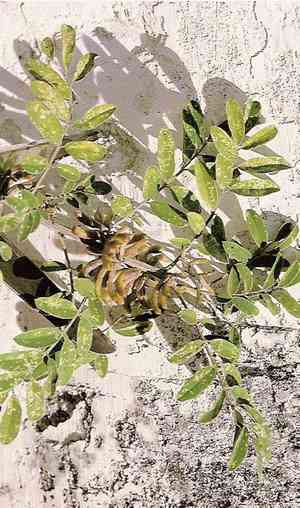
Originating from tropical regions of America, anil de pasto is valued for its vivid blue blossoms and capacity to yield dye. Trim anil de pasto by excising deceased or ailing limbs, sculpting the specimen, and managing its dimensions. The most effective time for trimming is from spring through autumn, avoiding bloom cycles. Trimming fosters denser development, boosts floral output, and averts spindly growth. Judicious thinning sustains the plant's well-being and visual charm, enhancing its decorative value and usefulness in dye creation.
Advantages of Trimming Anil De Pasto
Advantages of Trimming Anil De Pasto
Trimming anil de pasto promotes robust development and preserves its desired form. By eliminating overgrown or lifeless sections, the plant's energy is redirected to healthier stems, fostering a more resilient structure and enhancing its visual appeal.
Optimal Time for Trimming Anil De Pasto
Optimal Time for Trimming Anil De Pasto
Trimming anil de pasto in spring is ideal as the plant awakens from dormancy and can recover faster from cuts, leading to vigorous new growth. Early summer trimming aligns with the conclusion of the plant's main flowering period, simplifying shaping without significantly impacting bloom production. Autumn trimming should be conservative, focusing on removing dead or diseased branches, thus preparing anil de pasto for winter without risking new growth susceptible to cold damage. Avoiding heavy trimming in late summer and winter helps protect anil de pasto from extreme temperatures and stress during inactive phases.
Tools Required for Trimming Anil De Pasto
Hand Pruners
Perfect for cutting small stems and branches on anil de pasto, ensuring precise cuts without harming the plant.
Loppers
Useful for thicker branches of anil de pasto that hand pruners cannot manage, offering ample leverage and reach.
Pruning Saw
Essential for any branches over 1.5 inches thick on anil de pasto that loppers cannot handle, ensuring a clean cut for healthy regrowth.
Shears
Excellent for shaping anil de pasto and maintaining its desired form, particularly effective for trimming soft growth or hedges.
Gloves
Protective gloves are crucial to shield hands from thorns or rough branches while trimming anil de pasto.
How to Trim Anil De Pasto
Sanitize Tools
Disinfect pruning shears or scissors before beginning to ensure anil de pasto's cuts are clean and to prevent disease transmission.
Remove Diseased Parts
Identify and carefully cut off any diseased leaves and branches from anil de pasto to prevent the ailment from spreading to healthy sections.
Trim Withered Parts
Locate any withered leaves and dead branches on anil de pasto and remove them by making clean cuts at their base to encourage healthy development.
Thin Branches
Thin out dense areas by selectively trimming overcrowded branches of anil de pasto, which will enhance air circulation and light penetration.
Shape Plant
Shape anil de pasto by selectively trimming branches that are outside the desired form to maintain or guide the growth pattern.
Common Trimming Errors with Anil De Pasto
Excessive Trimming
Cutting back too much of anil de pasto in a single trimming session can stress the plant, drastically reduce its foliage, and impair its ability to photosynthesize.
Incorrect Cutting Method
Using dull or unsanitized tools can result in jagged cuts that are more prone to disease. Improper cutting angles can also damage anil de pasto's branches.
Removing Flowering Branches
Accidentally cutting off branches that bear flowers can significantly diminish anil de pasto's blooming potential for the season.
Neglecting Dead Material
Failure to remove dead or diseased wood can impede anil de pasto's growth and leave the plant susceptible to infections and pests.
Uneven Trimming
Trimming anil de pasto unevenly can lead to a misshapen appearance and may affect the plant's structural integrity and health.
General Trimming Advice for Anil De Pasto
Selective Trimming
Carefully choose branches for removal, focusing on thinning rather than significantly cutting back, to maintain the natural shape of anil de pasto and promote airflow.
Sharp And Clean Tools
Always use sharp, sanitized trimming tools to make clean cuts that anil de pasto can heal from efficiently and prevent disease spread.
Gradual Trimming
Approach trimming anil de pasto in stages, especially when reshaping or reducing size, to avoid unnecessary stress to the plant.
Nipping Tips
Encourage denser foliage and branches in anil de pasto by lightly nipping the tips, which can stimulate new growth and branching.
Monitoring Branch Health
Regularly inspect anil de pasto for unhealthy branches. Remove these selectively to revitalize the plant and improve its overall health.



