How to Prune Northern firmoss?
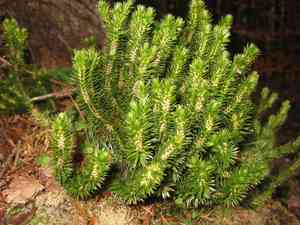
Regarding the shade-loving northern firmoss, a fern-like vascular plant, trimming is not commonly practiced given its gradual development and fragile composition. Should pruning become essential for shaping or excising compromised fronds, it should be performed with care from spring through early autumn. Meticulous removal of only the affected sections prevents excessive trimming, which could harm northern firmoss. Occasional light trimming can promote vigor and potentially improve its look, yet with limited interference to preserve its inherent shape.
Advantages of Trimming Northern Firmoss
Advantages of Trimming Northern Firmoss
Trimming northern firmoss promotes robust new development and maintains its desired form. It aids in the plant's well-being by enhancing air circulation and decreasing the likelihood of pests and illnesses.
Optimal Period for Trimming Northern Firmoss
Optimal Period for Trimming Northern Firmoss
Late spring and early summer are considered ideal for trimming northern firmoss due to various factors related to its growth cycle and health. Trimming during late spring allows for the removal of any winter damage before the plant begins its active growth phase, which typically occurs in the warmer summer months. This timing ensures that northern firmoss can recover swiftly and direct its energy towards new growth. Furthermore, trimming in early summer can help maintain the desired shape and size of northern firmoss, and can prevent potential overgrowth that might otherwise occur during the season when the plant experiences more vigorous growth. Additionally, trimming before fall avoids potential harm to new growth that may not be resilient enough to endure winter conditions. By adhering to these seasons, gardeners can help ensure a healthy development cycle for northern firmoss, without interrupting its natural flowering or fruiting periods, which typically do not apply to this particular species.
Necessary Tools for Trimming Northern Firmoss
Small, sharp scissors or snips
Northern firmoss is a delicate, smaller plant that requires careful handling during trimming. Using small scissors allows for precise cuts and minimizes harm to the surrounding foliage.
Fine-tipped tweezers
Given the intricate nature of northern firmoss, tweezers can be quite useful for removing dead or yellowing parts of the plant without disturbing the rest. This tool is especially helpful when dealing with dense clusters of stems and leaves.
Gloves
While not a direct trimming tool, gloves are crucial for protecting hands during the trimming process. They can be particularly beneficial if the gardener is sensitive to the plantâs texture.
How to Trim Northern Firmoss
Identify
Examine northern firmoss's overall health to locate diseased leaves, withered leaves, dead branches, and diseased branches. Look for any signs of discoloration, spots, or decay.
Clean
Sanitize your trimming tools with alcohol or a bleach solution to prevent the spread of disease while trimming northern firmoss.
Trim leaves
Carefully remove diseased and withered leaves using a pair of fine-tip scissors. Snip the leaf stem where it joins the stem or branch, being careful not to damage healthy tissue.
Prune branches
Trim dead and diseased branches by making a clean cut at the base where the branch connects to the main stem or a healthy section. Avoid tearing or leaving stubs that could invite pests or disease.
Disinfect
After completing the trimming, clean your tools again and properly dispose of all removed plant material to prevent any potential spread of disease to other areas.
Common Trimming Errors with Northern Firmoss
Excessive trimming
Removing too much foliage from northern firmoss at once can stress the plant and hinder growth. It's crucial to trim conservatively, aiming to remove no more than one-third of the total plant mass.
Incorrect cut placement
Improper cut placement on northern firmoss can lead to damage. Cuts should be made at a node where branching occurs, rather than mid-stem, to promote healthy new growth.
Using dull tools
Dull trimming tools can crush northern firmoss's stems instead of making clean cuts. This can create wounds that are susceptible to infection. Always use sharp, sterilized trimming shears.
Neglecting plant health
Trimming northern firmoss without assessing its health can lead to further stress and potential disease. Before trimming, check for signs of pests, disease, and overall vitality.
Trimming under stress
Trimming northern firmoss when it's under stress from drought, pests, or other environmental factors can impede its recovery. It's best to trim when the plant is in a strong and healthy state.
Ignoring plant structure
Not considering northern firmoss's natural growing pattern when trimming can lead to an unnatural and potentially unhealthy shape. Understanding the plant's growth habits is key to successful trimming.
General Trimming Advice for Northern Firmoss
Selective trimming
Focus on selectively removing dead or damaged fronds from northern firmoss to maintain a natural appearance and improve plant health. This targeted approach encourages healthy growth without over-trimming.
Timing precision
While the best season isn't to be mentioned, ensuring that trimming is conducted at favorable times during the plant's growth cycle is crucial for northern firmoss's vitality.
Clean cuts
Make clean, angled cuts to avoid damaging northern firmoss. This technique helps the plant heal faster and reduces the risk of disease.
Sterilization
Always use sterilized trimming tools on northern firmoss to prevent the spread of pathogens. Clean your tools before and after use, especially if they've been used on other plants.
Moderation
Trim northern firmoss with moderation, understanding that less is often more. This plant doesn't require heavy trimming, so gentle shaping and dead frond removal are usually sufficient.
Observe and adapt
Regularly inspect northern firmoss and adapt your trimming to the plant's response. Observing how it grows and reacts to trimming will guide you in your technique and approach.



