How to Prune Sea-buckthorn?
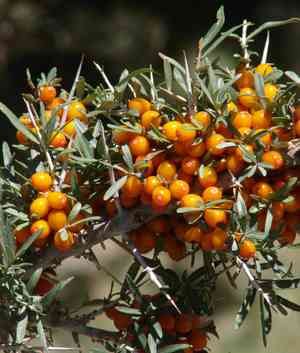
Recognized for its vitamin-packed fruit and spiky limbs, sea-buckthorn thrives with structural trimming to foster robust scaffold formation. The most effective time for pruning is in early spring prior to bud emergence, which reduces strain and stimulates energetic development. Reducing crowded sections enhances air circulation and light exposure, crucial for berry yield. Eliminating deceased, ailing, or injured wood preserves the plant's well-being. Occasional renewal pruning can invigorate fresh growth, guaranteeing ongoing productivity and extended lifespan.
What Are the Benefits of Pruning Sea-buckthorn?
What Are the Benefits of Pruning Sea-buckthorn?
Trimming sea-buckthorn aids in maintaining its desired form and dimensions, promoting a more robust growth pattern. This careful removal of plant sections ensures a stronger, healthier, and more visually appealing specimen.
What Is the Best Time for Pruning Sea-buckthorn?
What Is the Best Time for Pruning Sea-buckthorn?
Trimming sea-buckthorn in early spring aligns with its dormant period just before new growth commences. This timing is advantageous as it avoids cutting during harsh winter conditions, which could harm the plant, and precedes the spring growth spurt, allowing the plant to heal quickly and direct energy towards developing new shoots and fruit. Furthermore, since sea-buckthorn flowers and fruits on old wood, pruning at this time helps stimulate the production of fruiting branches without affecting the current year's yield. Removing dead, damaged, or diseased branches during this period also contributes to the plant's overall health and structure, reducing the risk of pest and disease infestation.
What Tools Do I Need to Prune Sea-buckthorn?
Bypass Pruners
Perfect for making clean cuts on the thinner, green branches of sea-buckthorn, allowing for precision without crushing plant tissue.
Loppers
These are well-suited for reaching into the dense growth of sea-buckthorn and cutting through thicker branches that hand pruners cannot manage.
Pruning Saws
For the mature, woody stems of sea-buckthorn, a sharp pruning saw is essential to make clean cuts without harming surrounding branches.
Protective Gloves
Given sea-buckthorn's thorny branches, a durable pair of gloves is crucial to safeguard hands during pruning.
Long-Sleeved Pruning Garment
Wearing this will offer protection against the thorns of sea-buckthorn, minimizing the chance of injury.
How to Prune Sea-buckthorn
Sanitation
Inspect sea-buckthorn for any indications of diseased leaves and branches. Carefully remove these using sharp, sterilized pruning tools to prevent disease spread.
Thinning
Identify dead or withered leaves and branches on sea-buckthorn. Thinning these parts will enhance air circulation and light penetration, improving the plant's overall health.
Shaping
Cut back overgrown branches on sea-buckthorn to maintain its desired form. Make cuts just above a healthy bud or side branch to encourage productive new growth.
Cleanup
After pruning, gather and dispose of all trimmings from around sea-buckthorn. This helps prevent disease from spreading through fallen, infected debris.
Tool care
Clean and sterilize your pruning tools after working on sea-buckthorn to prevent transmitting pathogens to other plants during subsequent pruning sessions.
Common Pruning Mistakes with Sea-buckthorn
Overzealous Pruning
Removing too much growth in a single season, which could stress sea-buckthorn and potentially hinder its development.
Improper Cut Placement
Making pruning cuts too far from or too close to the main branch, which can lead to poor healing and make sea-buckthorn susceptible to diseases.
Ignoring Disease Control
Failing to sanitize pruning tools between cuts can spread pathogens and infest pests to healthy parts of sea-buckthorn.
Neglecting Plant Structure
Not considering the natural form of sea-buckthorn can result in an unbalanced shape and reduced productivity.
Pruning Healthy Growth
Removing healthy wood without reason, diminishing the overall vigor and fruiting potential of sea-buckthorn.
Rough Cuts
Making jagged or torn cuts which could lead to poor wound closure and increased susceptibility to disease in sea-buckthorn.
Common Pruning Tips for Sea-buckthorn
Selective Thinning
Remove older, non-productive branches to stimulate the development of young, vigorous wood that can support better fruiting in sea-buckthorn.
Clean Tools
Disinfect pruning shears or saws before use and between cuts to prevent the spread of disease in sea-buckthorn.
Proper Cut Angles
Make clean, angled cuts to encourage water runoff and rapid healing, protecting sea-buckthorn against rot and ingress of pathogens.
Maintaining Shape
Prune sea-buckthorn with a focus on encouraging its natural growth habit, which can also improve sun exposure and air circulation.
Targeted Removal
Identify and remove any dead, damaged, or diseased branches to maintain the health and aesthetics of sea-buckthorn.
Cutting Technique
Ensure cuts are made just above a bud, facing the outside of the plant, to direct new growth outward and prevent crowding in sea-buckthorn.
Post-pruning Care
After pruning, provide sea-buckthorn with appropriate care such as watering, mulching, and feeding to support recovery and robust growth.



