How to Prune Manchineel?
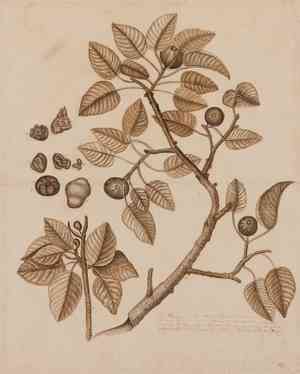
Renowned for its poisonous nature, the manchineel is a dangerous tree necessitating cautious management. Key pruning methods involve excising deceased or ailing branches and reducing crowded canopy sections to improve light penetration and airflow. Perform pruning in winter, during the tree's inactive period, to minimize strain and encourage vigorous spring development. Extreme care is vital to prevent exposure to its latex, which can induce intense dermal irritation. Pruning contributes to the manchineel's general well-being and form, simultaneously guaranteeing security for surrounding vicinities.
Advantages of Trimming Manchineel
Advantages of Trimming Manchineel
Trimming manchineel promotes robust development and maintains its desired form. Strategic cuts can stimulate new growth, ensuring the plant remains healthy and manageable within its space.
Optimal Time for Trimming Manchineel
Optimal Time for Trimming Manchineel
Winter is considered the best period for trimming manchineel because it is typically a dormant phase for many plant species, including manchineel. Trimming during dormancy minimizes stress on the plant as it is not actively growing, which aids in better wound healing and reduces sap loss. Furthermore, the absence of leaves allows for improved visibility and precision in making cuts, decreasing the chance of plant damage. Since manchineel is not in its active growth stage, any winter trimming helps prepare the plant for vigorous growth in the upcoming season. It is also crucial to trim before the plant's flowering or fruiting period to ensure energy is directed towards producing healthy blooms and fruit.
Tools Required for Trimming Manchineel
Heavy-Duty Gloves
Protection from the toxic sap of manchineel is essential. Use thick, impenetrable gloves to prevent skin contact.
Long-Sleeved Shirt and Pants
Completely cover skin to avoid sap exposure while trimming manchineel.
Protective Goggles
Prevent sap from entering eyes during trimming of manchineel, as it can cause severe irritation or blindness.
Pruning Shears
Ideal for cutting smaller branches of manchineel. Ensure they are clean and sharp for precise cuts.
Loppers
Useful for cutting thicker branches of manchineel that pruning shears cannot handle.
Pruning Saw
Used for removing the largest branches of manchineel. Choose a saw with a comfortable handle.
Extension Pole Pruner
Allows for the trimming of higher branches of manchineel while maintaining a safe distance.
How to Trim Manchineel
Protection
Wear protective clothing including gloves, long sleeves, eye protection, and a mask to prevent skin contact and inhalation of the toxic sap of manchineel.
Identification
Carefully identify and mark dead or diseased branches on manchineel that require trimming to ensure only the necessary parts are cut away.
Cutting
Using sanitized trimming tools, make clean cuts on the marked branches, ensuring cuts are made at a downward angle to prevent water accumulation that could promote disease.
Disposal
Dispose of the removed branches immediately and carefully, avoiding contact with the sap, and ensure they are not left in reach of people or animals due to the toxic nature of manchineel.
Cleanup
Clean and sanitize all tools used for trimming manchineel to prevent the spread of toxins or disease. Wash protective clothing separately to avoid contamination.
Common Trimming Errors with Manchineel
Lack of Protection
Failing to wear appropriate protective clothing and equipment when trimming manchineel can lead to severe skin and eye irritation, or burns, due to the plant's toxic sap.
Using Dull Tools
Employing dull trimming tools can cause unnecessary damage to manchineel's branches, leading to an increased risk of disease and a delayed healing process.
Excessive Trimming
Removing too much foliage or too many branches at once can stress manchineel, weakening the plant and reducing its vitality.
Incorrect Cut Location
Manchineel requires precise cutting; improper cut placement can result in damage to the main stem or remaining branches, impeding the plant's natural growth pattern.
General Trimming Advice for Manchineel
Use Sharp Tools
Ensure that trimming tools are sharp and clean to make smooth cuts that will heal quickly, reducing manchineel's susceptibility to disease.
Protective Gear
Always wear protective gear, including gloves, long sleeves, and eye protection, to safeguard against manchineel's toxic sap when trimming.
Minimal Trimming
Conduct minimal and strategic trimming of manchineel, focusing only on damaged or diseased branches to maintain the plant's health and form.
Proper Disposal
Safely dispose of the trimmed material from manchineel, ensuring no contact with skin and preventing accidental exposure to humans and animals, as the debris remains toxic.



