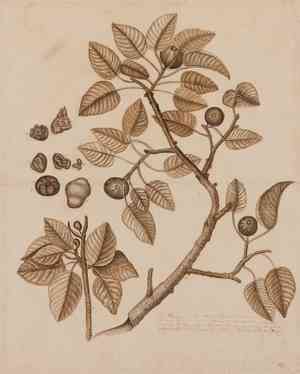
Manchineel (Hippomane mancinella)
Also known as: Machineel tree, Beach apple, Poison guava
The Manchineel tree (*Hippomane mancinella*), also known as the "tree of death," is among the most toxic trees globally. This tree is so perilous that it is often marked with a conspicuous red warning band. Every part of the tree, including its sap, fruit, and stems, contains toxins that can cause severe pain and potentially fatal reactions.
In This Article
Attributes of Manchineel
Lifespan
Perennial
Plant Type
Tree
Plant Height
15 m
Spread
90 cm
Leaf Color
Bright green
Flower Size
3 mm
Flower Color
Yellow Green
Images of Manchineel
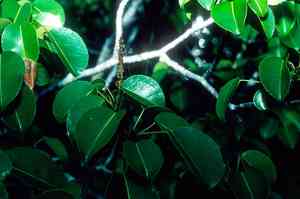
Quickly Identify Manchineel
1
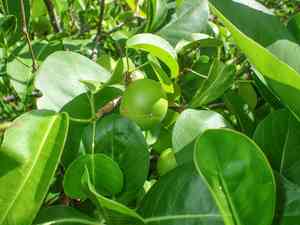
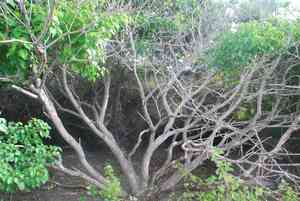
Identify the manchineel tree by its shiny, green leaves, small greenish-yellow flowers, and small apple-like fruit. Warning: All parts of the tree are extremely toxic, including its sap, which can cause severe skin irritation and burns.
Scientific Classification of Manchineel
Phylum
Vascular plants
Class
Dicotyledons
Order
Malpighiales
Family
Spurge
Genus
Hippomane
Species
Manchineel
Planting and Growing of Manchineel
Care Difficulty
Hard
Watering Schedule
Every day
Sunlight Requirements
Full sun
Sunshine Duration
4-6 hours
Ideal Temperature
75-85℉
Soil Type
Potting Mix, Peat Mix
Soil pH
6.5-7.5
Fertilizer Type
Balanced
Pruning Season
Spring, Summer
Pruning Area
Branches, Leaves
Pruning Frequency
Once a year
Repotting Season
Spring
Pot Type
Plastic, Ceramic
 How to Water Manchineel?
Hippomane mancinella, also known as the Manchineel tree, requires careful watering due to its unique environment. It thrives in areas with high salt content, but the soil should remain slightly moist. When watering, ensure the ground is saturated without water pooling around the roots. Approximately 200 ml per watering is adequate for a small sapling.
What are the symptoms of an underwatered Manchineel?
›
What should I do if my Manchineel is not getting enough water?
›
What are the symptoms of an overwatered Manchineel?
›
How to save an overwatered Manchineel?
›
 What Are the Sunlight Requirements for Manchineel?
Hippomane mancinella thrives in areas receiving 6 to 8 hours of sunlight, ideally in full sun or partial sun locations. This exposure supports healthy photosynthesis, strengthening growth and enabling vivid foliage and increased resilience.
More About Sunlight Requirements Techniques→
Preferred Sunlight
›
Solutions for Ideal Sunlight
›
Benefits of Ideal Sunlight
›
 What Is the Ideal Temperature Range for Manchineel?
The ideal temperature range for cultivating Hippomane mancinella is between 75°F and 85°F. Within this range, the plant experiences optimal metabolic functions that support its growth and survival. Maintaining this temperature helps in ensuring healthy foliage, proper nutrient uptake, and resistance against common diseases.
 What Soil is Best for Manchineel?
Hippomane mancinella requires well-drained soil to prevent waterlogging, which can lead to root rot. The sandy or loamy soil structure allows excess water to move away from the roots swiftly, ensuring sufficient oxygen availability and healthier root growth. This plant thrives in soil that is rich in organic matter, providing essential nutrients for its growth. The presence of decomposed material supports robust foliage and enhances the plant's resilience against environmental stress. While good drainage is crucial, the soil should still retain enough moisture to support the plant during dry spells. Loamy soil balances water retention and drainage, supplying consistent moisture without saturating the roots.
More About Soil→
 How to Fertilize Manchineel?
Hippomane mancinella is a highly toxic plant commonly known as the Manchineel tree. It's important to use a balanced, controlled-release fertilizer. Typically, a diluted concentration of liquid fertilizer is sufficient given the plant's slow growth. Apply about 1/4 cup of granular fertilizer per year, depending on the tree's size and soil fertility.
 How to Prune Manchineel?
Begin by assessing the tree from a safe distance to determine which branches need trimming. Use long-handled loppers to reach and cut branches, maintaining a solid safety distance because the sap can cause severe dermatitis. Start with dead, broken, or crossing branches, and then shape the tree to keep it stable and healthy. After pruning, carefully gather all cut branches and avoid direct contact. The sap remains toxic and can still irritate skin on contact. Properly dispose of the trimmed branches by sealing them in bags or transporting them to biohazard waste collection points.
More About Pruning Techniques→
 How to Propagate Manchineel plant?
1
Carefully collect seeds from ripe fruits using gloves. Ensure the seeds are thoroughly cleaned and dried to prevent mold and disease during storage.
2
Prepare a well-draining seed starting mix to sow the seeds. The mix should be moist to aid in germination but not waterlogged to avoid fungal issues.
3
Sow the seeds on top of the soil in the seed tray, lightly covering them with the planting mix. Maintain consistent moisture and place in a warm, well-lit area.
 How to Repot Manchineel plant?
1
Look for signs such as roots coming out of drainage holes or the plant becoming top-heavy. Spring to summer is the best time, as the plant is actively growing and can recover more quickly from the stress of repotting.
2
Select a pot that is slightly larger than the current one, with adequate drainage holes. Using a pot that is too large can retain water and risk root rot; an appropriate size ensures proper water management and encourages healthy growth.
3
Opt for a well-draining sandy soil mix that resembles its native beach environment. This type of soil improves aeration around the roots and prevents excess moisture which can lead to root diseases.
Toxicity
Ingestion, Contact with sap, Smoke inhalation from burning wood
WARNING
The judgment on toxicity and danger is for reference only. We DO NOT GUARANTEE any accuracy of such judgment. Therefore, you SHALL NOT rely on such judgment. It is IMPORTANT TO SEEK PROFESSIONAL ADVICE in advance when necessary.



