How to Prune Confederate rose?
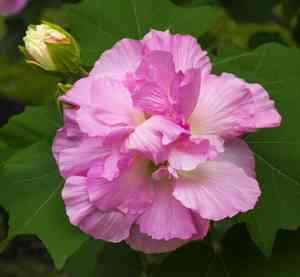
Recognized for its substantial, striking blossoms that alter their hue over the course of the day, confederate rose thrives with meticulous trimming to foster robust development and flowering. Essential methods involve excising deceased or ailing wood and reducing dense branches to boost air movement. Perform pruning in late spring or early summer subsequent to blooming to prevent severing the forthcoming season's buds. A unique aspect for confederate rose is the opportunity to augment its inherent shrub structure and stimulate an abundance of grand, vivid flowers.
What Are the Benefits of Pruning Confederate Rose?
What Are the Benefits of Pruning Confederate Rose?
Trimming confederate rose promotes abundant blooming by eliminating aged wood, focusing the plant's energy. It also reduces illnesses and pest infestations, fostering a strong, more manageable shrub.
What Is the Best Time for Pruning Confederate Rose?
What Is the Best Time for Pruning Confederate Rose?
Pruning during these periods is ideal because confederate rose has finished its spring growth spurt, allowing gardeners to shape the plant and remove any winter frost damage. Additionally, pruning just before the rapid summer growth phase can stimulate more flowering sites and healthier, more controllable growth. It also gives confederate rose ample time to recover before the onset of colder months, lessening the risk of disease and plant stress.
What Tools Do I Need to Prune Confederate Rose?
Bypass Pruners
Perfect for making precise cuts on the green, living branches of confederate rose, ensuring minimal harm to the plant's tissues.
Loppers
Suitable for reaching into the denser areas of confederate rose and for cutting through thicker branches that bypass pruners cannot manage.
Pruning Saw
Essential for removing any mature, woody stems of confederate rose that are too thick for loppers to cut through.
Gardening Gloves
Protects hands from thorns and plant sap while pruning confederate rose, providing a safer gardening experience.
Pruning Sealer
Can be applied to seal larger cuts on confederate rose to prevent disease and pest infestations after pruning.
How to Prune Confederate Rose
Step1: Timing for Pruning
Start pruning confederate rose in late winter or early spring, just as new growth begins. This timeframe allows you to identify which parts of the plant are dead or damaged after the winter dormancy period.
Step2: Tool Sterilization
Sanitize your pruning tools with a solution of 1 part bleach to 9 parts water to prevent disease spread. Clean the tools again before moving to another plant.
Step3: Deadheading Flowers
Remove all spent flowers from confederate rose by cutting them off at the base of the bloom. This process, known as deadheading, encourages new blooms and prevents the plant from expending energy on seed production.
Step4: Old Wood Removal
Identify old wood on confederate rose by looking for branches that did not produce leaves or flowers in the previous season. Prune these branches back to 1/4 inch above a healthy bud or the base of the plant, always cutting at a 45-degree angle to promote water runoff and healing.
Step5: Damaged Limb Trimming
Examine confederate rose for damaged limbs, which may have been caused by winter weather, pests, or disease. Cut back any damaged limbs to healthy wood, ensuring that no stubs are left, as these can invite pests or disease.
Step6: Plant Shaping
Shape confederate rose by selectively pruning to maintain its desired form. Cut back overgrown limbs to a node that faces the outside of the plant, which encourages outward growth and prevents crowding in the center.
Step7: Center Thinning
Thin out the center of confederate rose to improve air circulation and light penetration. Remove any crossing, rubbing, or inward-growing branches.
Step8: Volume Reduction
Prune up to one-third of the total volume of confederate rose if necessary to rejuvenate older plants or manage size. Do not remove more than this in a single year, as it can stress the plant.
Step9: Debris Disposal
After pruning, dispose of all debris to minimize the potential for disease and pests. Remove all cuttings from the area around the plant.
Step10: Post-Pruning Care
Water confederate rose thoroughly after pruning to facilitate recovery and new growth. Apply a balanced fertilizer to provide nutrients that will help the plant heal and produce new growth.
Post-Pruning Care for Confederate Rose
Post-Pruning Care for Confederate Rose
Immediately after trimming confederate rose, ensure the plant has sufficient water to aid recovery, but avoid overwatering. Manage environmental conditions by positioning confederate rose in a location with adequate sunlight and shield it from extreme temperatures. Maintain a consistent humidity level suitable for confederate rose. Post-pruning, provide a balanced fertilizer to encourage growth. Continuously observe confederate rose for signs of stress, such as wilted or discolored leaves, and treat promptly with appropriate fungicide or pesticide if signs of infection are apparent.
Common Pruning Mistakes with Confederate Rose
Over-Pruning in a Single Session
Removing too much of the plant in one session, which can stress confederate rose and potentially lead to poor health and reduced flowering.
Using Dull or Unclean Pruning Tools
Employing dull or unsanitized pruning tools, making improper cuts that can harm confederate rose and introduce diseases to the plant.
Neglecting Selective Removal of Old Wood
Failing to remove only the old or diseased wood, rather than shaping the plant for aesthetic purposes, which may result in a less robust confederate rose.
Lack of Plant Architecture Knowledge
Pruning without understanding the plant's structure can lead to cutting off this year's flowering wood, thus reducing the number of blooms.
Ignoring Plant's Natural Growth Habit
Disregarding the plant's natural tendency, leading to a pruning style that does not complement confederate rose's growth pattern.
Common Pruning Tips for Confederate Rose
Clean, Angled Cuts Above Buds
Make clean, angled cuts just above a bud or branching point to encourage confederate rose to produce new growth in the desired direction.
Remove Dead or Diseased Wood First
Focus on removing any dead, diseased, or damaged wood first to maintain the health of confederate rose and avoid any unnecessary stress through excessive pruning.
Increase Air Circulation with Thinning
Thin out the center of confederate rose to increase air circulation and light penetration, which is crucial for preventing diseases and promoting even blooms throughout the plant.
Deadhead Spent Blossoms Regularly
Regularly deadhead spent blossoms to encourage confederate rose to produce new flowers and maintain its appearance.
Use Sharp, Sterilized Pruning Tools
Use sharp, sterilized pruning tools to make clean cuts, reducing the risk of disease and ensuring a quick healing process for confederate rose.
Prune with Plant's Natural Shape in Mind
When shaping the plant, take into account the natural shape of confederate rose to enhance its growth habit rather than working against it.
Support Plant Post-Pruning with Care
After pruning, provide confederate rose with appropriate care, such as proper watering and fertilization, to support its recovery and new growth.



