How to Prune Hairy alumroot?
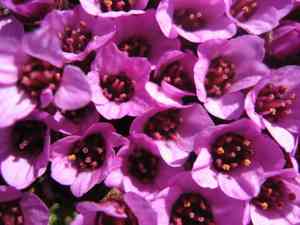
Recognized for its compact foliage and campanulate flowers, Heuchera villosa thrives with consistent removal of spent blossoms to promote further blooming. Trim away any impaired or withered leaves to sustain its vitality. The most favorable period for trimming extends from the beginning of spring until late autumn, steering clear of winter to avert damage during frigid spells. Trimming encourages fresh development, improves the plant's aesthetic, and deters ailments by boosting air movement within thick clusters. Always employ sanitized, keen implements for accurate excisions.
What Are the Benefits of Pruning Hairy Alumroot?
What Are the Benefits of Pruning Hairy Alumroot?
Trimming hairy alumroot encourages robust development by eliminating lifeless or damaged leaves, fostering new growth. Pruning helps preserve the plant's form, leading to a more compact and visually appealing structure.
What Is the Best Time for Pruning Hairy Alumroot?
What Is the Best Time for Pruning Hairy Alumroot?
Early spring is ideal as pruning then allows hairy alumroot to recover swiftly during its active growth, ensuring strong foliage and healthy development throughout spring and summer. Late fall is also suitable when the plant enters dormancy; pruning can help maintain its shape and remove any damaged or diseased leaves before winter, reducing the risk of pests and disease transmission. Pruning during these periods aligns with hairy alumroot's life cycle, minimizes plant stress, and promotes vigor and blooms in the subsequent growing season.
What Tools Do I Need to Prune Hairy Alumroot?
Hand Pruners
Given the relatively small size and delicate nature of hairy alumroot, sharp, bypass hand pruners are perfect for making clean cuts without harming the plant. These are crucial for snipping off spent flowers and removing any dead or damaged foliage.
Pruning Snips
For more detailed tasks, such as deadheading or thinning out small, dense areas, pruning snips offer greater precision. Their slender blades are excellent for reaching into tight spots within hairy alumroot's foliage.
Garden Shears
Hairy alumroot may benefit from light shaping or trimming of its foliage. Garden shears can be used to sculpt the plant into a desired form or maintain a neat appearance, especially useful if hairy alumroot is grown as a ground cover.
How to Prune Hairy Alumroot
Step1: Tool Sterilization
Sanitize your pruning implements with rubbing alcohol or a household cleaner to prevent the spread of any diseases.
Step2: Dead Foliage Removal
Locate and remove any dead foliage at the base of hairy alumroot. Using sharp scissors or hand pruners, cut the foliage where it meets the soil or its originating stem, being careful not to harm the crown.
Step3: Old Flower Stalk Trimming
Inspect hairy alumroot for any old or faded flower stalks. Cut these stalks back to their base where they emerge from the foliage. Make the cut at a slight angle to prevent water accumulation on the cut surface, which can lead to rot.
Step4: Diseased Parts Excision
Examine closely for any signs of diseased parts, such as discolored or distorted leaves and stems. Remove these immediately by making clean cuts at least a few inches into healthy tissue to ensure complete disease removal.
Step5: Post-Pruning Tool Cleaning
After pruning diseased parts, clean your tools again to avoid spreading pathogens to other plants.
Step6: Shaping and Size Control
If shaping is needed for hairy alumroot, trim the foliage to maintain a tidy, mounded shape. Do not remove more than one-third of the plant at a time to avoid stressing hairy alumroot.
Step7: Plant Debris Disposal
Discard all removed foliage, flower stalks, and diseased parts in the trash or a designated compost area; do not leave them on the ground as they could harbor pests or diseases.
Step8: Post-Pruning Watering
Water hairy alumroot sufficiently after pruning to help reduce plant stress and encourage new growth. Avoid overwatering, as hairy alumroot dislikes overly soggy soil.
Step9: Growth and Health Monitoring
Monitor hairy alumroot after pruning for any signs of new growth or further issues. Regular observation helps detect problems early and maintains the health of hairy alumroot.
Post-Pruning Care for Hairy Alumroot
Post-Pruning Care for Hairy Alumroot
Following pruning of hairy alumroot, immediately water the plant to alleviate stress. Maintain moderate humidity and partial shade to shield healing cuts from intense sun. Adjust temperature to a cool to moderate range. Apply a balanced, slow-release fertilizer to support regrowth. Monitor hairy alumroot for wilting or discoloration, indicating stress or disease, and ensure soil remains well-drained but moist. If signs of infection appear, treat with fungicides promptly.
Common Pruning Mistakes with Hairy Alumroot
Excessive Removal of Healthy Leaves
Cutting Off Healthy Foliage: Gardeners often mistakenly remove too much foliage or cut off healthy leaves, depriving hairy alumroot of its ability to photosynthesize effectively.
Pruning Too Near Plant Crown
Pruning Too Close to the Crown: Novice gardeners may prune too close to the plant's crown, which can damage the central growing point and potentially cause rot in hairy alumroot.
Not Removing Dead or Diseased Foliage
Neglecting to Remove Dead or Diseased Leaves: Failing to remove dead or diseased leaves can attract pests or diseases, hindering the health and appearance of hairy alumroot.
Disregarding Plant Growth Habit
Ignoring the Plant's Growth Habit: Not considering hairy alumroot's clumping growth habit can lead to an unbalanced shape or uneven growth.
Using Dull or Dirty Pruning Tools
Using Dull or Dirty Tools: Utilizing unclean or dull pruning tools can cause unnecessary harm to plant tissues, increasing stress on hairy alumroot and the risk of infections.
Common Pruning Tips for Hairy Alumroot
Target Dead or Spent Foliage Only
Focus on Dead or Spent Foliage: Identify and remove only the dead or spent leaves to maintain hairy alumroot's aesthetic and health without affecting its natural shape.
Precise Cuts to Protect Crown Health
Cut at the Right Spot: Make precise cuts leaving a small segment of the stem to avoid damage to the crown and to encourage proper healing.
Regularly Trim to Maintain Shape and Size
Maintain Plant Shape and Size: Regularly trim back overgrown sections to preserve the mounded shape of hairy alumroot, but avoid heavy pruning which can stress the plant.
Use Sharp, Sterilized Pruning Shears
Ensure Tool Cleanliness and Sharpness: Always use sharp and sterilized pruning shears to ensure clean cuts that heal quickly and reduce the possibility of disease.
Inspect for Pests and Diseases When Pruning
Monitor for Pests and Diseases: While pruning, inspect for signs of pests or diseases so that immediate action can be taken to prevent the spread and keep hairy alumroot thriving.
Prune After Bloom to Conserve Energy
Prune After Flowering: If flowering stalks are present, cut these back after they have finished blooming to redirect energy into the leaves and roots of hairy alumroot.



