How to Prune Marin dwarf-flax?
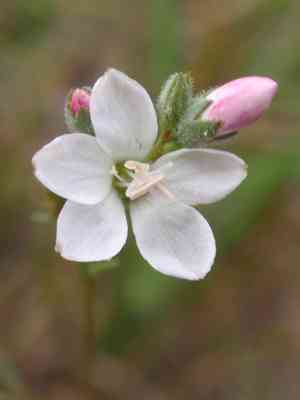
Known for its small size and need for porous ground, marin dwarf-flax thrives with precise trimming to preserve its form and stimulate robust development. The best time for pruning is typically in late spring once flowering has concluded, preventing interference with its natural growth pattern. Removing faded flowers can encourage additional blossoms. Although not essential for the plant's well-being, periodically thinning dense stems improves air movement, which helps prevent infestations and illnesses.
What Are the Benefits of Pruning Marin Dwarf-flax?
What Are the Benefits of Pruning Marin Dwarf-flax?
Trimming marin dwarf-flax encourages robust development and maintains its form, resulting in a healthier and more visually appealing specimen. Consistent removal of spent blooms and excess growth ensures peak plant vitality.
What Is the Best Time for Pruning Marin Dwarf-flax?
What Is the Best Time for Pruning Marin Dwarf-flax?
Trimming marin dwarf-flax in late spring, following the final frost, stimulates vigorous growth and aids in preserving an attractive shape. This timing allows for recovery and new development during the active growing season. Early summer pruning is suitable for removing faded flowers or thinning to improve sunlight penetration and air circulation, boosting overall plant health. Autumn pruning is not recommended, as cuts may not heal before winter, risking cold damage.
What Tools Do I Need to Prune Marin Dwarf-flax?
Bypass Pruners
Perfect for making clean cuts on the green, living stems of marin dwarf-flax, which are typically delicate and slender.
Gardening Scissors
Useful for precise snips, especially for deadheading or shaping marin dwarf-flax without harming nearby stems or leaves.
Pruning Shears
Another appropriate tool for cutting slightly thicker stems or branches of marin dwarf-flax, should they require thinning or shaping.
How to Prune Marin Dwarf-flax
Disinfect tools
Before trimming marin dwarf-flax, sanitize your pruning tools using a 10% bleach solution or rubbing alcohol to prevent disease spread.
Identify parts
Examine marin dwarf-flax closely to locate withered leaves, ensuring they are truly dead and not merely temporarily wilted.
Cut withered leaves
Using the sterilized pruning shears, snip off the withered leaves at their base where they connect to the stem, making clean cuts without damaging healthy tissue.
Discard debris
Remove and properly dispose of all pruned material away from marin dwarf-flax and other plants to minimize the risk of disease and pests.
Clean up
Clean the pruning shears after trimming marin dwarf-flax to maintain tool hygiene, reducing the chance of cross-contamination for future use.
Common Pruning Mistakes with Marin Dwarf-flax
Overpruning
Removing excessive foliage from marin dwarf-flax can stress the plant, reducing its vigor and potentially leading to poor growth and fewer flowers.
Underpruning
Failing to prune marin dwarf-flax might result in a leggy or overgrown appearance and could negatively impact its overall health and aesthetic appeal.
Improper tools
Using dull or dirty pruning tools can damage marin dwarf-flax's delicate stems, causing tears or uneven cuts that may invite disease.
Incorrect cut placement
Cutting too far from a node or into the main stem of marin dwarf-flax can hinder proper healing and growth, potentially causing dieback or disease.
Pruning without a plan
Random or haphazard trimming without understanding marin dwarf-flax's growth pattern can lead to an unbalanced shape and even harm the plant's natural structure.
Common Pruning Tips for Marin Dwarf-flax
Sharp and clean tools
Ensure pruning tools are sharp and clean to make precise cuts that will heal quickly, preventing injury to marin dwarf-flax.
Targeted pruning
Focus on removing dead, diseased, or damaged stems to promote marin dwarf-flax's health. Thin out dense areas to enhance light penetration and air circulation.
Node cutting
Make clean cuts just above leaf nodes to encourage marin dwarf-flax to develop new growth and maintain a compact form.
Rejuvenation
Periodically, lightly prune marin dwarf-flax to encourage fresh growth and rejuvenation, which can lead to improved plant health and more abundant blooms.
Consistent maintenance
Regularly inspect and carry out maintenance pruning to keep marin dwarf-flax's growth in check, which can help prevent the need for more severe pruning in the future.



