How to Prune Atlantic ivy?
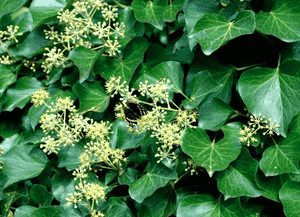
A robust evergreen vine, atlantic ivy flourishes with regular shaping to preserve its form and stimulate abundant leaves. Perform pruning in late winter or early spring prior to the onset of vigorous development. Shorten elongated stems, reduce crowded sections, and eliminate any deceased or impaired foliage. This trimming practice fosters robust development, curbs excessive expansion, and encourages a compact, appealing structure, making it adaptable for covering walls, fences, and ground areas.
What Are the Benefits of Pruning Atlantic Ivy?
What Are the Benefits of Pruning Atlantic Ivy?
Trimming atlantic ivy promotes robust development and helps preserve its intended form. It eliminates excessive or undesirable sections, allowing for better management of the plant's dimensions and contour, and fosters lush foliage for a more appealing look.
What Is the Best Time for Pruning Atlantic Ivy?
What Is the Best Time for Pruning Atlantic Ivy?
The period from late winter to early spring is optimal for pruning atlantic ivy due to several considerations. During this time, atlantic ivy's growth is typically dormant, minimizing stress on the plant and the chance of disease transmission via pruning cuts. It also precedes the start of the new growth season, enabling the pruning to shape and guide subsequent development. Pruning at this point also avoids disrupting any potential blooming that occurs later in the year, ensuring the plant's ornamental value is preserved. Furthermore, removing dead or damaged foliage before growth resumes can help encourage healthier and more vigorous growth patterns as temperatures rise.
What Tools Do I Need to Prune Atlantic Ivy?
Hand Pruners
Ideal for cutting through the slender stems and tendrils of atlantic ivy, providing precision and ease of use. Choose bypass pruners for a clean and healthy cut.
Lopping Shears
Perfect for trimming thicker branches and offering leverage for tougher cuts that hand pruners cannot handle, without harming atlantic ivy.
Pruning Saws
These are essential for severing any older, woody stems of atlantic ivy that are too large for loppers, ensuring clean cuts for healthy regrowth.
Hedge Shears
Excellent for shaping and maintaining dense foliage, as well as removing surplus growth in larger areas of atlantic ivy.
Pruning Gloves
Crucial for protecting hands from the potentially irritating sap of atlantic ivy and from any sharp edges during pruning.
How to Prune Atlantic Ivy
Cleaning Tools
Sanitize pruning implements with a bleach or rubbing alcohol solution to prevent the spread of disease to atlantic ivy.
Identification
Identify diseased and withered leaves by observing discoloration, spots, and signs of decay on atlantic ivy's foliage.
Trim Diseased Leaves
Carefully cut away diseased leaves at the stem's base, ensuring not to harm healthy parts of atlantic ivy.
Trim Withered Leaves
Remove withered leaves by snipping them off where they connect to the stem or main branch to encourage healthy growth in atlantic ivy.
Cleanup
Gather and dispose of all removed foliage to prevent any potential spread of disease or pests around atlantic ivy.
Common Pruning Mistakes with Atlantic Ivy
Overzealous Cutting
Cutting back atlantic ivy too aggressively can weaken the plant. Attempting to control its size through drastic pruning may lead to reduced vigor and sparse foliage.
Neglecting Tool Hygiene
Using uncleaned pruning tools can transmit diseases to atlantic ivy. It is vital to sterilize tools before use to prevent infection.
Inconsistent Pruning
Pruning atlantic ivy irregularly or sporadically can result in uneven growth and a less attractive appearance. Consistent upkeep is crucial.
Ignoring Health Checks
Failing to inspect atlantic ivy for signs of disease or pests before pruning can worsen health issues if unhealthy plant parts are not properly removed.
Snipping The Tips Only
Only trimming the tips of atlantic ivy's vines can promote denser foliage at the ends but may lead to legginess near the plant's base. It is important to prune along the entire length of the vine.
Pruning Healthy Growth
Removing healthy growth indiscriminately can limit atlantic ivy's potential to thrive. It's essential to focus on overgrown, damaged, or diseased areas.
Common Pruning Tips for Atlantic Ivy
Target Overgrowth
Focus on removing overgrown areas that detract from atlantic ivy's desired shape. This practice will help manage its size and encourage a fuller appearance.
Cut Above Leaf Buds
Make cuts just above leaf buds when trimming atlantic ivy to guide new growth in the desired direction. This technique also helps maintain a natural shape.
Thin Out Density
Thin out dense areas to improve air circulation and light penetration for atlantic ivy, which can reduce the risk of pest infestation and disease.
Restore Shape
Atlantic ivy can become unruly, so prune to maintain the desired form, especially if the ivy is covering a structure or used as ground cover.
Remove Damaged Sections
Regularly trim away dead, damaged, or diseased parts of atlantic ivy to maintain its health and vitality. Targeting these areas also stimulates new growth.
Encourage Vertical Growth
If you want to encourage atlantic ivy to climb, trim it to direct energy towards upward growth and supports. It's a climbing plant and can grip onto most surfaces naturally.



