How to Prune Hakone grass?
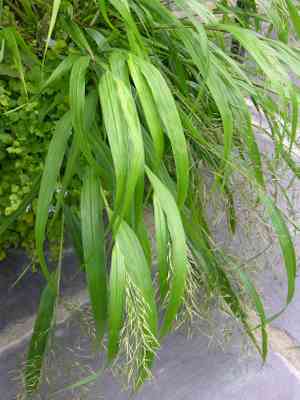
This decorative grass, indigenous to Japan, showcases flowing green leaves, lending a delicate feel to landscapes. For Hakonechloa macra, the primary trimming method involves reducing the previous year's foliage to several inches above the soil in early spring or late winter, prior to the emergence of new shoots. This schedule guarantees a neat look while fostering robust, abundant regeneration. Trimming encourages new development, preserves an appealing form, and boosts the vitality of Hakonechloa macra.
What Are the Benefits of Pruning Hakone Grass?
What Are the Benefits of Pruning Hakone Grass?
Trimming hakone grass promotes robust regrowth and preserves its desired form. It revitalizes the plant by eliminating old leaves, which stimulates new, healthy development and keeps the plant's size and shape in check.
What Is the Best Time for Pruning Hakone Grass?
What Is the Best Time for Pruning Hakone Grass?
In early spring, hakone grass is trimmed to remove any dead foliage and encourage new growth as the plant awakens from dormancy. This timing allows for the promotion of healthy, vibrant leaves and maintains the ornamental appearance of the grass throughout the growing season. Pruning in winter is beneficial as hakone grass is a deciduous grass that turns brown and goes dormant. During this period, trimming helps to tidy the plant and prevent any decay or disease from affecting the crown. Additionally, winter pruning prepares hakone grass for vigorous growth in the upcoming spring.
What Tools Do I Need to Prune Hakone Grass?
Hand Pruners (Bypass Type)
Bypass hand pruners are ideal for making clean cuts on hakone grass, minimizing damage to the delicate stems. They operate like scissors, with two blades 'passing-by' each other to make the cut.
Grass Shears
Grass shears are well-suited for trimming and shaping hakone grass due to their precise cutting action, which is essential for maintaining the aesthetic appeal of this ornamental grass.
Pruning Saw
A small, sharp pruning saw can be used for hakone grass if there are thicker culms or clumps that need to be divided or removed. While not commonly needed, itâs handy for more intensive maintenance tasks.
Gloves
Wearing gloves is essential when pruning hakone grass to protect the hands from potential irritants or sharp edges of the plant's foliage.
How to Prune Hakone Grass
Step1: Timing for Pruning
Wait until the appropriate season. Hakone grass should be pruned in late winter or early spring before new growth begins. This helps the plant to rejuvenate and maintain its vigor for the coming growing season.
Step2: Tool Sterilization
Prepare clean and sharp pruning scissors or shears. Sterilize the tools using rubbing alcohol to prevent the spread of diseases.
Step3: Removing Yellow Leaves
Cut yellow leaves individually. Locate the base of each yellow leaf and snip it off cleanly at the point where it emerges from the soil or the parent stalk. Do not pull yellow leaves as this can damage healthy parts of hakone grass.
Step4: Excising Withered Patches
Identify and remove withered patches. Use the shears to carefully cut out any brown, withered patches. Make cuts at an angle, just above a healthy leaf or sheath to encourage new growth.
Step5: Plant Shaping and Sizing
Shape hakone grass after removing yellow leaves and withered patches. Cut the plant back to about 2-3 inches above the ground, following the natural shape or mound of hakone grass to maintain its flowing appearance.
Step6: Cleanup of Trimmings
Clean up the trimmed material. Collect all removed foliage and dispose of them properly to reduce the risk of pests and diseases.
Step7: Post-Pruning Watering
Water hakone grass lightly after pruning to help ease stress and encourage new growth. Ensure proper drainage as hakone grass does not appreciate waterlogged soil.
Step8: Growth Monitoring and Care
Monitor hakone grass for signs of new growth, which should appear shortly after pruning. Ensure the plant has adequate light and water after pruning to support its rejuvenation.
Post-Pruning Care for Hakone Grass
Post-Pruning Care for Hakone Grass
After pruning hakone grass, ensure it receives gentle, dappled sunlight to prevent stress. Maintain a humid environment and stable temperatures, avoiding extremes. Apply a balanced, slow-release fertilizer to aid in recovery and support new growth. Monitor hakone grass regularly for discoloration or wilting, signs of stress or disease. If symptoms are detected, adjust care and consult a specialist if necessary. Consistent attention post-pruning will promote the healthy regrowth of hakone grass.
Common Pruning Mistakes with Hakone Grass
Over-pruning stunts growth
Pruning hakone grass too severely can result in stunted growth or failure to thrive. This plant benefits from gentle trimming rather than harsh cuts.
Incorrect pruning timing disrupts growth cycle
Pruning hakone grass at the wrong time of the pruning cycle. While seasonal timing is not included, it's important to note that hakone grass has a growth cycle that should be considered to avoid interrupting its natural development.
Ignoring dead leaves invites pests and disease
Ignoring dead or damaged leaves during pruning can leave hakone grass susceptible to disease and pests. It's essential to remove unhealthy foliage to maintain plant vigor.
Dull tools cause jagged cuts and disease
Using dull or dirty pruning tools on hakone grass may cause jagged cuts and introduce disease. Always use clean, sharp instruments.
Natural shape neglect results in artificial look
Neglecting to consider the natural shape of hakone grass when pruning can lead to an artificial appearance. Pruning should enhance its cascading habit, not fight against it.
Common Pruning Tips for Hakone Grass
Regularly prune dead leaves for new growth
Regularly prune hakone grass to remove dead or yellowing leaves at the base to encourage fresh growth and maintain a tidy appearance.
Selective thinning boosts circulation and light
Perform selective thinning of hakone grass's older foliage to improve air circulation and light penetration, which can stimulate healthier, denser growth.
Cut back worn foliage after winter for rejuvenation
Cut back hakone grass's foliage to a few inches above the ground if it looks particularly worn after winter; this helps rejuvenate the plant for spring.
Shape by following natural habit for grace
Shape hakone grass by following its natural mound-forming habit to encourage its graceful, flowing characteristics.
Trim lightly in growing season for fuller growth
To promote fuller growth, lightly trim hakone grass throughout the growing season, ensuring that you leave enough foliage to support continued growth.



