How to Prune Gynura divaricata?
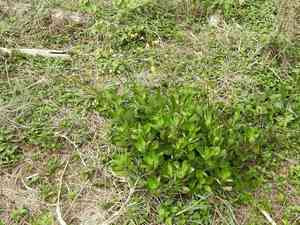
Recognized for its plush foliage and violet coloration, gynura divaricata flourishes with consistent trimming. Cut back to preserve its form and foster a denser habit, eliminating any elongated or lifeless stalks. Optimal pruning occurs from early spring through late autumn to stimulate robust development. This practice enhances air movement and light penetration, leading to more vibrant leaves and averting ailments. Always employ sanitized, keen implements to prevent harm and strain on gynura divaricata.
Advantages of Trimming Gynura Divaricata
Advantages of Trimming Gynura Divaricata
Trimming gynura divaricata promotes robust development and helps maintain its desired shape. Regular cutting encourages new, strong shoots and keeps an attractive form, ensuring it remains lush and manageable.
Optimal Time for Trimming Gynura Divaricata
Optimal Time for Trimming Gynura Divaricata
Trimming in early spring coincides with the start of gynura divaricata's active growth phase, allowing it to recover and grow more vigorously during the season. Pruning at this time minimizes stress on gynura divaricata and can improve its shape, look, and health. Late autumn is also suitable, preparing gynura divaricata for dormancy and reducing potential winter damage. During these periods, pruning does not interfere with blooming or fruiting cycles, which typically occur in late spring or summer for many species.
Necessary Tools for Trimming Gynura Divaricata
Hand Pruners
For gynura divaricata, due to its relatively soft stems and small size, hand pruners or secateurs are perfect for making clean cuts. Ensure pruners are sharp and clean to prevent damage and reduce disease transmission.
Pruning Shears
Gynura divaricata may need shaping or thinning to encourage a fuller plant. Pruning shears are suitable for snipping off unwanted branches and leaves, especially when cutting back to a main stem or removing excess growth.
Gardening Gloves
When trimming gynura divaricata, it's crucial to protect your hands from sap and rough edges. Gloves provide a better grip and shield you from any skin irritation the plant might cause.
Cleaning Cloth and Disinfectant
A clean cloth and disinfectant (like rubbing alcohol) are essential for wiping down and sanitizing tools between cuts. This step minimizes the risk of spreading pests or diseases to gynura divaricata.
Waste Container
Having a container or bin to collect pruned material will keep the area tidy and prevent any potential pests from re-infecting gynura divaricata. It also aids in quick cleanup and disposal.
How to Trim Gynura Divaricata
Step1: Prepare Pruning Tools
Gather clean, sharp pruning shears or scissors to ensure a precise and healthy cut on gynura divaricata.
Step2: Identify Dead Branches
Identify dead branches by their brittle texture and absence of leaves or greenness. Dead branches can be found anywhere on gynura divaricata, so inspect thoroughly.
Step3: Prune Dead Branches Correctly
Cut dead branches as close to the main stem as possible without harming healthy tissues. Make the cut at a 45-degree angle to allow water runoff and prevent disease.
Step4: Remove Yellow Leaves
Locate yellow leaves, often a sign of an older or stressed part of gynura divaricata. Yellow leaves typically appear at the plant's lower section.
Step5: Trim Old Stems
Trim yellow leaves by cutting at the base of the individual leaf stem. Avoid tearing to prevent damage to gynura divaricata's main stem.
Step6: Shape the Plant
Inspect gynura divaricata for old stems, which are usually thicker and woodier than new growth and may have a more faded color.
Step7: Discard Pruned Material
Prune old stems back to a main stem, lateral branch, or a leaf node to encourage new growth. When cutting, leave a small stub to avoid damage to the growth node.
Step8: Water After Pruning
Shape gynura divaricata by evenly trimming back overgrown areas to maintain the desired form. Focus on promoting air circulation and light penetration throughout the plant.
Step9: Safe Disposal of Pruned Materials
Dispose of all pruned material away from gynura divaricata to prevent the potential spread of pests or disease.
Step10: Recovery and Maintenance Post-Pruning
After pruning, water gynura divaricata lightly to help it recover from the stress of pruning, and ensure good soil drainage to avoid root rot.
Post-Trimming Care for Gynura Divaricata
Post-Trimming Care for Gynura Divaricata
Immediately after trimming gynura divaricata, ensure cuts are clean to promote healing. Position gynura divaricata in bright, indirect light and maintain ambient humidity by misting if needed. Avoid extreme temperatures. Post-trimming, reduce fertilization until active growth resumes. Monitor gynura divaricata for wilting or discoloration, indicating stress or infection. If symptoms appear, adjust care and consult a horticulturalist for potential disease management.
Common Trimming Errors with Gynura Divaricata
Over-Trimming Shock
Trimming gynura divaricata too severely can shock the plant, potentially leading to reduced vigor or plant death.
Improper Cutting into Old Wood
Cutting into old wood on gynura divaricata beyond the green growth can prevent the plant from producing new shoots, as it may not regenerate from old wood.
Using Dull or Dirty Tools
Using dull or dirty trimming tools can damage gynura divaricata's stems and introduce diseases.
Common Trimming Advice for Gynura Divaricata
Sharp, Clean Shears for Healthy Cuts
Use sharp, clean shears to make precise cuts on gynura divaricata, which will promote quick healing and reduce the risk of disease.
Trimming to Nodes for Bushier Growth
Trim gynura divaricata back to a set of leaves or a node to encourage bushier growth; this prompts the plant to produce more side shoots.
Selective Thinning for Shape and Vitality
When thinning gynura divaricata, remove only a portion of the older stems to maintain the plant's shape and vitality, focusing on those that are overgrown or crowding others.



