How to Prune Small matweed?
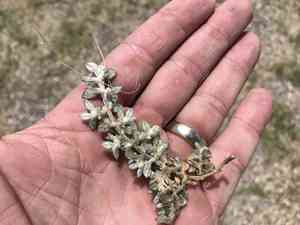
Extremely tolerant of foot traffic, dwarf matweed flourishes in confined areas and is frequently controlled to avert excessive expansion. To ensure peak vitality, trim the plant in Spring or Summer during periods of vigorous development. Reduce the foliage to preserve the preferred form and dimensions, fostering thick, abundant growth. Trimming additionally enhances air movement, diminishing potential hazards of illness. Be mindful not to eliminate over one-third of the plant simultaneously to avert strain.
What Are the Benefits of Pruning Small Matweed?
What Are the Benefits of Pruning Small Matweed?
Trimming small matweed promotes more robust and vigorous development, while also helping to maintain a compact and appealing form. Strategic cuts can revitalize the plant, fostering healthier and denser foliage.
What Is the Best Time for Pruning Small Matweed?
What Is the Best Time for Pruning Small Matweed?
Pruning during Spring aligns with small matweed's preparation for the active growth phase, ensuring the plant expends its energy on new healthy growth rather than maintaining old or damaged foliage. Early Summer pruning complements this by shaping small matweed after the spring growth spurt, allowing time for healing before the more stressful heat of late summer. These seasons avoid the flowering period and help prevent disease or weather-related damage since small matweed can recover quickly in the warmer, dry conditions.
What Tools Do I Need to Prune Small Matweed?
Hand Pruners
For cutting and shaping the dense foliage of small matweed, hand pruners are perfect due to their precision and ability to make clean cuts without damaging the plant.
Gardening Scissors
Small matweed often requires thinning and trimming of delicate stems, which gardening scissors can accomplish with ease, offering control and accuracy.
Leaf Trimmers
These small, precise trimmers are ideal for small matweed due to their compact growth habit, allowing for meticulous maintenance without disturbing nearby plants.
How to Prune Small Matweed
Disinfect tools
Before starting to prune small matweed, clean and disinfect your pruning tools. This prevents the spread of diseases between plants.
Identify
Identify the diseased leaves, withered leaves, and diseased stems on small matweed. Look carefully as symptoms of distress might not be immediately noticeable.
Cut diseased leaves
Using the disinfected tools, carefully remove the diseased and withered leaves from small matweed. Make cuts at the base of the leaf stem, being cautious not to damage nearby healthy tissue.
Cut diseased stems
Trim back the diseased stems on small matweed. Make clean cuts above healthy leaf nodes to encourage new growth. Remove the entire stem if the disease has spread extensively.
Disposal
Properly dispose of all removed plant material far from small matweed. Do not compost diseased material as it can contaminate the compost and further spread pathogens.
Common Pruning Mistakes with Small Matweed
Over-pruning
Removing an excessive amount of foliage at once, which can stress small matweed, leading to poor growth and potential dieback.
Improper tool use
Using dull or unsanitary tools can cause jagged cuts, which may invite pests and diseases, affecting the health of small matweed.
Pruning live growth indiscriminately
Randomly cutting live, healthy growth without understanding the growth pattern of small matweed can result in an unattractive shape and weakened plant.
Ignoring dead material
Failing to remove dead or diseased material can hinder new growth and can be an entry point for disease.
Pruning for size reduction
Trying to significantly reduce the size of small matweed through heavy pruning instead of regular maintenance can be harmful to the plant's overall vigour.
Common Pruning Tips for Small Matweed
Selective thinning
Remove specific branches to encourage better air circulation and light penetration for the overall health of small matweed.
Sharp tools
Always use clean, sharp tools to make precise cuts, which will heal quicker, reducing the risk of diseases.
Cut at the correct location
When removing branches or stems, cut just above a leaf node or bud to promote healthy new growth for small matweed.
Maintenance pruning
Regularly trim or pinch off the tips of small matweed to maintain the desired shape and encourage bushier growth.
Health checks
Before pruning, inspect small matweed for pests or diseases, and remove affected areas promptly to prevent further damage.



