How to Prune Whiteroot?
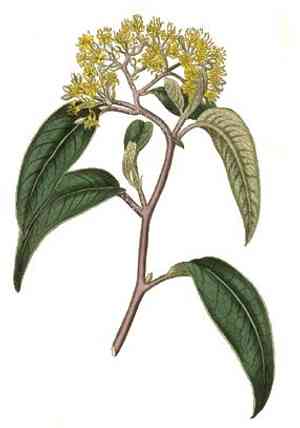
Whiteroot, a robust plant, is recognized for its trailing habit and aromatic blossoms. Perform pruning in late winter or early spring prior to the emergence of new shoots. Eliminate any deceased or compromised stems and reduce density in congested zones to enhance airflow and light exposure. Consistent trimming fosters more robust, prolific development and diminishes vulnerability to ailments. Concentrate on sculpting the plant and preserving a controllable dimension, guaranteeing a harmonious framework.
What Are the Benefits of Pruning Whiteroot?
What Are the Benefits of Pruning Whiteroot?
Pruning Whiteroot encourages robust development and helps maintain its form. Regular trimming manages its size, improves its look, and lowers the chances of pests and diseases, ultimately ensuring a healthier, more manageable plant.
What Is the Best Time for Pruning Whiteroot?
What Is the Best Time for Pruning Whiteroot?
Trimming Whiteroot in early spring and late winter is optimal due to its growth cycle and natural dormant period. During these seasons, Whiteroot experiences reduced physiological activity, which lessens plant stress and decreases the risk of disease or pest infestations. Furthermore, pruning at these times allows Whiteroot to recover and regrow as it enters an active growth phase in the spring. Early spring pruning also clears the way for new growth and enhances the plantâs structure, promoting abundant flowering and overall plant vitality.
What Tools Do I Need to Prune Whiteroot?
Hand Pruners
Hand pruners are suitable for Whiteroot because of their accuracy in cutting small branches and stems up to 0.75 inches in diameter. They enable gardeners to make clean cuts without harming the plant.
Loppers
Loppers are perfect for larger branches that hand pruners cannot manage. They typically feature longer handles, providing additional leverage for cutting through thicker branches.
Pruning Saw
A pruning saw is essential for Whiteroot when dealing with thicker, woody branches too large for hand pruners and loppers. The saw ensures clean cuts and prevents jagged edges.
Gloves
Heavy-duty gardening gloves protect your hands from thorns and rough surfaces when pruning Whiteroot. They are crucial for safety and comfort during the pruning process.
How to Prune Whiteroot
Inspect
Carefully examine Whiteroot to identify any diseased or withered leaves that require removal.
Sanitize
Clean and disinfect your pruning tools with rubbing alcohol to prevent the spread of illnesses.
Remove Diseased Leaves
Using clean, sharp pruners, cut off any diseased leaves at the base of their stems, ensuring to trim just above a node or the main stem to prevent damage.
Remove Withered Leaves
Snip off any withered leaves. Make precise cuts close to the stem or branch for a tidy appearance, but avoid cutting into the healthy green parts.
Dispose
Discard the removed diseased and withered leaves far from your garden to prevent potential disease transmission.
Common Pruning Mistakes with Whiteroot
Improper Technique
Using dull or dirty pruning tools can injure the plant and introduce diseases. Additionally, making incorrect cuts, such as tearing or ripping branches instead of clean cuts, can damage the plant tissue.
Excessive Pruning
Removing too much foliage at once can stress the plant and reduce its ability to photosynthesize, leading to weakened growth or even plant death.
Neglecting Dead or Diseased Wood
Failing to remove dead or diseased branches can allow diseases to spread and compromise the overall health of the plant.
Ignoring Plant Structure
Pruning without considering the natural growth habit and structure of Whiteroot can lead to an unbalanced appearance and poor growth.
Common Pruning Tips for Whiteroot
Use Sharp, Clean Tools
Always use sharp and sterilized pruning shears to make precise cuts and minimize the risk of infection.
Prune for Airflow
Remove any congested branches to allow better air circulation within the plant, reducing the risk of fungal diseases and promoting healthy growth.
Focus on Form
Prune to maintain the natural shape of Whiteroot, ensuring that the plant remains aesthetically pleasing while promoting even growth.
Remove Dead or Diseased Wood
Regularly check for and prune out any dead, damaged, or diseased branches to prevent the spread of pathogens and maintain plant health.
Make Clean Cuts
Always make cuts just above a leaf node or bud to encourage new growth in the desired direction and to promote quicker healing.



