How to Prune Anglepod?
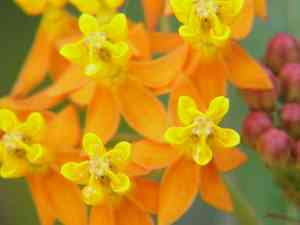
This climbing perennial is recognized for its spiraling stalks and distinctively shaped seed vessels. For anglepod, trimming ought to concentrate on managing its dimensions and eliminating any lifeless or compromised sections. The most suitable period for pruning is from late spring to early summer, aligning with its period of vigorous development. Address elongated stems and reduce dense regions to foster better air movement and light exposure, which can boost bloom production and regulate its robust character. Consistent trimming additionally aids in preserving the plant's intended form and averting excessive expansion within garden environments.
Advantages of Trimming Anglepod
Advantages of Trimming Anglepod
Trimming anglepod promotes robust development and helps maintain its desired form. By eliminating old or overgrown branches, air circulation improves, lowering disease risk and stimulating strong new shoots.
Optimal Period for Pruning Anglepod
Optimal Period for Pruning Anglepod
Pruning anglepod in spring allows for the removal of winter damage before new growth emerges, enabling the plant to direct its energy towards producing vigorous foliage and blooms. Early summer pruning assists in shaping the plant and can encourage a second flush of growth, while minimizing stress during the intense heat of late summer. During these periods, anglepod exhibits its most active growth, facilitating quick recovery from pruning, reducing the likelihood of pest infestation and disease entry through cuts, and aligning with its natural growth cycle to foster healthy development.
Required Tools for Pruning Anglepod
Hand Pruners
Perfect for trimming and shaping anglepod, as they offer precision and are easy to manage for cutting smaller stems.
Pruning Saws
Needed for cutting through thicker, woody stems of anglepod that hand pruners cannot manage, ensuring a clean cut without harming the plant.
Loppers
Provide extended reach and leverage for pruning thicker branches of anglepod, which might be beyond hand pruners' reach, and are crucial for maintaining the plant's structure and health.
Shears
Best for quickly and effectively trimming softer, non-woody growth of anglepod, making them ideal for shaping and controlling the plant's spread.
Gloves
Offer protection to the gardener's hands from thorns and plant sap when handling and pruning anglepod.
How to Prune Anglepod
Sanitize Tools
Before you start pruning anglepod, ensure all pruning implements are clean and sterilized to prevent the spread of ailments.
Remove Diseased Leaves
Carefully inspect anglepod for any ailing leaves. With your pruners, snip off these leaves at their base where they meet the stem, being careful not to tear the stem's bark.
Remove Withered Leaves
Identify and trim away withered or yellowed leaves from anglepod. Make cuts close to the stem to encourage healthier growth and enhance the plant's overall appearance.
Cut Diseased Stems
Examine anglepod for stems that display signs of disease, infection, or damage. Remove these stems by making a clean cut at a 45-degree angle just above a healthy leaf node or bud.
Clean Up
After pruning, gather and dispose of all the removed plant material away from anglepod to lessen the chance of disease and pests spreading.
Common Pruning Errors with Anglepod
Overpruning
Beginners often make the mistake of overpruning anglepod, removing too much foliage which can stress the plant and lead to poor growth and reduced flowering.
Incorrect Cutting Technique
A frequent error is making cuts too far from a node, or at the wrong angle, which can result in uneven growth or damage to anglepod. Cuts should be clean and just above a leaf node.
Ignoring Diseased Or Dead Material
Experienced gardeners understand the importance of regularly removing diseased or dead material, but novices may overlook this, which can compromise the plant's overall health.
Neglecting Tool Hygiene
Both novices and experienced gardeners can sometimes neglect the cleanliness of their tools, which can spread diseases to anglepod during pruning.
General Pruning Advice for Anglepod
Correct Cutting Tool
It's crucial to use sharp, clean shears or scissors to make precise cuts, reducing the risk of damage to anglepod.
Prune For Shape And Size
Prune anglepod to maintain the desired shape and size, focusing on cutting back leggy or overgrown stems to promote a bushier appearance.
Encourage Blooming
Strategic pruning of older stems encourages new growth and flowering. Remove only a few of the oldest stems each year to stimulate anglepod's vitality.
Monitor Plant Health
Regularly monitor anglepod for any signs of poor health. Pruning affected areas promptly can help maintain a healthy specimen.



