How to Prune Prayer plant?
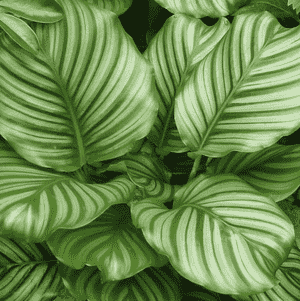
This tropical plant, featuring prominent oval foliage, necessitates careful trimming to preserve its form and foster its well-being. For prayer plant, remove discolored yellow or brown leaves at their origin and shorten elongated stems directly above leaf junctions. The perfect period is early spring or late winter, which encourages robust development as daylight hours lengthen. Trimming not only improves its aesthetic but also stimulates fresh, denser growth and wards off ailments by enhancing air movement.
What Are the Benefits of Pruning Prayer Plant?
What Are the Benefits of Pruning Prayer Plant?
Trimming prayer plant promotes vigorous development and maintains its compact shape. By eliminating old or overcrowded leaves, prayer plant can direct its energy towards new, healthy growth, leading to a more robust and attractive specimen.
What Is the Best Time for Pruning Prayer Plant?
What Is the Best Time for Pruning Prayer Plant?
In early spring, prayer plant enters a period of active development, making it an ideal time to trim or cut the plant. This ensures that any cuts will heal quickly, and new growth will be strong, resulting in a lush, healthy plant. Late winter pruning is advantageous as the plant is still dormant, which minimizes stress and prepares prayer plant for vigorous growth once warmer spring temperatures arrive. These seasons are optimal because they align with the plant's natural growth cycle, avoiding periods of blooming or significant active growth, which could be disrupted by pruning. Additionally, removing dead or yellowing leaves at the start of the growing season helps prevent disease and improves air circulation around the plant.
What Tools Do I Need to Prune Prayer Plant?
Precision Pruners
For prayer plant, its delicate foliage and stems demand precision, making fine-tip pruning shears or snips the perfect tool for the task. These pruners enable accurate cuts without harming nearby leaves.
Micro-Tip Blades
Prayer plant often has dense foliage where standard pruners cannot reach. Micro-tip snips or blades are designed for confined spaces, allowing targeted removal of dead or yellow leaves.
Disinfectant
To prevent the spread of disease when trimming prayer plant, it's crucial to use a disinfectant on the tools. Clean cuts reduce the risk of infection and encourage healthy regrowth.
Soft Gloves
While handling prayer plant, wearing soft gloves can safeguard both the plant and the gardener's hands, ensuring gentle manipulation and preventing potential damage to the foliage during pruning.
How to Prune Prayer Plant
Step1: Inspecting Plant for Pruning
Examine prayer plant for any yellow or damaged leaves, as these are the sections that will require trimming. Ensure you use clean, sharp pruning shears or scissors to avoid harming the healthy parts of the plant.
Step2: Pruning Yellow Leaves
To remove yellow leaves, locate the base of the unhealthy leaf where it connects to the main stem or a node. Make a clean cut at the leaf's base, being careful not to cut into the main stem or any adjacent healthy leaves.
Step3: Trimming Partially Damaged Leaves
For damaged leaves, assess the extent of the harm. If only a portion of the leaf is damaged, you can choose to trim away just the affected area, cutting along the natural leaf shape. If the entire leaf is damaged, remove it at the base as described for yellow leaves.
Step4: Inspecting Root Health and Pruning
If 'loudy roots' is a typo and should refer to 'cloudy roots' seen through a transparent pot, this might indicate root health issues. In this case, gently remove prayer plant from its pot and inspect the root system. Look for soft, brown roots as these can be indicative of rot.
Step5: Removing Unhealthy Roots
Carefully trim away the unhealthy roots, cutting back to healthy tissue. Use sterilized and sharp tools to avoid spreading disease amongst the roots. Dispose of the removed roots properly.
Step6: Repotting Post-Pruning
After trimming the roots, repot prayer plant in fresh, well-draining soil and clean the pot if reusing the same one. Ensure the pot has proper drainage holes to prevent future root issues.
Step7: Post-Pruning Watering Care
Water prayer plant sparingly after the root pruning, allowing the plant to recover without the stress of excessive moisture, which could exacerbate any potential root rot issues.
Step8: Cleaning Pruning Tools
Clean your pruning tools after use to prevent disease spread. Sanitize them with isopropyl alcohol or a 10% bleach solution to ensure they are ready for the next use.
Step9: Monitoring Plant Recovery
Monitor prayer plant's recovery after pruning, looking for new leaf growth and signs of a healthy root system like steady growth. Adjust care practices such as watering and fertilization according to the plant's needs.
Post-Pruning Care for Prayer Plant
Post-Pruning Care for Prayer Plant
Immediately after trimming prayer plant, water lightly to aid in recovery, avoiding waterlogging to prevent root rot. Maintain a humid environment, ideally between 60-70%, and provide indirect, bright light without exposing prayer plant to direct sunlight, which may cause stress. Keep temperatures between 65-75°F. Wait to fertilize for 4-6 weeks to reduce shock risk, then apply a balanced, liquid fertilizer monthly. Monitor prayer plant for yellowing leaves or wilting, signs of stress or infection. If detected, adjust care accordingly and isolate to prevent potential spread.
Common Pruning Mistakes with Prayer Plant
Excessive Pruning Stresses Plant
Trimming too much of prayer plant's foliage at once which can stress the plant and hinder its growth.
Using Dull or Contaminated Tools
Making cuts on the stems of prayer plant using dull or unclean pruning tools, increasing the risk of disease and damage to the plant.
Ignoring Plant's Natural Growth Pattern
Trimming prayer plant without considering the natural shape and growth pattern of the plant, which can result in an undesirable appearance and harm the plant's health.
Removing Healthy Leaves Hinders Photosynthesis
Removing healthy, vibrant leaves instead of just the dead or damaged foliage, which is essential for prayer plant's photosynthesis and overall vigor.
Common Pruning Tips for Prayer Plant
Sharp Tools for Clean Cuts
Use sharp, clean cutting tools to make precise cuts on prayer plant, avoiding jagged edges that could invite pests and disease.
Trim Only Damaged Foliage
Focus on removing only the yellow, brown, or damaged leaves at the base near the stem to maintain the health and aesthetics of prayer plant.
Proper Aftercare Boosts Recovery
After trimming, care for prayer plant by ensuring optimal aftercare, including proper watering, lighting, and feeding, to support recovery and new growth.
Conservative Pruning Enhances Plant Health
When in doubt about the extent of pruning needed, be conservative and prune less; prayer plant will benefit more from gradual pruning than from aggressive trimming.



